Motorised opening is simply a specification choice layered on top of a normal heritage unit, and it belongs to the same survey and fitting process described on our conservation rooflight installation page. The sections below cover how the motor works, why it matters most on high or awkward rooflights, and what a planning or conservation officer is likely to care about.
How the motor opens a heritage casement
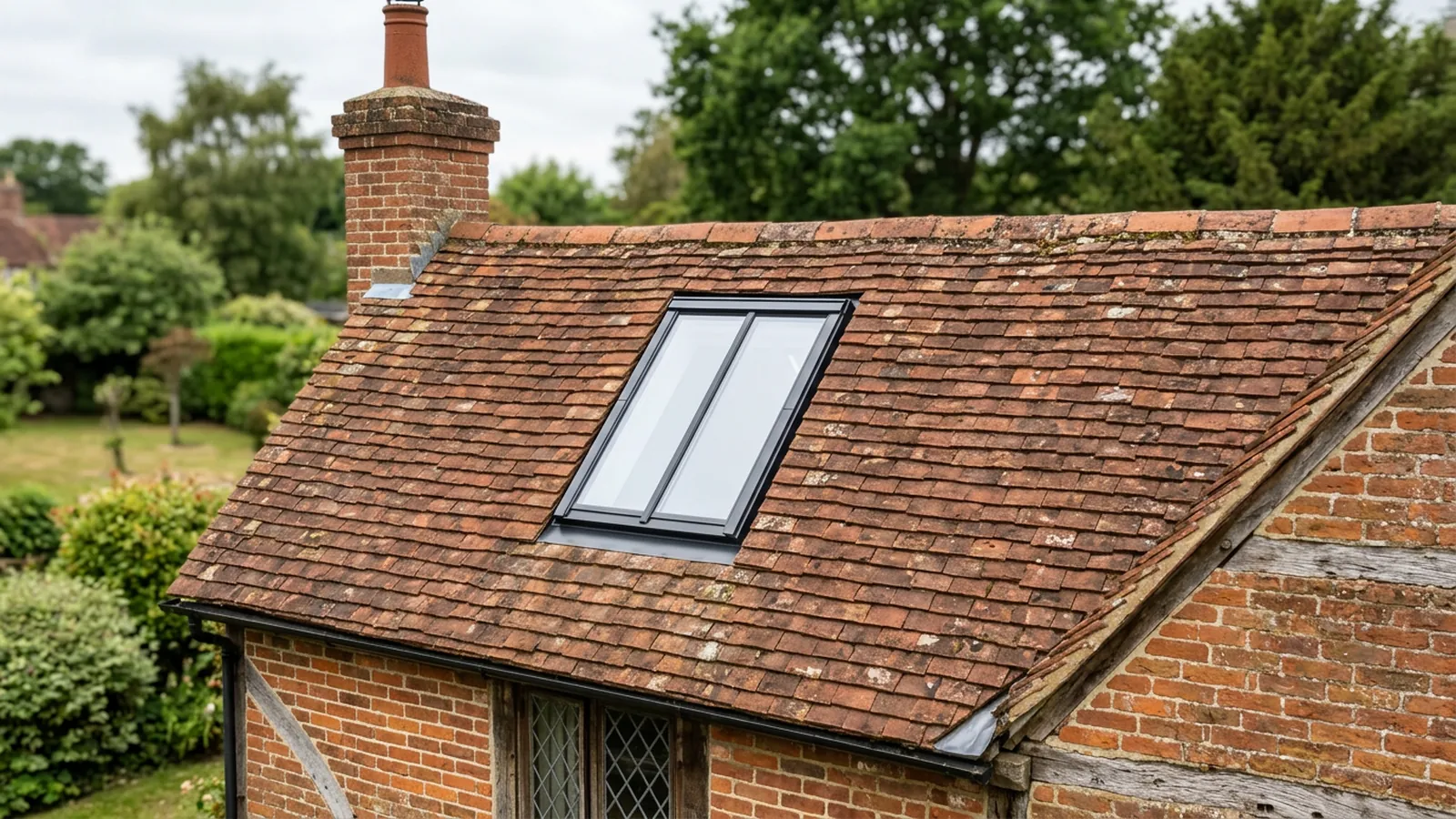
A conservation rooflight is a steel or aluminium frame with slim sightlines, a glazing bar down the middle and a casement that hinges open for air. On a manual unit you push it up with a stay or wind it with a pole. On an electric one, a chain actuator is screwed to the internal frame and linked to the casement. Press the switch and the chain pushes out, lifting the glass to its opening position; press again and it draws the casement back down onto its seals.
Because the conservation look depends on the outside profile staying low and plain, the actuator is chosen to live below the glass line, on the room side. What makes a unit qualify as a conservation rooflight in the first place is set out in our guide to what makes a rooflight a conservation rooflight, and the electric version keeps every one of those features.
Worth knowing: the motor controls ventilation opening only. A skylight that must serve as a means of escape follows a different set of rules about clear opening and reach, and a powered vent does not answer those on its own. Our answer on whether a conservation rooflight can be an escape window explains the difference.
How rooflights and roof windows open
- Centre-pivot sash, turns so the lower edge tips out and the top swings in, handy for cleaning from inside
- Pivot point, the hinge line across the middle of the sash
- Top-hung sash, swings outward clear of the opening for a wider view
- Top hinge, where the sash is hung from the head of the frame
- Fixed rooflight, glazing sealed to the upstand with no moving parts
- Electric opening rooflight, the glazed lid lifts from one edge for ventilation
- Motorised chain actuator, pushes the lid open and draws it closed
- Rain sensor, closes the rooflight automatically when it starts to rain
Where it earns its place
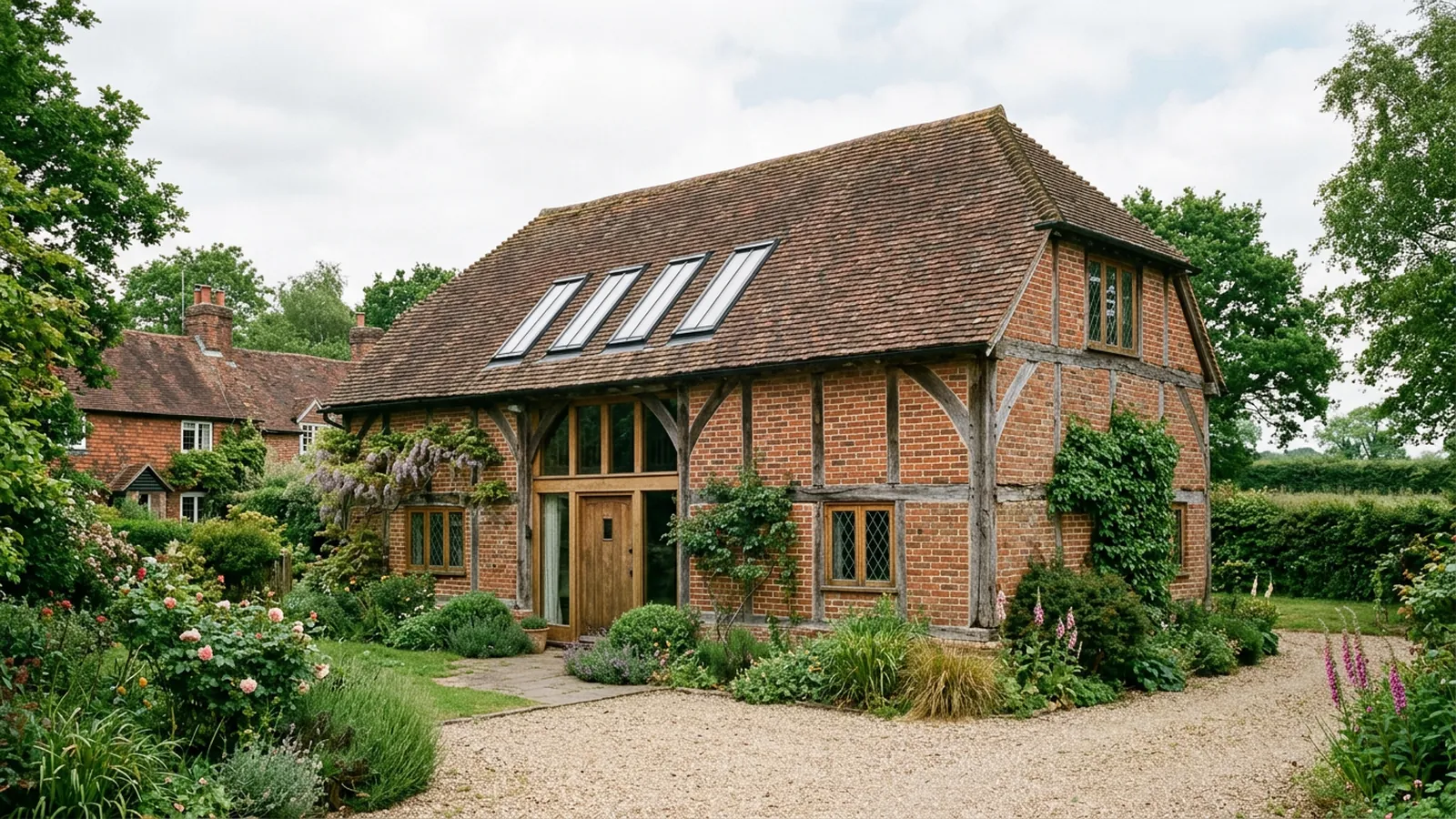
Power is a convenience, and it is worth paying for when reaching the casement by hand is the real obstacle. Old village houses in places like Odiham, Overton or Old Basing often have a rooflight set high over a stairwell, a vaulted bedroom open to the ridge, or a converted barn loft with a tall pitch. In those rooms the choice is usually between a long winding pole, a stepladder, or a motor.
| Situation | Manual stay or winder | Electric actuator |
|---|---|---|
| Within arm's reach, low ceiling | Simple and sufficient | Optional comfort only |
| High over a stair or vaulted room | Needs a pole or a ladder | Opened from a switch at floor level |
| Rooms often left empty | Relies on someone remembering to close it | Can close itself with a rain sensor fitted |
| Several rooflights in one slope | Each opened by hand | Can be grouped on one control |
If opening is new to you as a question, our shorter answer to do conservation rooflights open? covers the hinge styles before any motor is added.
Power, wiring and the rain sensor
An electric rooflight needs a supply. For a mains unit, an electrician runs a cable from a suitable circuit to a switch or control box, and that electrical work falls under Part P of the Building Regulations, so it is done and certified by a registered electrician. Plan the cable route early: in an older cut rafter roof with lath and plaster ceilings, the neatest path is chosen before the linings go back, not chased in afterwards.
A rain sensor is a small unit on the frame that tells the motor to shut when it detects water. For an unattended bedroom or a holiday let it is the main reason people choose power at all. Some makers also offer battery or solar operated versions, which avoid a new cable; whether one is offered depends on the range and size you pick, so we confirm it against the actual product rather than assume.
What planning and conservation officers look at
A rooflight in a conservation area is judged by what can be seen: its size, its position on the slope, how flush it sits, the colour of the frame and the glazing bar. An actuator on the room side does not alter any of those, so choosing power does not in itself change the external case. The same flush profile still matters, and our guide on flush fitting and the low profile is where that detail lives.
Listed buildings are a separate question. Listed building consent can cover internal works that affect the character of the building, so a new cable run through historic fabric, or a control fixed to an old wall, is something to raise with the local conservation officer before work starts. That conversation is about the interior, not the motor itself, and we can help you set out what is proposed.
Adding it later and living with it
Some ranges accept an actuator as a retrofit to a manual casement, provided the frame was made for it; others need to be ordered powered from the start. If you think you might want power in a few years, say so at survey and we will point you towards a frame that allows it, and consider leaving a drawn cable in place while the ceiling is open.
Electric units also pair naturally with an internal blind, which can be motorised on the same control. Blind options for heritage frames are covered in our answer to can a conservation rooflight have a blind?, and our wider electric and opening rooflight service explains controls and sensors across modern units too.
What the survey settles
At the survey we look at where the rooflight sits, how high it is, the rafter layout around it, how a cable could reach it, and whether the property is listed or in a conservation area. From that you get a written quote with the powered and manual options priced side by side, so the choice is yours on real figures. The fitting work carries a 10-year workmanship guarantee (it is not insurance backed), and where the structural side is notifiable to Building Control, we deal with that notification on your behalf.
If a heritage roof light you can open from the landing sounds like the answer, arrange a survey of your roof and we will check which frames and controls suit it.