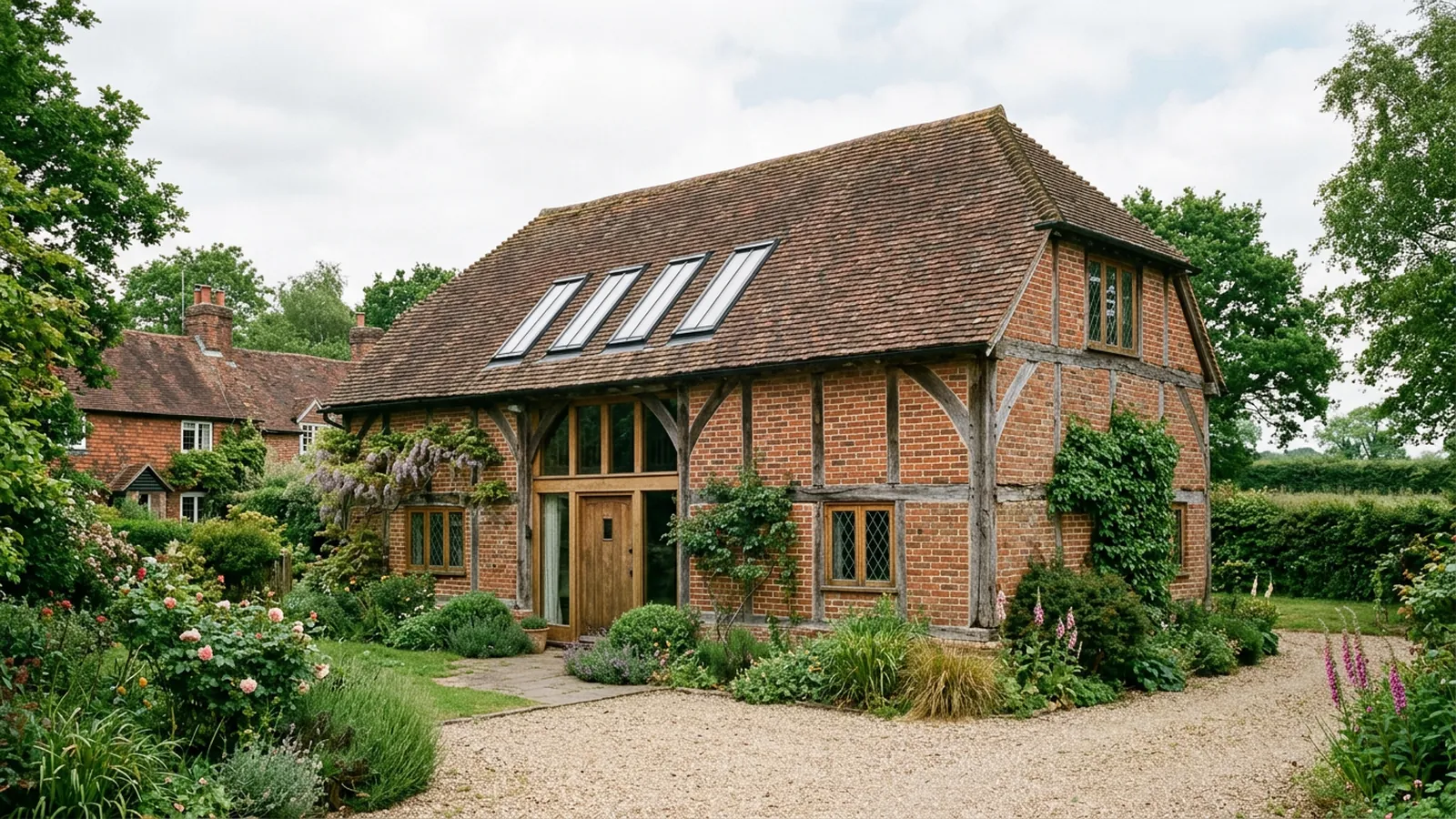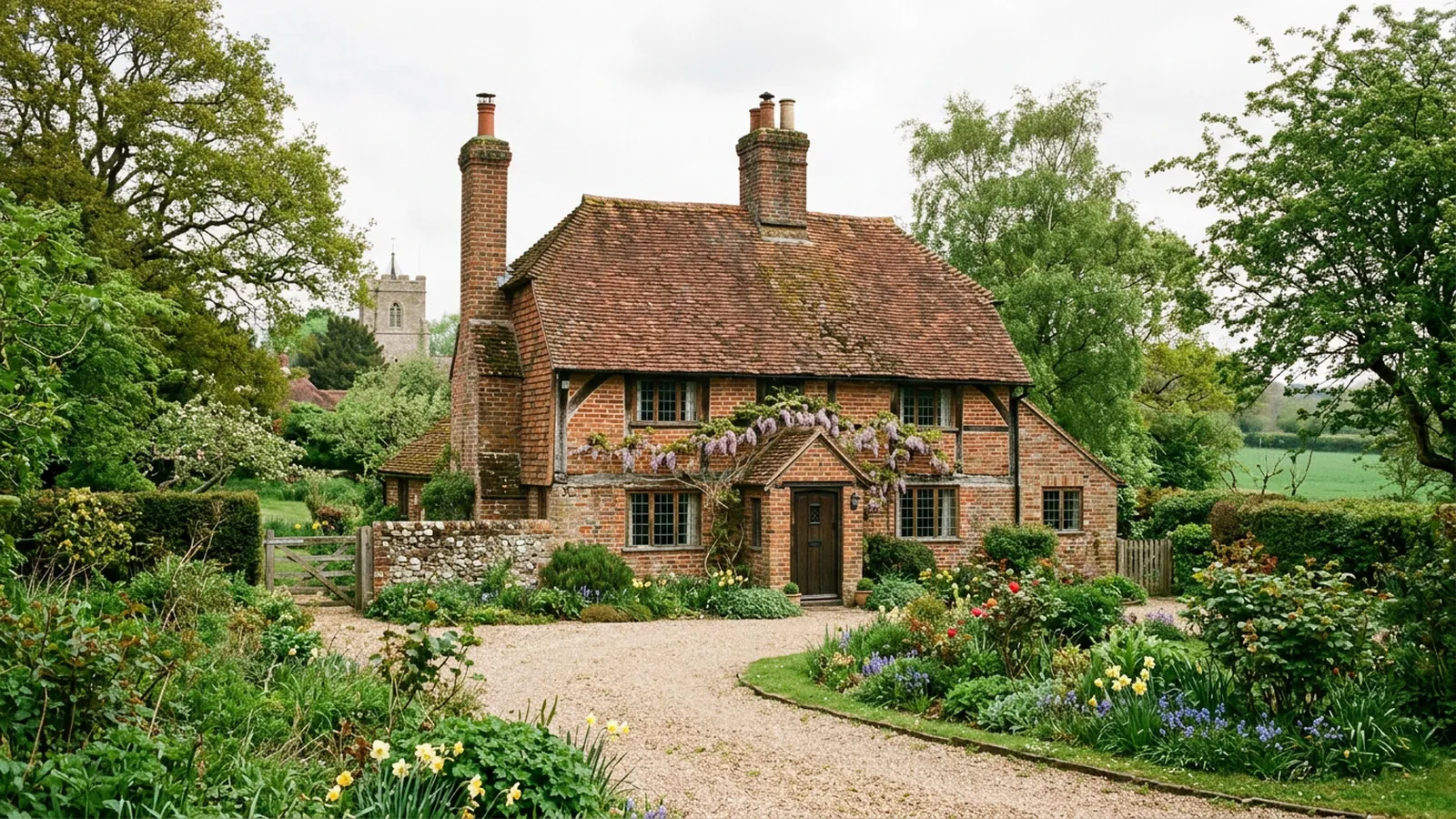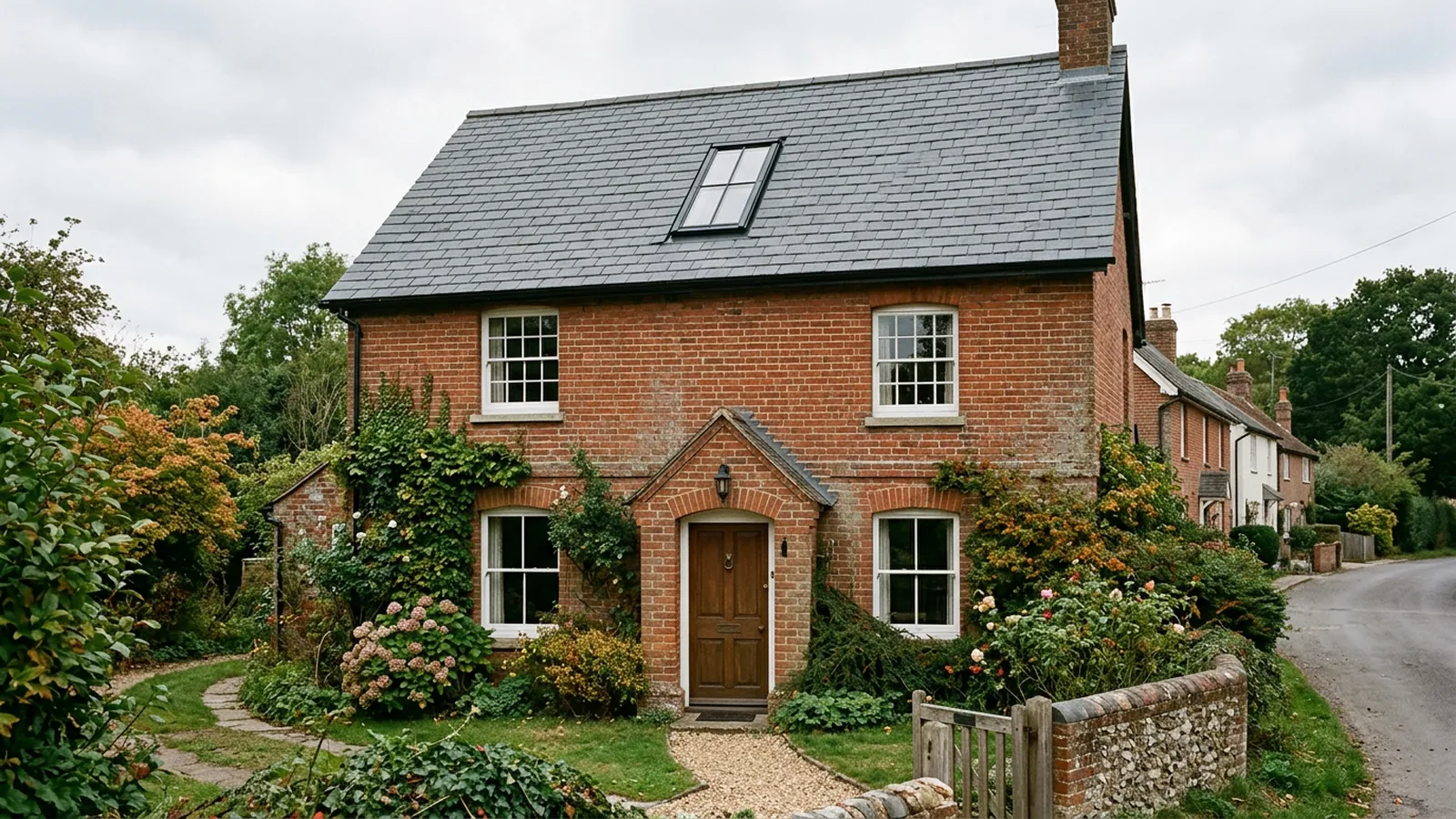
Heritage rooflight, conservation rooflight, conservation skylight, period rooflight: you will meet all of these while researching a roof in Old Basing, Overton or Odiham, and it is fair to wonder whether you are comparing like with like. Our conservation rooflight installation service treats the name as a starting point only, and this page explains why the specification matters more than the word.
Two names for one idea
Both terms grew out of the same need. Traditional roofs in historic villages and town centres once carried small cast iron rooflights: a narrow metal frame, a single glazing bar down the middle, sitting almost level with the tiles or slates. When modern double glazed units replaced them, planners and conservation officers wanted a product that kept that appearance while meeting today's thermal and weather standards.
Makers answered with ranges they called conservation rooflights, and some chose the word heritage for theirs, or for a particular line within a wider catalogue. The label is a trade and marketing choice. There is no separate British Standard, planning category or Building Regulations class that makes a heritage rooflight one thing and a conservation rooflight another.
The rule: treat the two words as interchangeable when you search or compare. The exception is inside a single manufacturer's catalogue, where heritage and conservation can be two different ranges with different frames, glazing or finishes, so read the specification sheet rather than the product name.
Conservation rooflight compared with a standard roof window
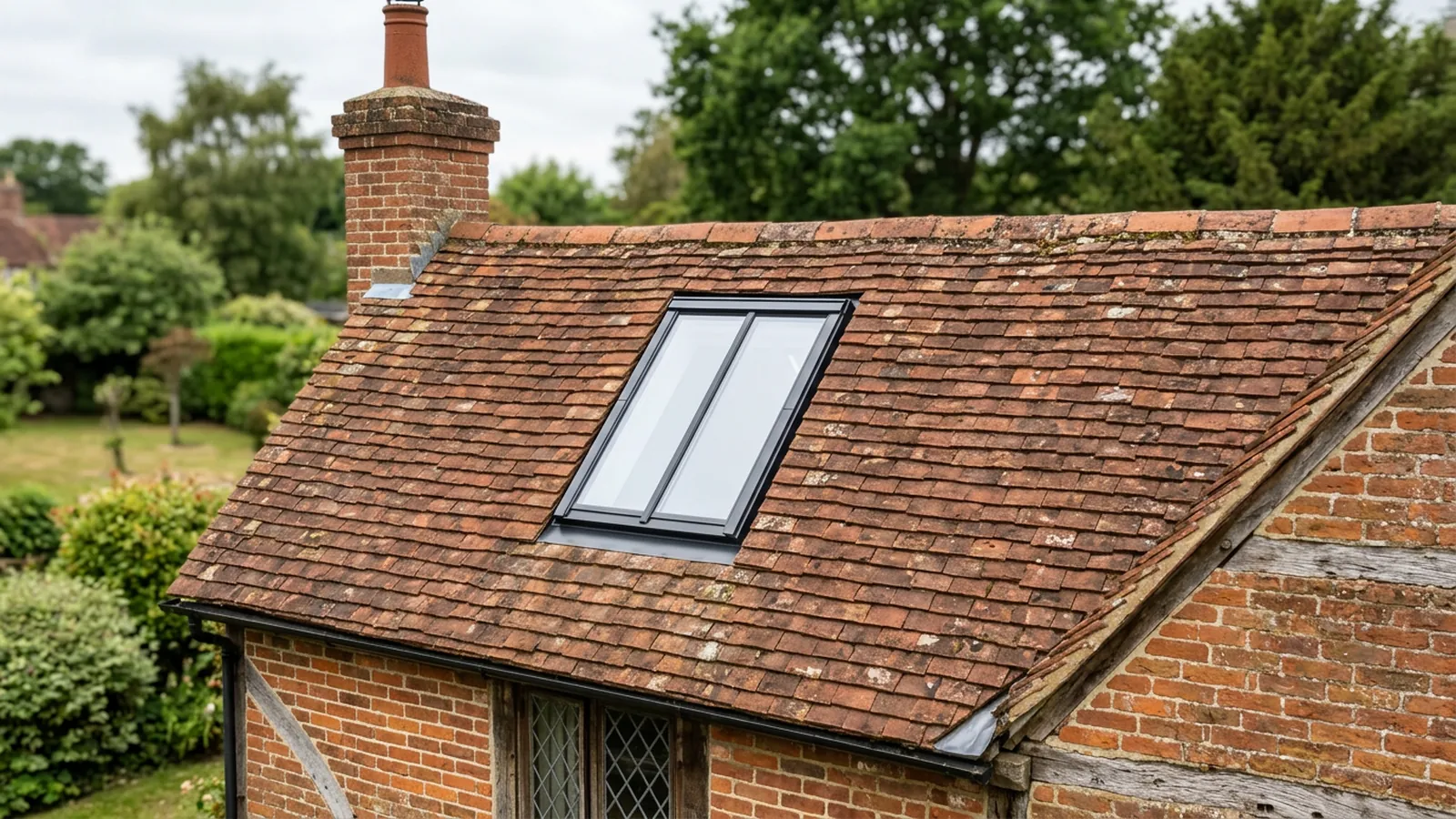
- Low profile: the glass sits close to flush with the roof covering
- Slim dark metal frame, closer to a traditional cast iron rooflight
- Central vertical glazing bar dividing the glass
- Roof covering of slate or clay tile laid on battens
- Flashing dressed into the covering around the frame
- Standard roof window: frame, sash and flashing stand proud of the roof line (roof line shown dashed in both sections)
What actually makes the difference
Whatever it is called, a rooflight earns its place on a sensitive roof through a handful of physical features. The fuller explanation lives in our guide to what makes a rooflight a conservation rooflight; the table below is the checklist to hold any heritage-labelled product against.
| Feature | What to look for | Why it matters on an old roof |
|---|---|---|
| Profile | Sits flush or nearly flush with the tiles or slates | A raised frame catches the light and reads as modern from the street |
| Glazing bar | A vertical central bar, structural or applied | It recalls the divided panes of the original cast iron pattern |
| Frame | Slim sightlines, usually steel or aluminium | A bulky frame shrinks the glass and draws the eye |
| Finish | A dark, matt colour suited to the covering | Bright or shiny frames stand out against clay tile and slate |
| Proportion | Taller than it is wide, modest in size | Keeps the roof slope reading as roof rather than glass |
A product can carry the heritage name and still fall short on one of these points, for example with a frame that stands proud of a thin slate roof. Equally, a plainly named conservation unit can tick every box. That is why we compare the drawing, not the badge.
Does the planning officer care which name is used?
No. A planning officer or conservation officer looks at the drawings, the product details and the photographs of the roof, then weighs how the finished window would sit in the conservation area or on the listed building. The word on the specification sheet carries no weight in that judgement. Our answer on what a planning officer looks at sets out the points they consider.
Whether you need to apply at all is a separate question, decided by where the house is, whether it is listed, whether an Article 4 direction applies and which roof slope the window faces. That is covered in do conservation rooflights need planning permission? The outcome of any application rests with the council, whether that is Basingstoke and Deane, Hart, Winchester or another of the authorities around here.
Call it heritage or call it conservation: the roof only sees the frame, the bar and the height.
Where the confusion causes real problems
The trouble starts when the name is taken as a promise. An application that describes a heritage rooflight without drawings or a product sheet gives the officer little to assess. A quote that says only "heritage skylight" leaves open the frame material, the glazing, the finish and whether the bar is real or applied.
There is also the opposite mistake: assuming a standard roof window cannot be acceptable because it lacks the right name. Some roof window makers offer conservation versions of their own ranges with a low installation kit and a glazing bar. How those compare is the subject of can you fit a VELUX in a conservation area?
- Ask for the specification sheet. Frame material, glazing unit, finish and how the bar is formed.
- Ask for the installation detail. How far the frame sits above the battens and what flashing it uses with your tile or slate.
- Match it to the roof. The size that fits your rafter spacing and the position on the slope, before any application is drawn up.
How we choose one for an old roof
On the cut rafter roofs of the villages and older town centres, we begin at the survey with the covering, the rafter spacing and where on the slope the window would be seen from. Only then do we pick a product, and we describe it in the quote by its features so you and the council see exactly what is proposed. Notifiable work goes to Building Control through us, and the fitting itself is covered by a 10-year workmanship guarantee, which is not insurance backed.
If your project is a standard estate house rather than a period roof, a conservation style unit may still suit it, but the wider choice sits under rooflight and skylight fitting across Basingstoke. For an older roof where the name on the box is the least of the questions, arrange a survey of the roof and we will measure it before suggesting anything.