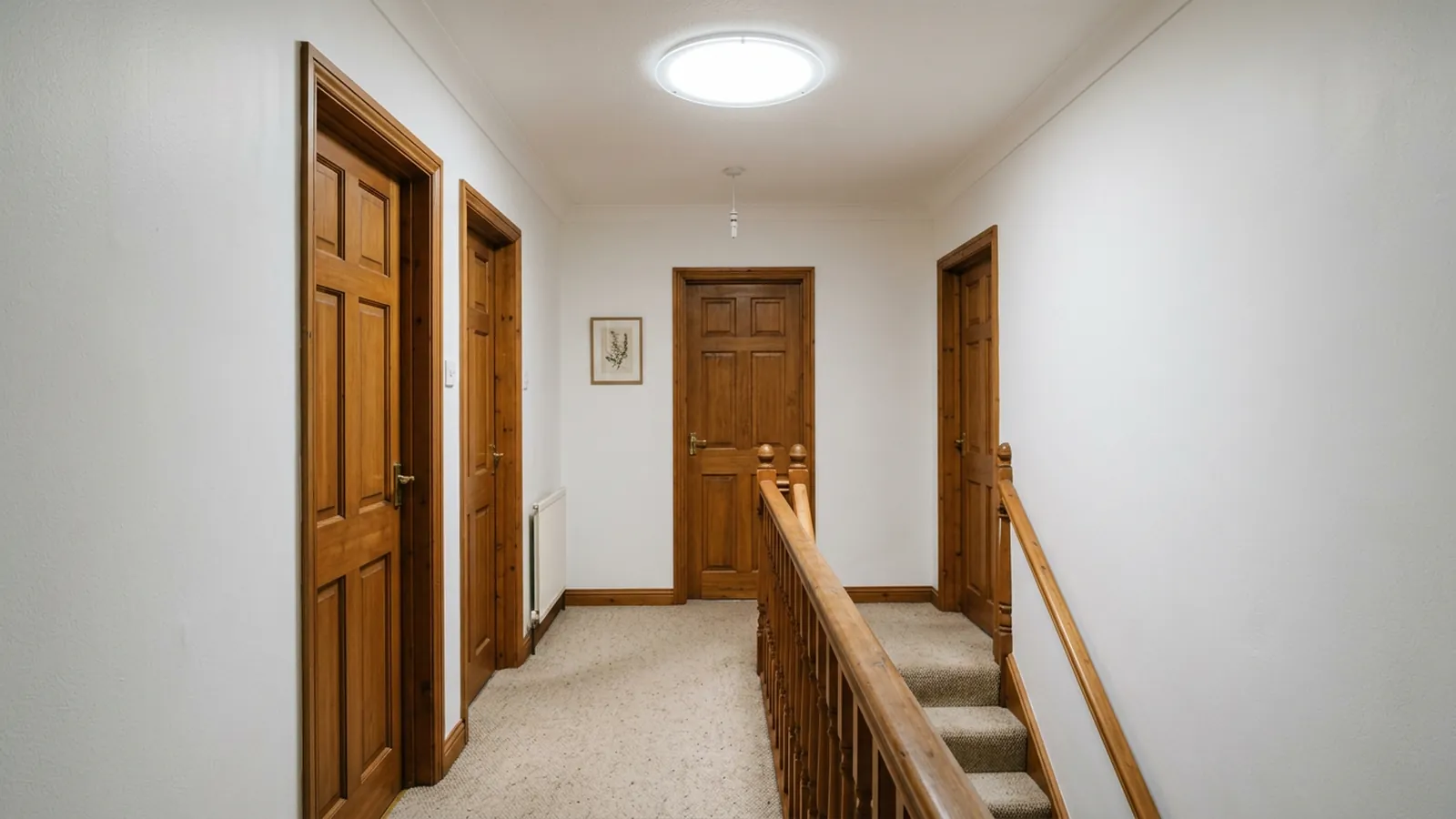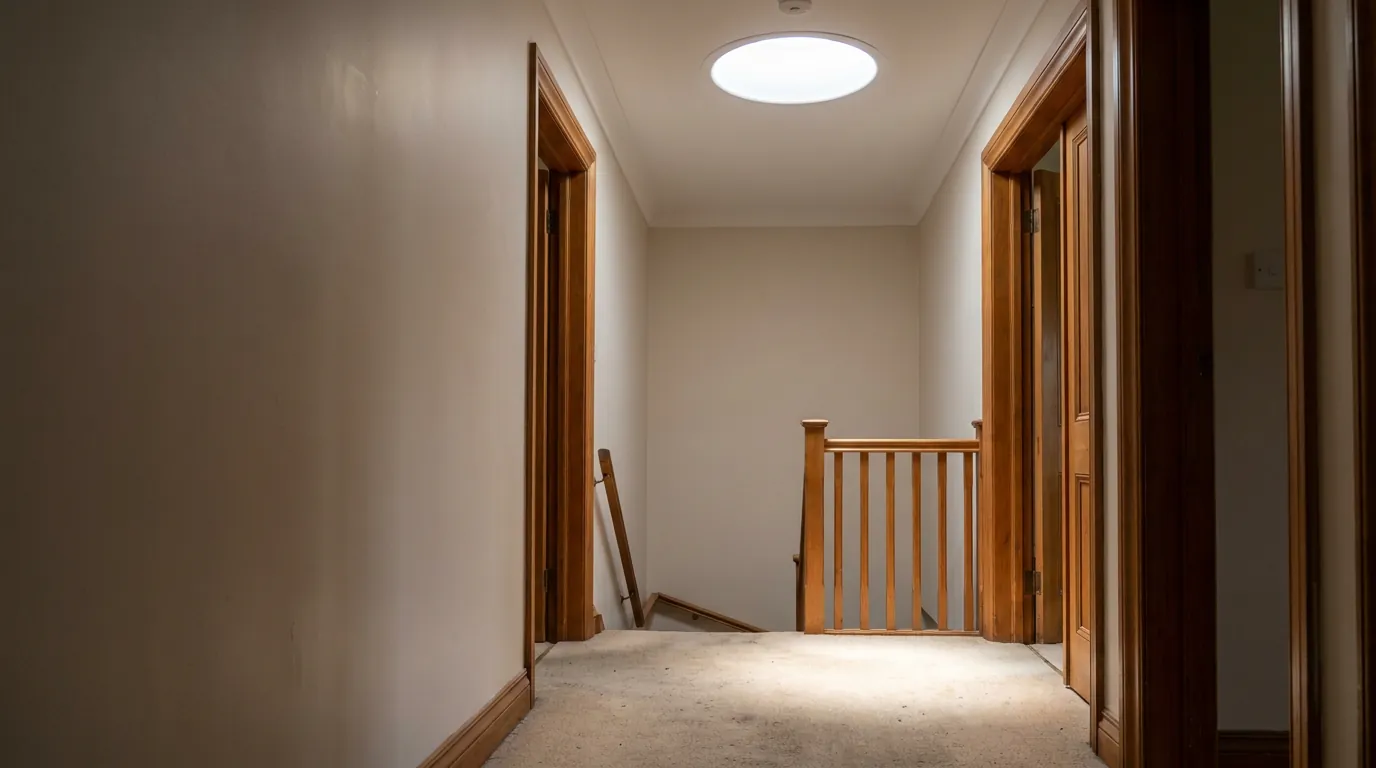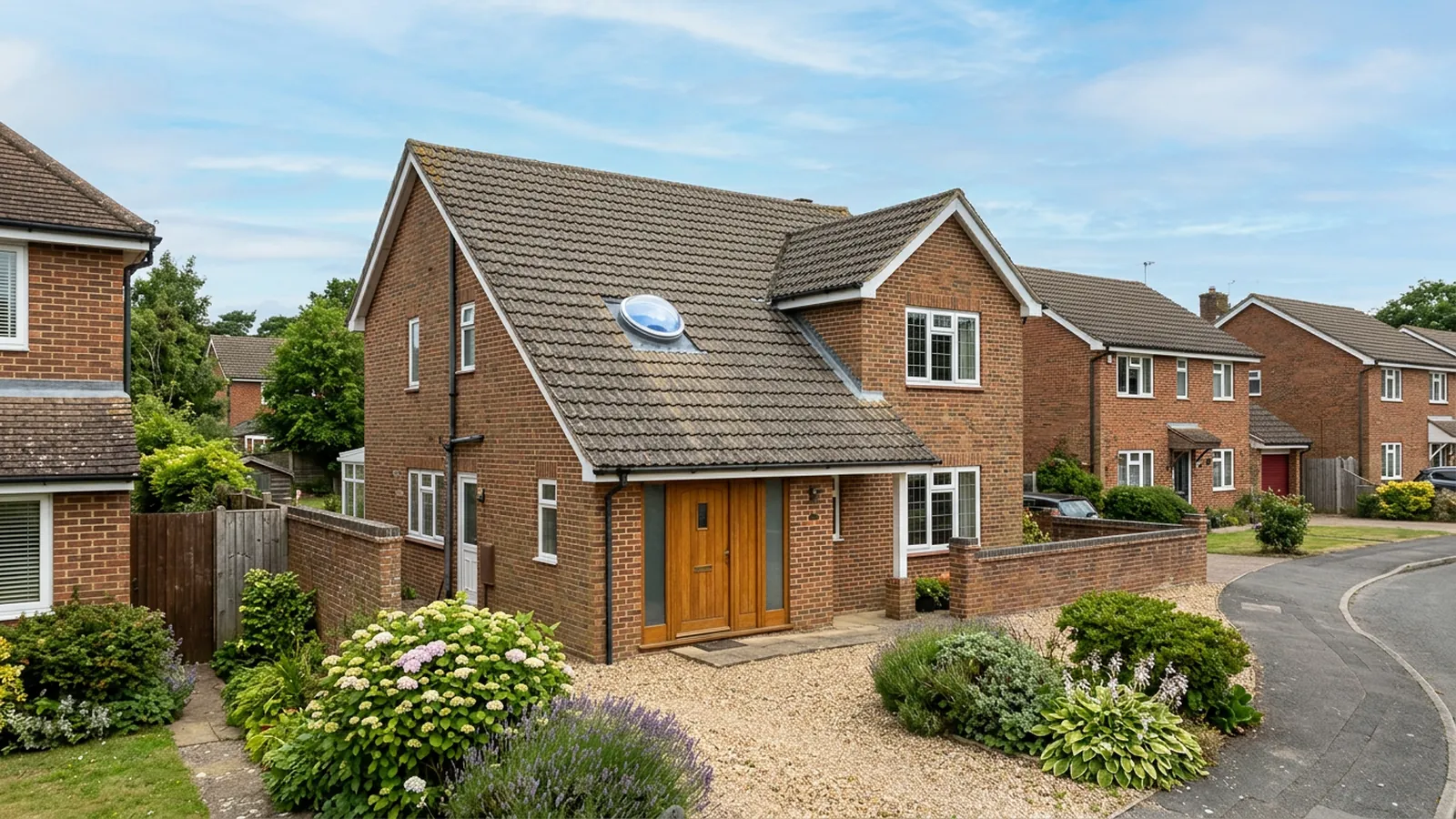
So if one quote says light pipe and another says sun tunnel, you are comparing like with like. What does differ is the specification inside the name: the tube type, its diameter, the length of the run and the fittings at each end. Our sun tunnel installation page sets out how we choose those for a given house; this answer untangles the vocabulary so the choice makes sense.
Where the different names come from
The trade has never settled on one word. Manufacturers name their ranges to stand apart, so one maker sells a sun tunnel, another a sun pipe, another a light tube. Architects and specifiers tend to write "tubular daylighting device", which is accurate and nobody says out loud. Homeowners searching online type whatever they heard first, and "light pipe" is a common version because it says exactly what the thing does: it pipes daylight from the roof down to a ceiling.
The American term "solar tube" crossed over with imported products, and "tubular skylight" is used by those who think of it as a small skylight on a long neck. Rooflight is the UK trade word for glazing set into a roof, and a sun tunnel is sometimes filed under that heading too, though its roof part is a sealed dome rather than a glazed panel you look through.
How a sun tunnel brings daylight down
- Clear dome on the roof slope, catching daylight from the sky
- Flashing, weathered into the tiles so rain runs round the dome
- Daylight reflecting off the mirror-finish lining all the way down
- Reflective tube, here a rigid straight run through the loft
- Loft insulation laid up to the tube, with an insulated sleeve round it to limit condensation
- Ceiling diffuser, spreading the light across the landing below
- Shown faint: angled elbows let the tube step round a truss or purlin, at some loss of light
The names side by side
| Name you might see | Who tends to use it | Same device? |
|---|---|---|
| Sun tunnel | Manufacturers, installers and homeowners in the UK | Yes, the reference term on this site |
| Light pipe or light tube | Homeowners describing what it does | Yes, when it means a roof dome and a ceiling diffuser |
| Sun pipe or solar tube | Particular product ranges and imported brands | Yes, the same principle under a brand name |
| Tubular skylight | Those who see it as a compact skylight | Yes, though it has no view out like a roof window |
| Tubular daylighting device | Architects, specifications and drawings | Yes, the formal description |
When "light pipe" means something else
The phrase does stretch beyond houses. In commercial buildings there are daylighting systems that gather sunlight on the roof and send it along fibre optic cables to fittings far from any outside wall. Those are sometimes called light pipes as well, but they are a different technology, built for large deep-plan buildings rather than a landing on a semi. In electronics, a light pipe is a tiny plastic guide that carries the glow of an indicator LED to the front of a device, which has nothing to do with daylight at all.
The rule: if the product has a dome on the roof, a reflective tube and a diffuser in the ceiling, a light pipe and a sun tunnel are the same thing. The exception is a fibre optic or powered system, which is a separate category and is priced and specified differently.
What actually varies between products
Because the names are interchangeable, the useful comparison is the parts. The tube is the big one. A rigid tube has a polished mirror finish and holds its shape, so light bounces along it with little loss; a flexible tube is ribbed and bends around obstacles, but every fold scatters some light. Our guide to rigid or flexible sun tunnel tubes goes through when each earns its place.
After the tube come the diameter, which sets how much sky the dome can gather, the length and number of bends in the run, the flashing that suits the roof covering, and the diffuser that spreads the light across the ceiling. The physics of how the reflections carry daylight down is explained in how a sun tunnel carries daylight into a room, and the honest picture of brightness is in how much light does a sun tunnel give?
Comparing two quotes that use different words
Put the names to one side and line the quotes up by what is in them.
- Tube type. Check whether each quote is for a rigid or a flexible tube, and in what diameter.
- Run. Look at the length allowed from roof to ceiling and whether elbows are included for any offset.
- Roof end. Confirm the flashing matches your covering, whether concrete interlocking tile, plain clay tile, slate or a flat roof.
- Ceiling end. See which diffuser is offered, and whether a ventilation or night light kit is part of it.
- Making good. Find out who finishes the ceiling around the diffuser and deals with the loft insulation around the tube.
Two quotes that match on those points are for the same job, whatever each one calls it.
How the name meets a Basingstoke roof
On the trussed rafter estates that ring the town, from Popley and Brighton Hill to Chineham and Hatch Warren, a sun tunnel has one quiet advantage over a larger opening: the tube is narrow enough to pass between trusses set at 600mm centres, so nothing structural is cut. That makes it a natural fit for a windowless bathroom or a dark landing in a house built to a repeated pattern. Where the run has to dodge a water tank or a purlin, the tube choice matters more than the label on the box.
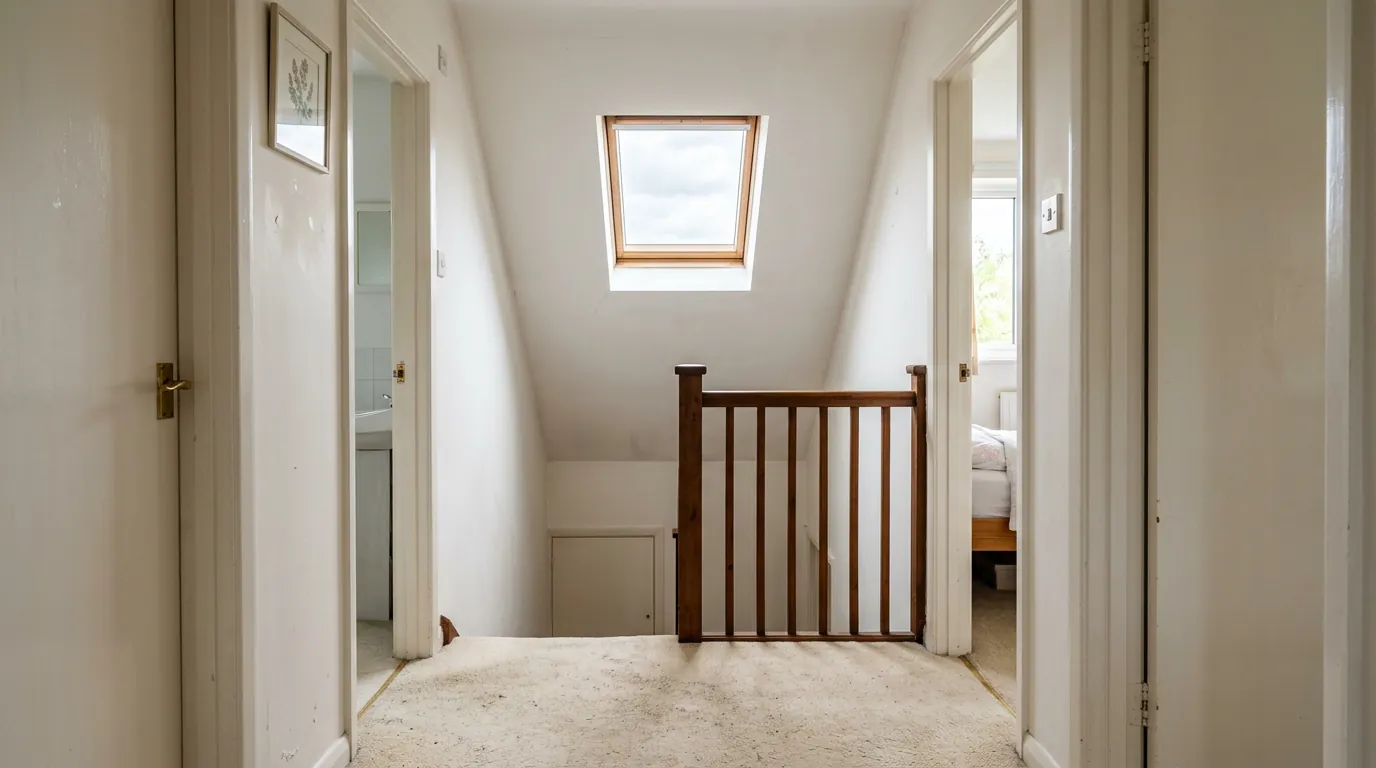
If you are weighing a light pipe against a proper roof window for the same space, are sun tunnels better than skylights? compares the two fairly, and do sun tunnels really work? answers the doubt that usually comes next. For the wider picture of every kind of daylight we fit in the area, start at our rooflight and skylight home page.
The practical answer
Call it whatever feels natural when you get in touch; we will know what you mean. What we need to settle is where the dome can sit on the roof slope, how the tube gets through the loft, and where the diffuser lands in the ceiling. We look at those on site before any quote is written, and fitting work is covered by a 10-year workmanship guarantee, which is not insurance backed. To find out what a light pipe would do for your hallway or bathroom, arrange a survey of the roof.