Value is decided by buyers and by the valuer their lender sends, never by the person who fitted the glazing, so treat any promised uplift with suspicion. What an installer can speak to is the part of the equation that sits in the roof: whether the lantern suits the room, whether it was fitted properly, and whether a buyer's solicitor will find the records they ask for. That is where our roof lantern installation work starts, and it is where this answer spends its words.
What a valuer actually looks at
A valuation compares your house with similar ones that have sold nearby, then adjusts for what is different. Floor area, the number of rooms and the general condition carry the weight. A lantern is not a line on that sheet in its own right. It is part of the extension it sits in, and it matters to the extent that it makes that extension a better room: brighter, more usable through the year, more like the open kitchen and family space buyers now look for.
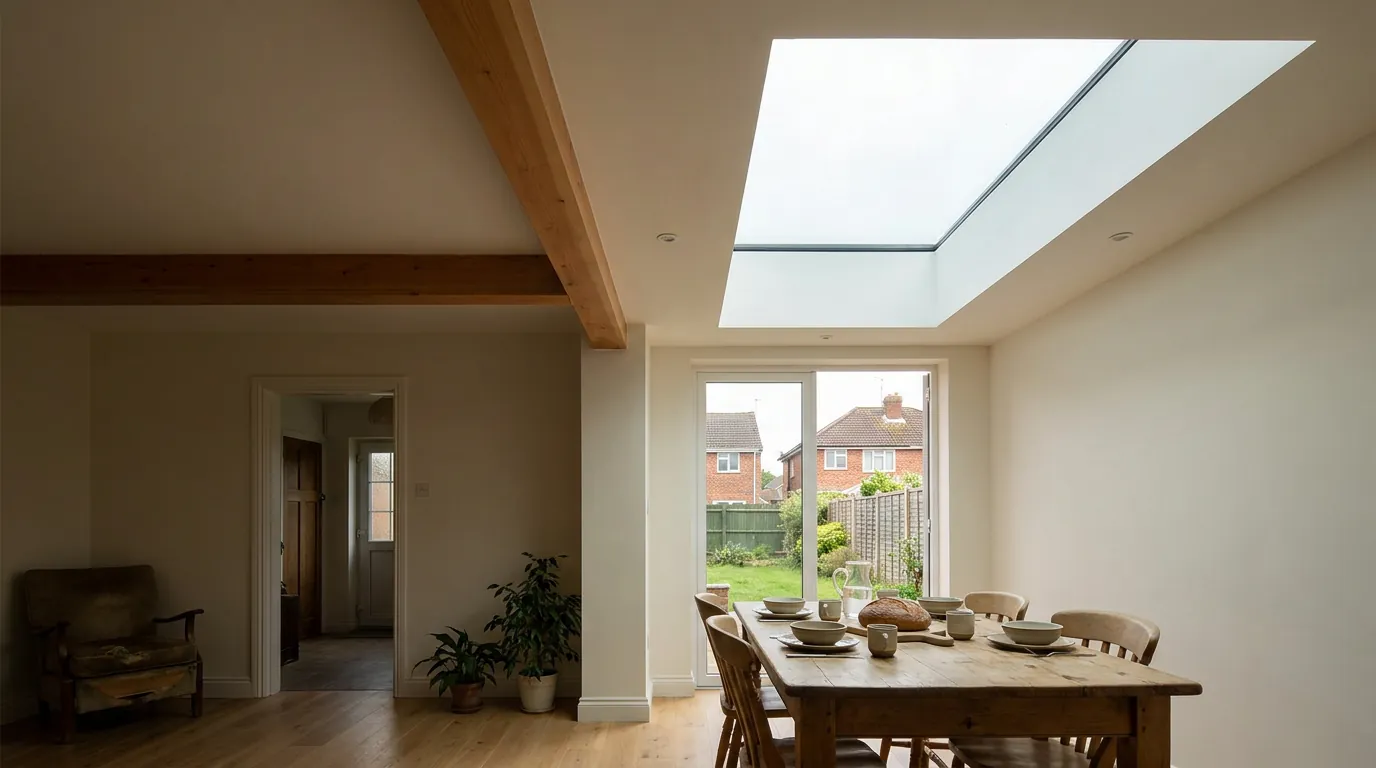
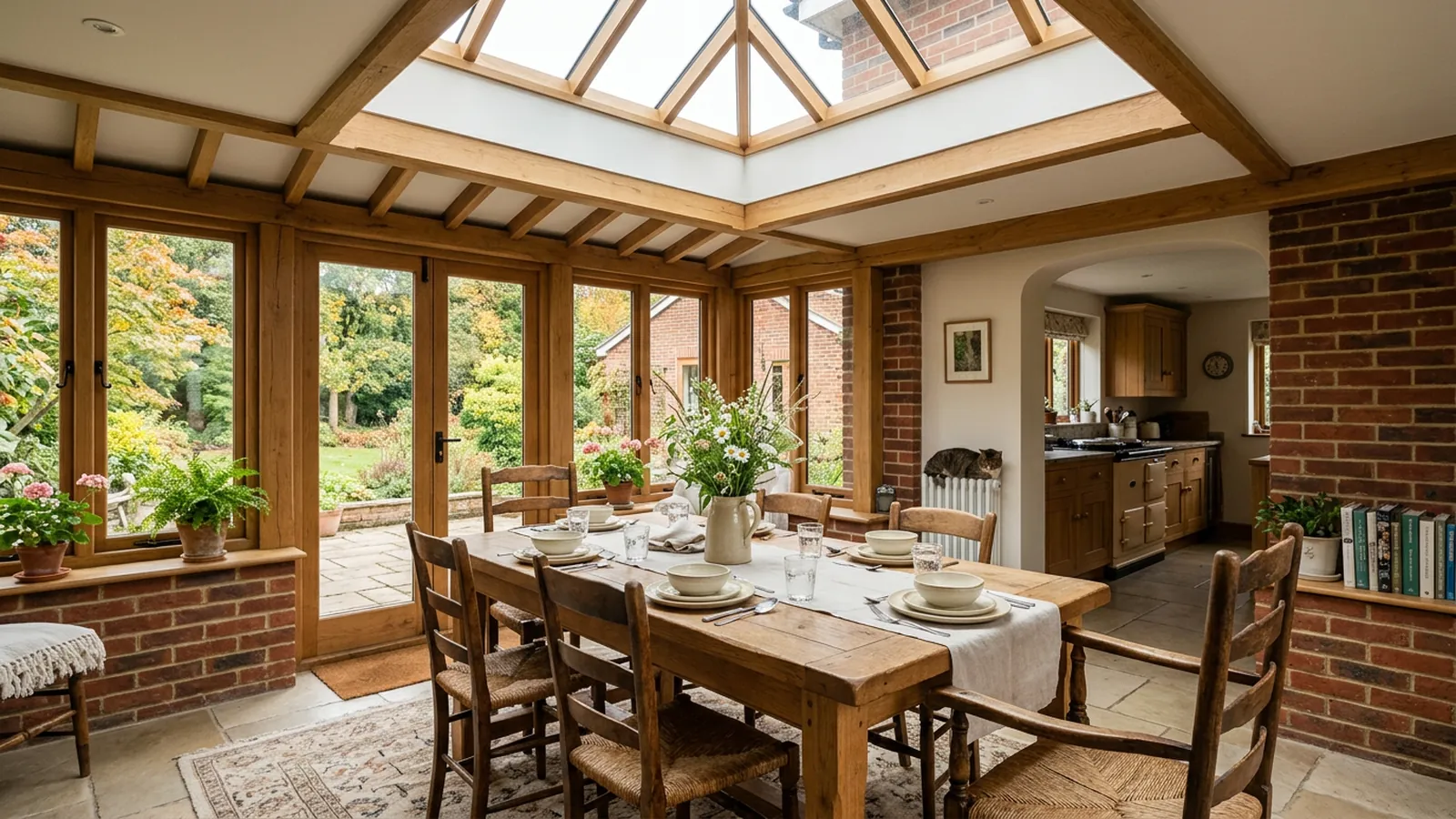
So the honest framing is this. A roof lantern rarely adds value on its own; it helps an extension earn the value its floor area suggests. A dark flat roof extension with one small window feels like a corridor with a sink. The same footprint with daylight falling into the middle of it feels like the best room in the house.
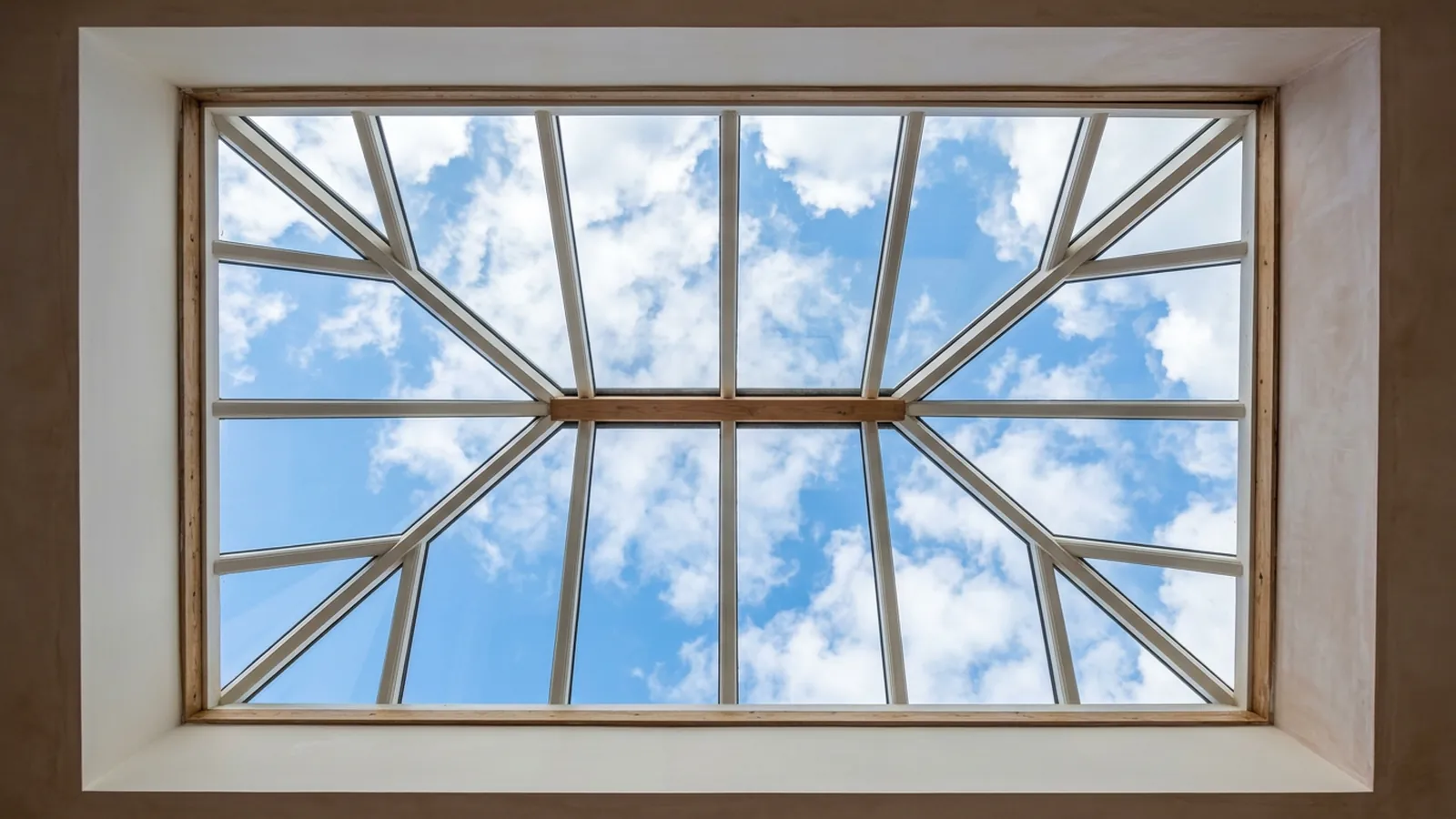
How a roof lantern sits on a flat roof
- Ridge, where the glazing bars meet at the top
- Hip bar, closing each sloped end of the lantern
- Glazing bar, holding the edges of the glass
- Glass panel, sealed double or triple glazed units
- Eaves or perimeter frame, which the whole lantern stands on
- Insulated kerb (upstand), raising the lantern clear of the roof
- Flat roof covering, dressed up the kerb and under the frame
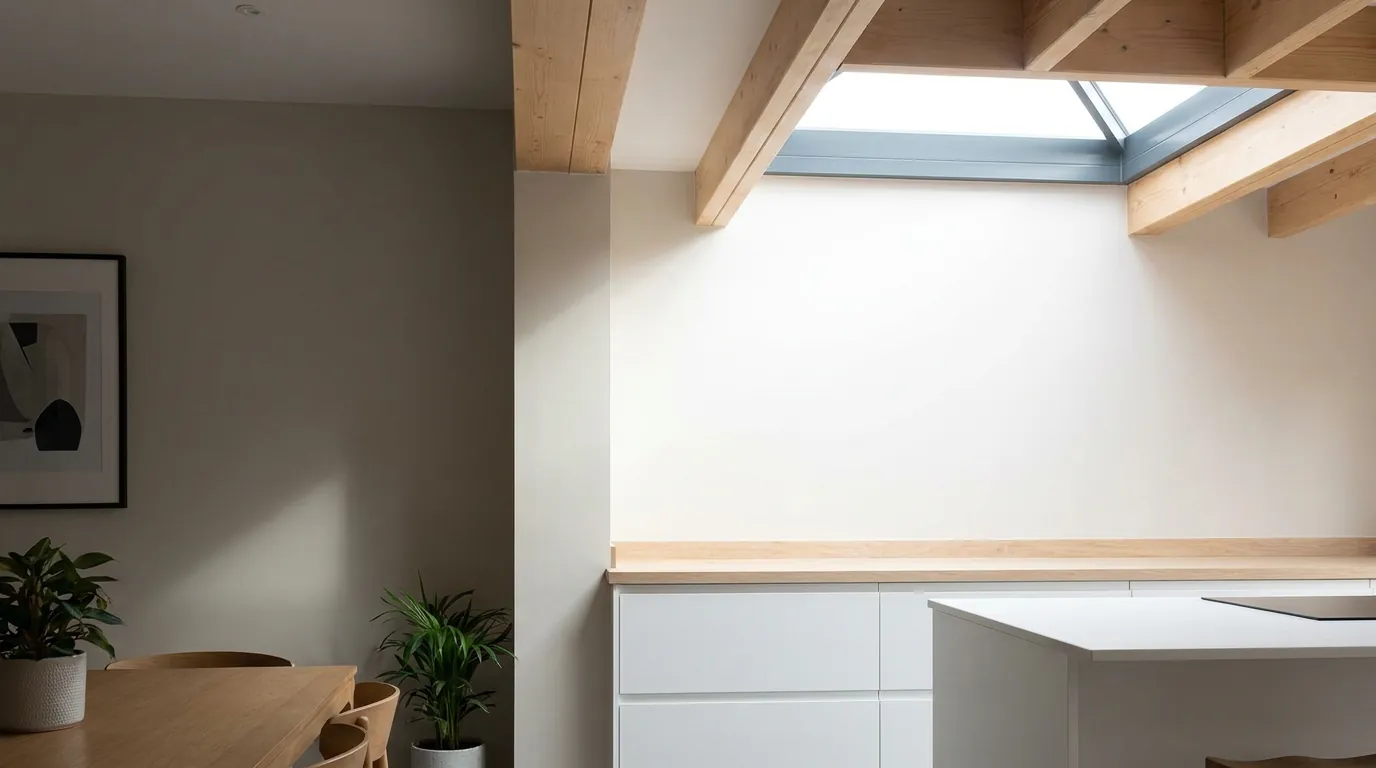
- Plastered reveal, lining the lantern well into the room below
Why it matters more on a Basingstoke estate
Much of the town was built to repeated house types, so a buyer viewing a Brighton Hill or Hatch Warren semi has often seen its twin two doors down. Layout and plot are fixed; what differs from one identical house to the next is what the owners did with the back of it. A well lit rear extension is one of the few things that sets one house apart from the others on its road.
On a trussed estate house the lantern usually sits in a single storey flat roof extension, not the main roof, so it never touches the trusses at all. That keeps the job contained and gives a buyer's surveyor less to question.
For the pros and cons of that particular setup, including where the lantern should sit on a shallow extension, see whether a roof lantern suits a single storey extension on an estate house.
Things that quietly take value away
A lantern can work against a sale as easily as for it. Buyers and their surveyors notice these:
| Detail | Helps a sale | Hurts a sale |
|---|---|---|
| Size | In proportion to the room below | Oversized, making the space glaring or hard to heat |
| Glazing | Clear sealed units, solar control where the roof faces south | Misted units or yellowed polycarbonate |
| Kerb and falls | Water runs away from the upstand | Ponding around the base, staining on the ceiling |
| Inside | Neat plastered lining, no drips on the glass | Condensation marks and mould on the reveals |
| Paperwork | Building Control completion record on file | Nothing to show for a notifiable job |
Heat is the one owners underestimate. A south facing lantern with ordinary glass can make a kitchen uncomfortable in July, and a buyer viewing on a warm afternoon will feel it. The detail is covered in whether roof lanterns make a room too hot in summer.
The paperwork a buyer's solicitor asks for
Cutting an opening into a roof and glazing it is structural and thermal work, so it normally needs to comply with the Building Regulations, and the conveyancing questions will ask about it. A buyer's solicitor wants to see that the work was notified and signed off. Where it was not, the sale can stall while indemnity insurance or a retrospective application is sorted out, and that friction costs more goodwill than any lantern earns.
On our installations the notification is part of the job and the completion record comes to you at the end, alongside the 10-year workmanship guarantee, which is not insurance backed. Keep both with the house deeds. The rules themselves are set out in whether roof lanterns need Building Regulations approval.
Getting the sizing right for resale, not just for you
The lantern that sells a room is the one that lights the whole of it evenly. Too small and it reads as an afterthought; too large and the space feels like a conservatory, with the heat and glare that brings. The right size comes from the room's floor area, its depth from the house and where the kitchen or seating sits, which is why we size from the room up rather than filling the roof. Sizing a roof lantern to the room below works through that in full.
- Start with the room. Decide what the space is for and where people will spend time in it.
- Check the roof. Joist direction, the structure of the flat roof and the room for a proper kerb decide what can go in.
- Choose the glass. Orientation decides whether solar control glass is worth having.
- Keep the records. Notification, completion and guarantee go in the house file for the day you sell.
Is it worth doing just before selling?
As a pre-sale project, it rarely pays for itself on its own. The cost and upheaval of opening a roof are real, and a buyer is paying for the room, not the glazing. Where a lantern makes sense is when you will live with it for a while, or where an existing extension is dark enough that it genuinely undersells the house. Replacing a tired polycarbonate dome or lantern with a glazed one can be a sensible middle ground, because the opening already exists.
If you are weighing the outlay against the likely return, the factors that decide the price are laid out in how much a roof lantern costs to install. For flat rooflights, roof windows and every other skylight we fit, the rooflight and skylight installation overview for Basingstoke is the place to compare.
Thinking of a lantern for your extension? Arrange a survey and we will measure the room and the roof, then tell you plainly which lantern suits it.