That is the honest shape of it, and it is worth pinning down before you compare quotes, because a like-for-like comparison is harder than it looks. Our sun tunnel installation page sets out the whole job; this answer stays on the money question: where the costs sit in each option, why the tube normally comes out lower, and the cases where it does not.
We give no price list here, because the figure depends on the roof and the room. What we can show is which parts of each job cost money, so a written quote makes sense when it arrives.
Where the money goes in a sun tunnel
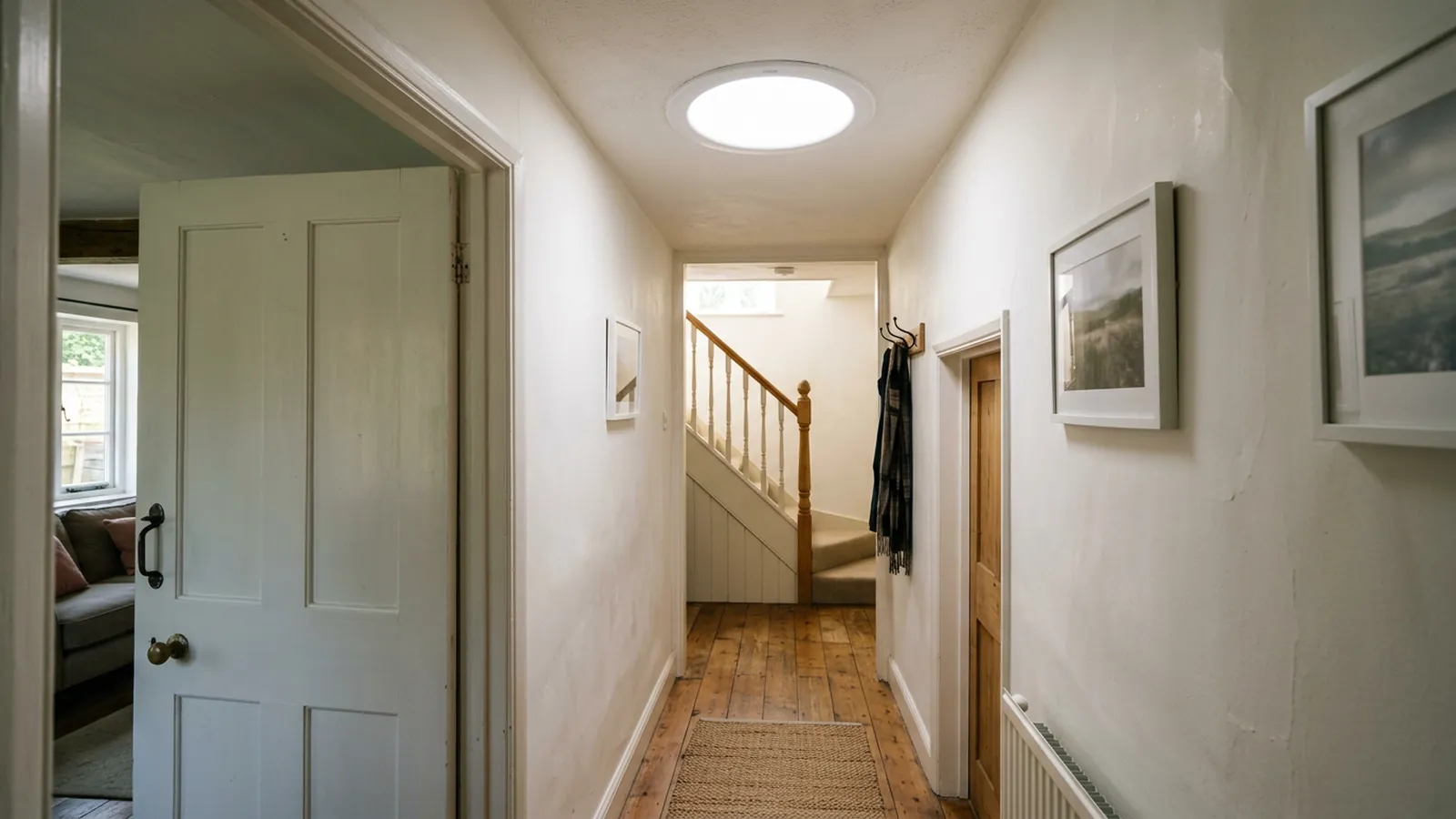
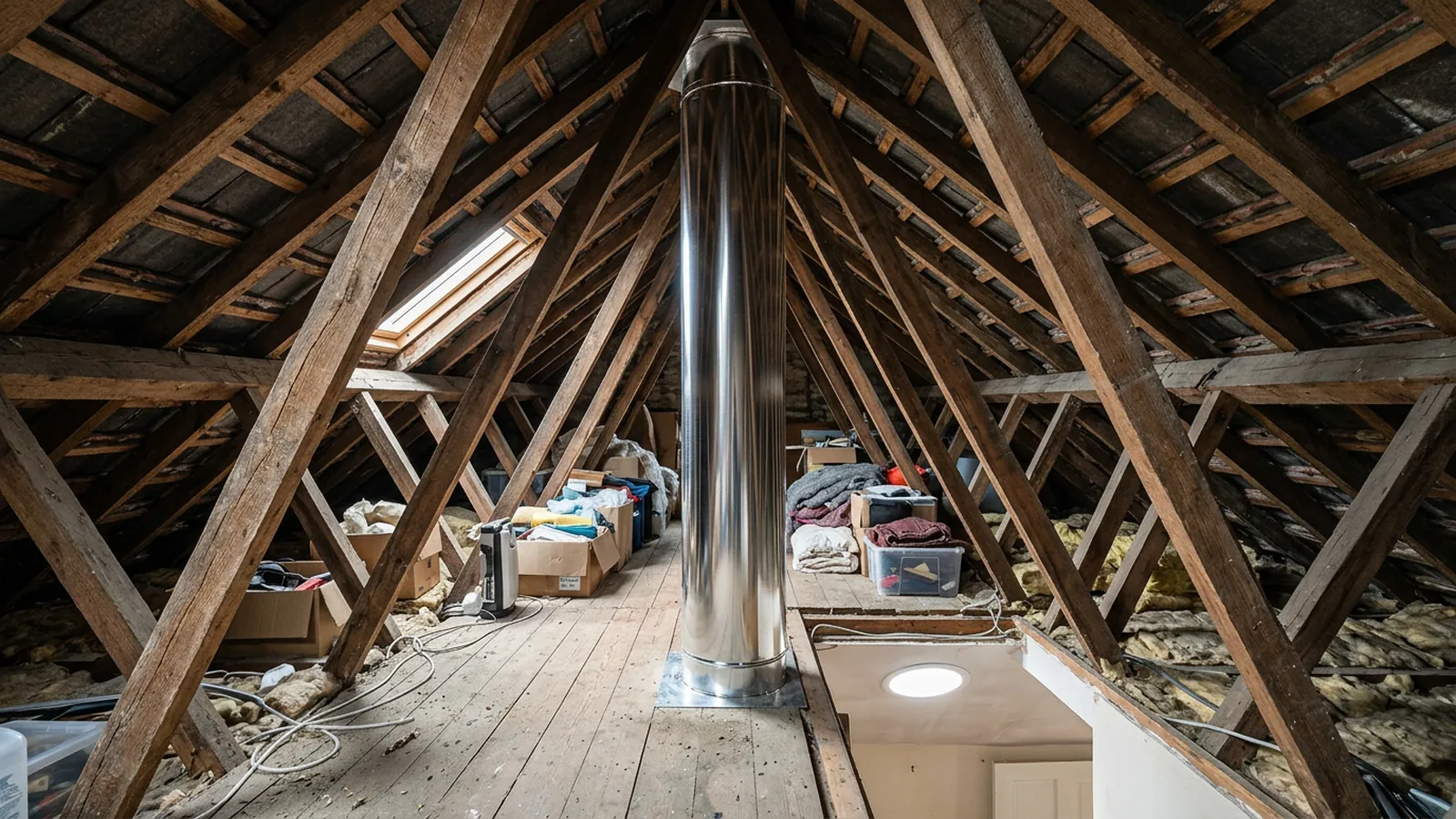
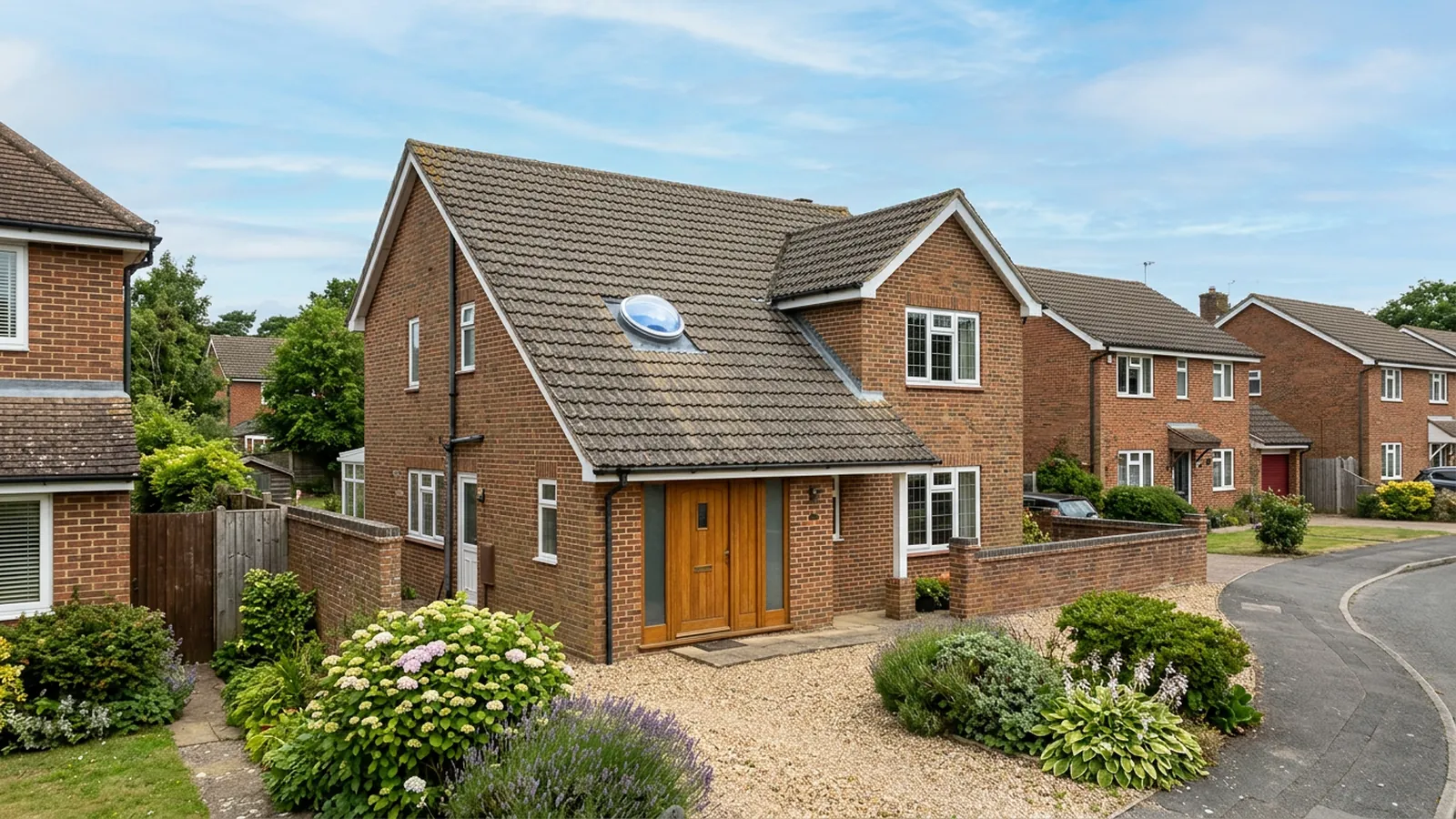
A sun tunnel is a short list of parts: a clear dome and flashing on the roof, a reflective tube through the loft, and a diffuser in the ceiling. The labour follows the same short list. On a pitched roof, a few tiles or slates come off, the flashing goes in, and the tube runs down to a neat circular hole cut in the ceiling of the hallway, bathroom or landing below.
- Roof opening. Small and round, so it rarely touches the structure. On a trussed estate roof the common domestic diameters pass between trusses at 600mm centres.
- The tube run. A straight, short rigid run is the simplest. Longer runs, bends and extra length add parts and time.
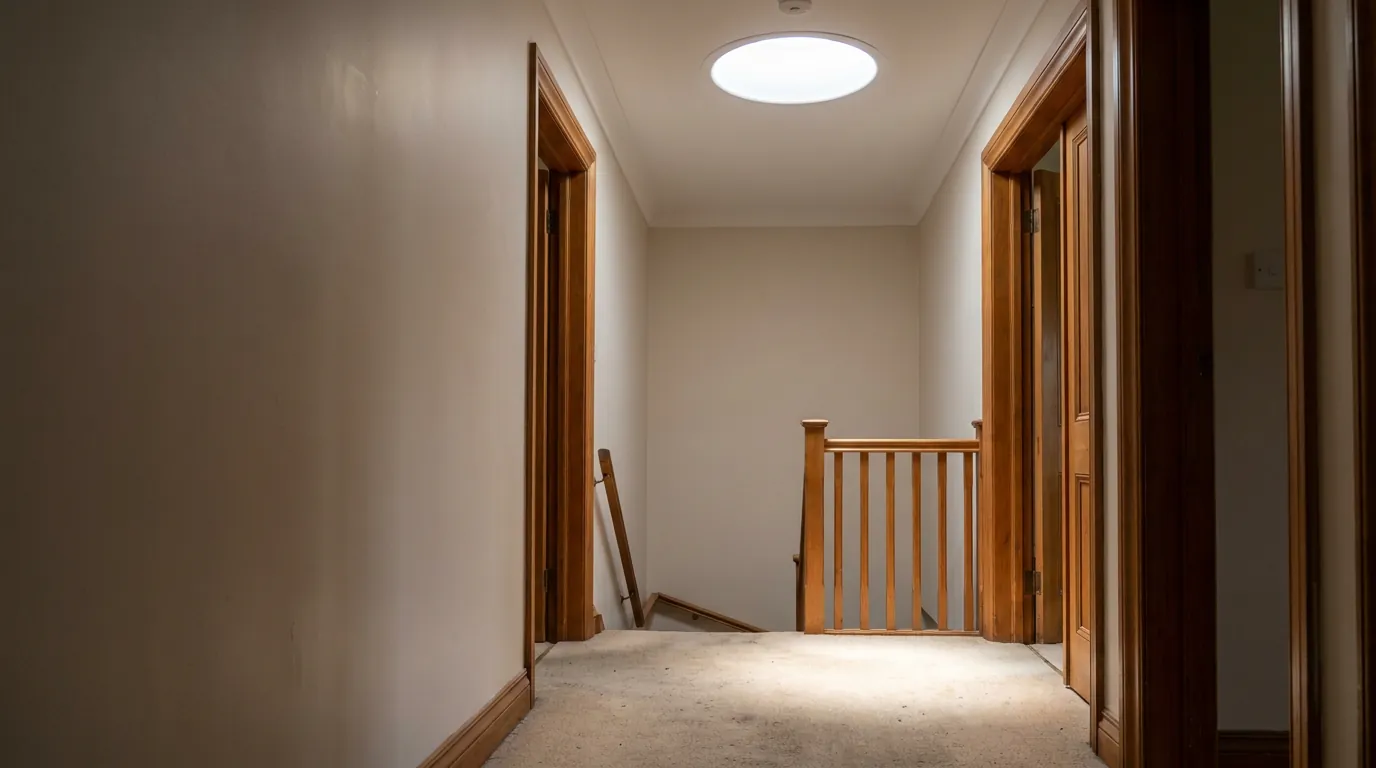
- The ceiling. One cut, one diffuser ring. There is no reveal to line, plaster or paint.
- Extras. A ventilation or night light kit, or extra insulation around the tube in a cold loft, each add to the bill.
How the tube choice and the route through the loft change the job is covered in rigid or flexible sun tunnel tubes.
How a sun tunnel brings daylight down
- Clear dome on the roof slope, catching daylight from the sky
- Flashing, weathered into the tiles so rain runs round the dome
- Daylight reflecting off the mirror-finish lining all the way down
- Reflective tube, here a rigid straight run through the loft
- Loft insulation laid up to the tube, with an insulated sleeve round it to limit condensation
- Ceiling diffuser, spreading the light across the landing below
- Shown faint: angled elbows let the tube step round a truss or purlin, at some loss of light
Where the money goes in a skylight
A roof window or rooflight is a bigger piece of building work. The opening in the roof is larger, the frame needs a flashing kit matched to the tile or slate, and inside there is a lined, insulated and plastered reveal that then needs decorating. In a room with a flat ceiling below a loft, a skylight also needs a light well: a boxed shaft through the loft, built and finished like a small room of its own. That light well is often the single biggest difference in labour between the two options.
Then there is the structure. A window that fits between the trusses keeps things simple, but a wider one means a designed trimming scheme, and that adds design, timber and Building Control work. Blinds, electric opening and higher glazing specifications each add further. None of this is waste: it is what buys the view, the ventilation and the much larger amount of daylight.
The two jobs side by side
| Cost driver | Sun tunnel | Skylight or roof window |
|---|---|---|
| Roof opening | Small and round, between the timbers | Larger; may need designed trimming if wider than the truss gap |
| Through the loft | A tube, rigid or flexible | A framed, boarded and insulated light well where the ceiling is flat |
| Inside finish | A ceiling cut and a diffuser | Linings, plastering and decorating round the reveal |
| Options | Ventilation or night light kit | Blinds, electric or remote opening, glazing upgrades |
| Access | Usually worked from the loft and roof edge | Depends on the roof; some jobs need scaffold or a tower |
| What you get | Daylight only, in a fixed pool | More daylight, a view of the sky and fresh air |
When a skylight costs about the same, or less
The gap narrows, and can close, in a few situations. If the room is directly under the roof slope, as in a converted loft or a vaulted extension, a roof window needs no light well at all, and a small one between two trusses is a modest job. A flat roof over a single-storey kitchen extension is another case: a fixed flat rooflight on a kerb can be a short job, with no loft to cross.
It also works the other way. A sun tunnel that has to travel a long way, bend round a tank or pass through a room above costs more than a short straight tube, and several tubes to light one big room add up. Our answer on how many sun tunnels a room needs helps with that count.
The rule: a sun tunnel is normally the lower cost where a room sits below a loft, away from the roof slope. The exception: where the ceiling already follows the rafters, a small skylight may cost little more and gives far more back.
Cheaper is not the same as better value
Price per job misleads if the two options light the room differently. A tube is sized to bring a pool of daylight into a small, windowless space: an en suite, a dark landing, the middle of a hallway in a 1970s estate semi. It suits those spaces very well. In a kitchen or a loft bedroom, where you want to see the sky, open something on a warm day and have light across the whole room, a skylight is doing a different job, and a lower bill for a tube buys less of what you wanted.
If the choice is still open, sun tunnel or roof window sets out which space suits which, and are sun tunnels better than skylights? weighs the wider trade-off beyond cost.
Paperwork and time, which also cost
Time on site is part of the price. A straightforward tube is commonly a short visit, while a roof window with a light well and plastering takes longer and involves drying and decorating time. For timings, see how long a sun tunnel takes to fit. Whether either job is notifiable depends on what is being altered, and where it is, we deal with Building Control for you; do sun tunnels need Building Regulations approval? explains when that applies.
Both options carry the same 10-year workmanship guarantee from us, which is not insurance backed, so the choice rests on the room, not on the cover. We look at the roof, the loft and the ceiling before quoting, then give a written figure for the option that suits, and for the other one too if you want to compare. To get both costed on your own house, ask for a survey visit.