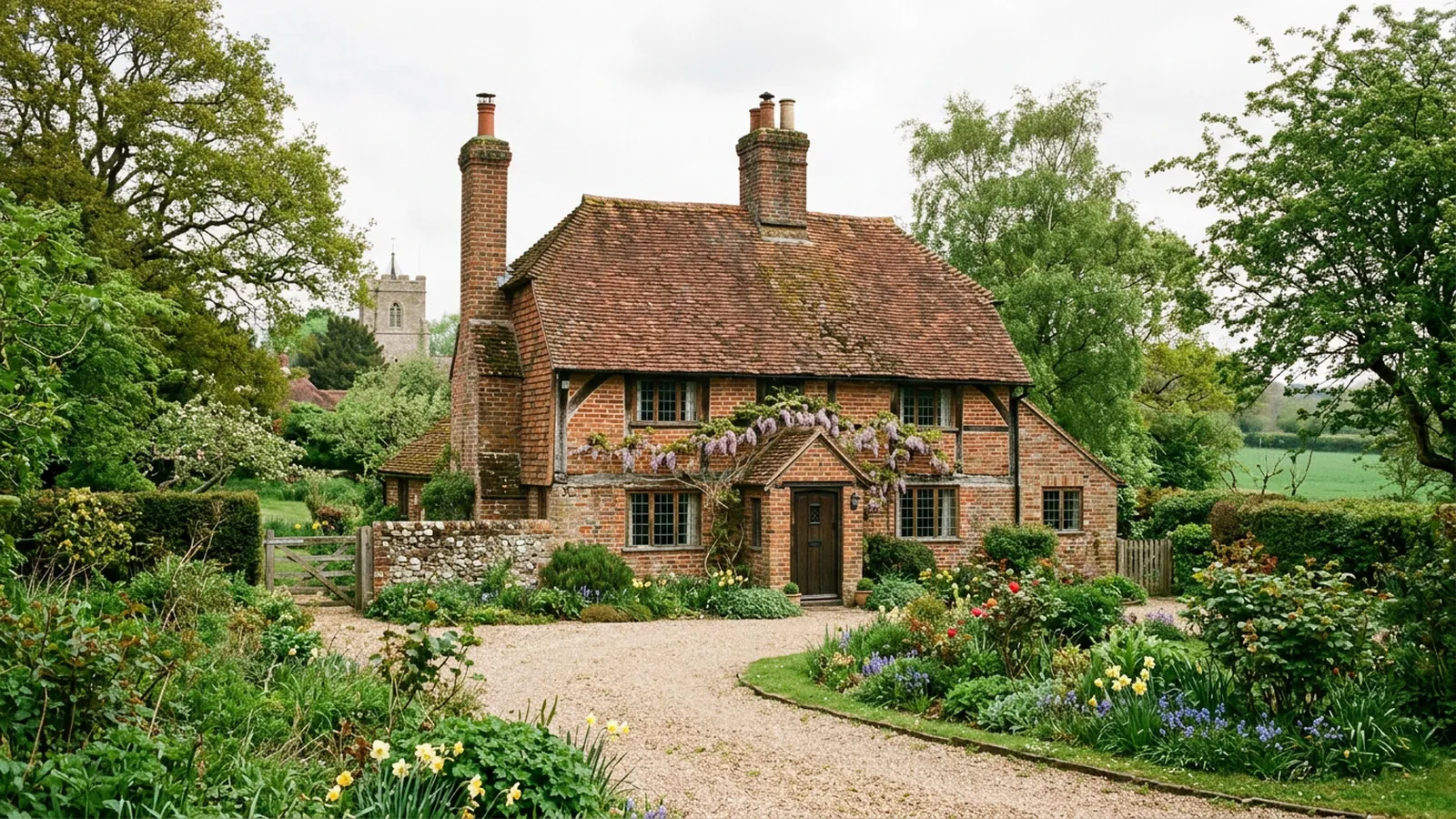
Old iron rooflights turn up on Victorian terraces in Reading and Caversham, on cottages and outbuildings in Old Basing, Overton and Kingsclere, and on barns and coach houses that were never meant to be lived in. The frame is often rusted, the single glass is cracked or painted over, and the stay has seized. Our conservation rooflight installation page covers the wider service; this page answers the narrower question of whether the old unit can be matched.
What "like for like" really means here
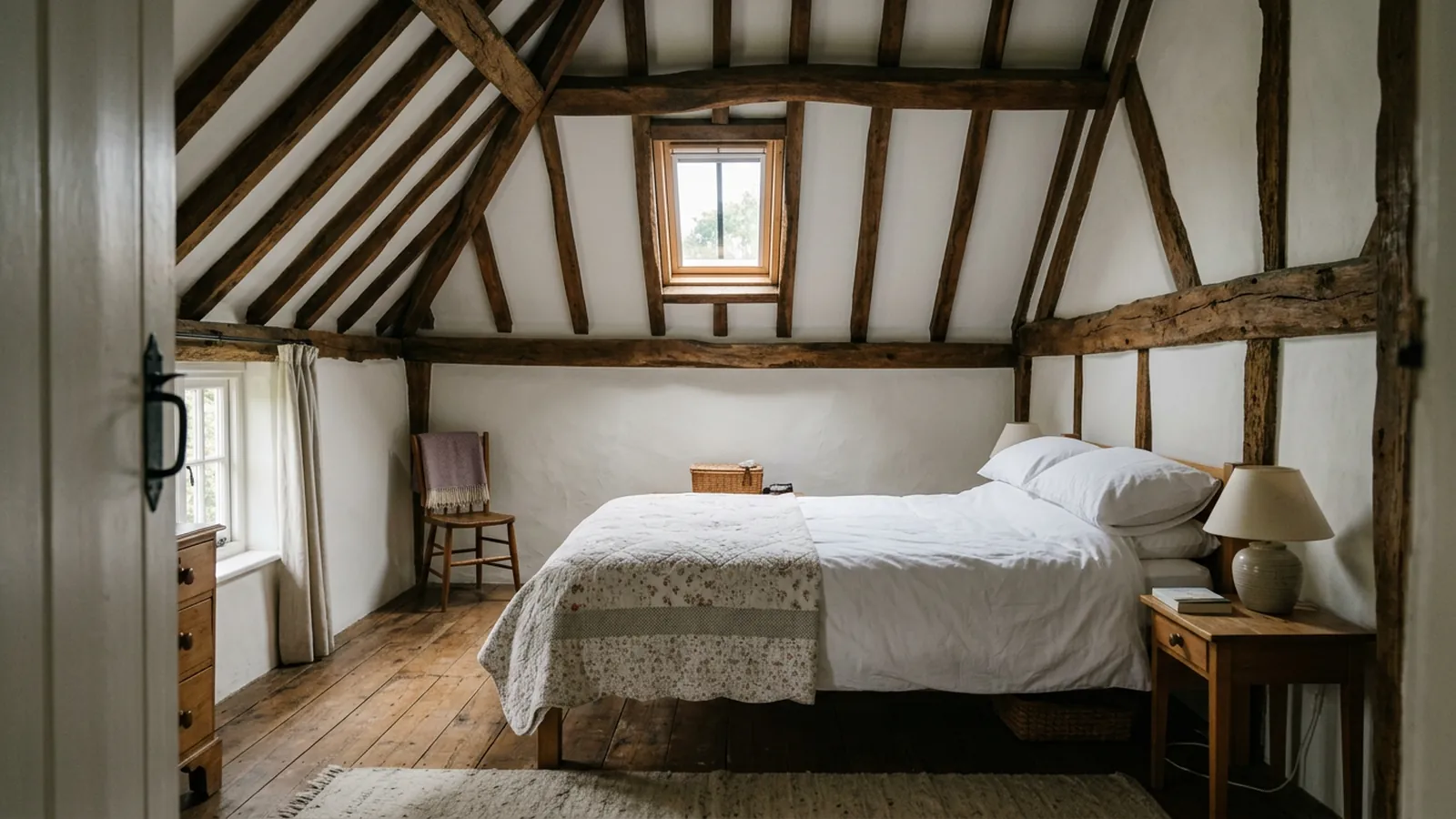
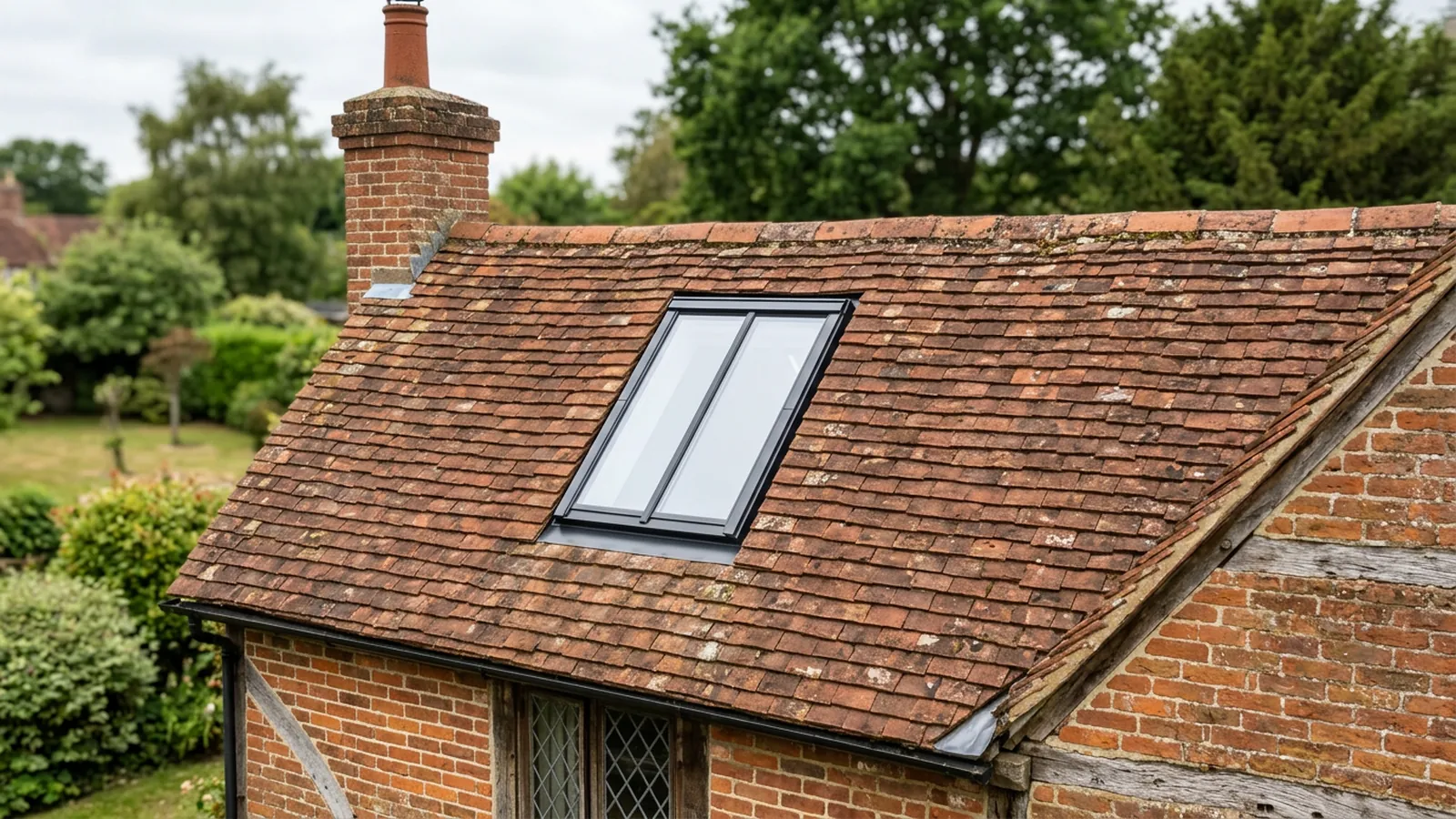
An exact copy of a nineteenth century cast frame, single glazed and without condensation drainage, is rarely what anyone wants over a bedroom. The phrase is better read as three promises: the opening stays the size it is, the new skylight sits where the old one sat, and from the street or the garden it reads the same. Frame thickness, the way the glass lies almost level with the tiles or slates, a central glazing bar if the original had one, and a dark finish are what carry that likeness.
Behind the glass the new unit can be quite different, and planners generally accept that. The guide on what makes a rooflight a conservation rooflight sets out the visual tests in full, so they are not repeated here.
Conservation rooflight compared with a standard roof window
- Low profile: the glass sits close to flush with the roof covering
- Slim dark metal frame, closer to a traditional cast iron rooflight
- Central vertical glazing bar dividing the glass
- Roof covering of slate or clay tile laid on battens
- Flashing dressed into the covering around the frame
- Standard roof window: frame, sash and flashing stand proud of the roof line (roof line shown dashed in both sections)
Old frame against new frame
| Feature | Original iron rooflight | Modern matched replacement |
|---|---|---|
| Frame material | Cast iron, often heavily corroded | Steel or cast iron, sometimes aluminium, with a protective coating |
| Glazing | Single sheet, sometimes wired or rolled glass | Sealed double glazed unit, usually toughened outside and laminated inside |
| Profile on the roof | Thin frame lying close to the covering | Kept low and flush, with the frame sightlines matched |
| Condensation | Runs down the glass onto the sill or timbers | Reduced by the warmer glass, with channels to take away what forms |
| Opening | Top hung on a notched stay, often seized | Top hung on a smooth stay, with electric options on some models |
Steel and aluminium each have a case for different roofs, and the trade-offs between them are weighed in steel or aluminium conservation rooflights. Whether the new glass is double glazed as standard is answered in are conservation rooflights double glazed?
Sizes, and when an exact match is not stocked
Victorian foundries made their own sizes, so an old opening may not line up with any standard size in a maker's range today. There are two sensible routes. The first is a made-to-measure frame, which several conservation rooflight makers offer, built to the width and length of the existing hole. The second is the nearest standard size with the opening adjusted slightly by the roofer, which works on a cut rafter roof where one of the rafters beside the frame can be packed or trimmed in the traditional way.
Which route fits depends on the rafters either side and how far the nearest stock size is from the old one. We measure the opening from inside and out at survey, before anything is ordered, and the quote names the route.
Consent before the old unit comes out
A like-for-like swap in an unlisted house in a conservation area often needs no planning application, because the look of the roof is not changing. That is a general position, not a promise: an Article 4 direction can remove the usual allowance, and the local planning authority is the one that decides. On a listed building the picture is firmer. Replacing an original iron rooflight is a change to historic fabric, so listed building consent is normally needed even when the replacement matches, and the conservation officer may ask whether the old frame can be kept and refurbished by a specialist metalworker first.
The rule: on a listed house, speak to the council's conservation officer before ordering a replacement. The exception is none: even a close match changes original fabric, so the officer decides whether consent is needed.
The Building Control side of a listed roof is a separate question, answered in does a rooflight in a listed building need Building Control as well as consent?
How the swap is carried out
- Record the original. Measure the frame, note the glazing bar and the stay, and photograph the flashing and the tile or slate courses around it, so the new unit can follow them.
- Agree the route. Made to measure or nearest standard size, steel or iron, glazing and finish, plus any consent the council has asked for.
- Lift the old unit. The surrounding tiles or slates are set aside for reuse where they come away whole, and the iron frame is lifted out of its timber kerb or trimmers.
- Prepare the opening. Rotten timber around the old frame is renewed, the membrane is dressed up to the new kerb, and insulation is added where the room allows.
- Fit and flash. The new frame is set to sit low, flashed in lead or the maker's kit to suit the covering, and the original tiles or slates go back around it.
Most of that is ordinary roofing care. What makes it a conservation job is the first step: nothing is ordered until the old frame has been recorded well enough to match.
Is the original worth keeping instead?
Sometimes it is. A frame with sound iron and only surface rust can be refurbished off site by a metalwork specialist and put back with new glass, which is the answer a conservation officer may prefer on a listed roof. The drawback is comfort: a refurbished original stays single glazed and still runs with condensation in winter, which matters over a bedroom and matters less over a store or stairwell. Where the frame is cracked, holed or badly distorted, a matched replacement is the practical path, and the officer's view settles it on a listed roof.
If you are also weighing a new-style heritage unit against an original, is a heritage rooflight the same as a conservation rooflight? clears up the naming.
Getting it matched
A matched replacement is mostly a matter of looking closely before choosing. Once the old frame is measured and the consent route is clear, the new unit is carried by our 10-year workmanship guarantee, which is not insurance backed, and any notification the work needs goes in under our name. To have your iron rooflight measured on the roof it sits in, arrange a survey visit.