That is the short answer, and it hides three traps that catch people comparing data sheets at the kitchen table. The figure a manufacturer puts first is often the flattering one, a flat rooflight and a pitched roof window are tested differently, and the legal minimum is a floor rather than a target. Our energy efficient rooflights service works through all three before a unit is ordered, so the number on your quote is the one that matters on your roof.
Where the limiting figure comes from
In England the requirement sits in Part L of the Building Regulations, which covers conservation of fuel and power. Approved Document L turns that requirement into practical guidance, and one of its tables lists a limiting U-value for each kind of new fabric element in an existing home: walls, roofs, windows, doors, and rooflights and roof windows. Fitting a skylight where there was none, or swapping an old one for a new unit, is controlled work, so the new unit has to meet that table.
The figures in the table are revised when the Approved Document is revised, which is why we would rather point you to the current edition than print a number here that could date. What does not change is how to read it: lower is better, the unit is W/m²K, and the product you choose must declare a figure no higher than the limit. Where the work is notifiable we deal with Building Control, and the declared figure forms part of what they see. If you want the reasoning behind the table, our guide to Part L and a new rooflight sets it out in full.
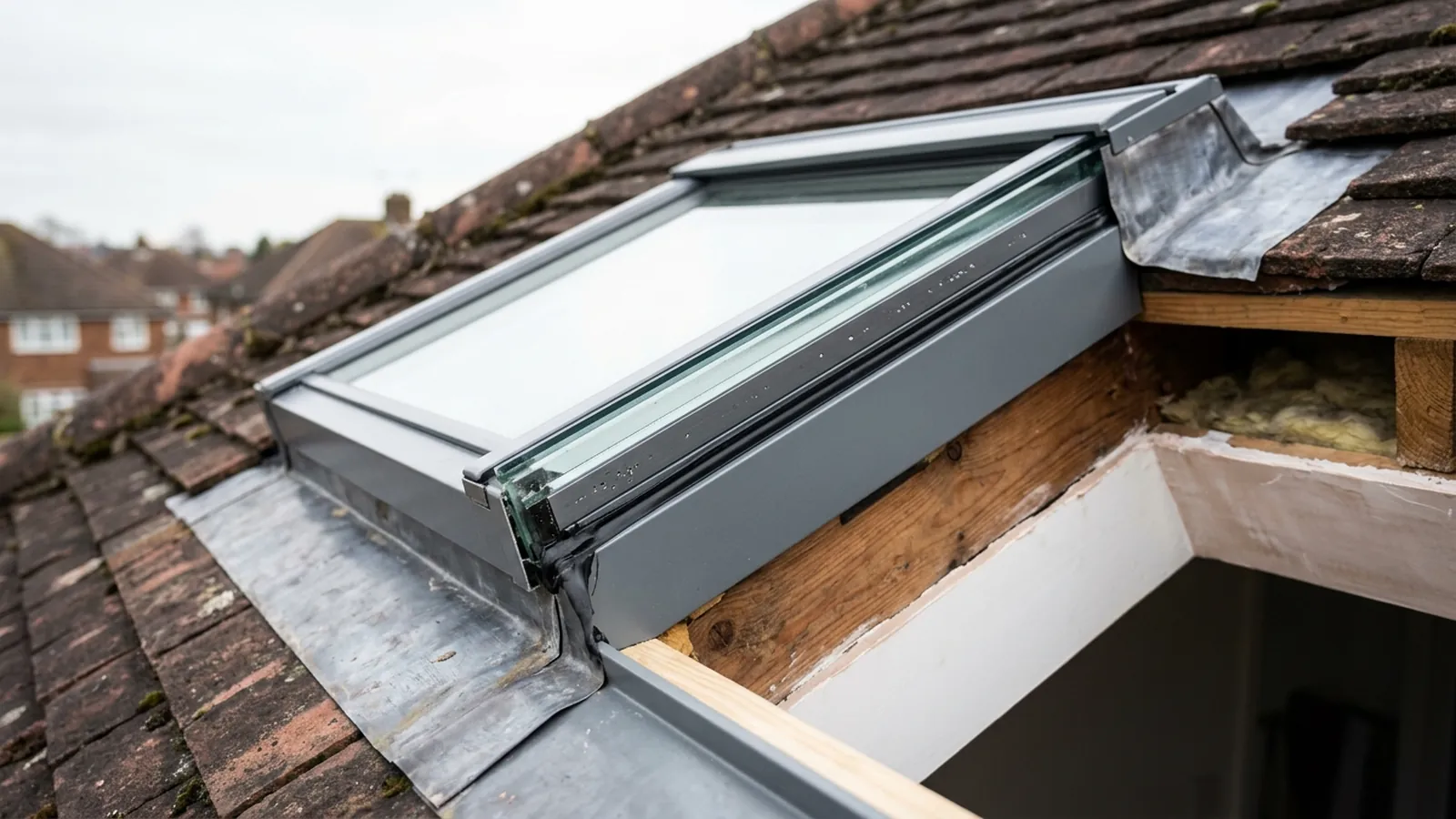
How a sealed rooflight unit works and fails
- Outer and inner glass panes, with the outer pane facing the weather
- Low-emissivity coating on one inner face, reflecting heat back into the room
- Warm-edge spacer bar holding the panes apart, filled with desiccant to soak up trace moisture
- Primary seal against each pane, backed by the secondary seal around the edge
- Dry sealed cavity, the insulating layer between the panes
- Broken edge seal: moist air gets in and the desiccant becomes saturated
- Mist and droplets trapped between the panes; they cannot be wiped off and the sealed unit needs replacing
- Inset: condensation on the room-side face of the glass is a ventilation or humidity issue, not a failed unit
Whole unit, not centre pane
This is where most of the confusion starts. A rooflight data sheet can carry several heat loss figures, and only one of them answers the regulations.
| Figure quoted | What it measures | Use it for Part L? |
|---|---|---|
| Centre-of-glass (Ug) | Heat loss through the middle of the sealed glass only, away from the edges and frame | No. It is always the better looking number and ignores the weakest parts of the unit |
| Frame (Uf) | Heat loss through the frame or kerb section on its own | No. Useful for comparing frame designs, not for compliance |
| Whole unit (Uw or Ur) | The glass, the edge of the sealed unit and the frame working together | Yes. This is the figure checked against the limit |
The gap between the centre-of-glass figure and the whole-unit figure can be wide on a small rooflight, because the frame and glass edge make up a bigger share of a small unit than of a large one. The plain-terms explanation of why sits in our guide to rooflight U-values explained.
Flat rooflights and pitched roof windows are measured differently
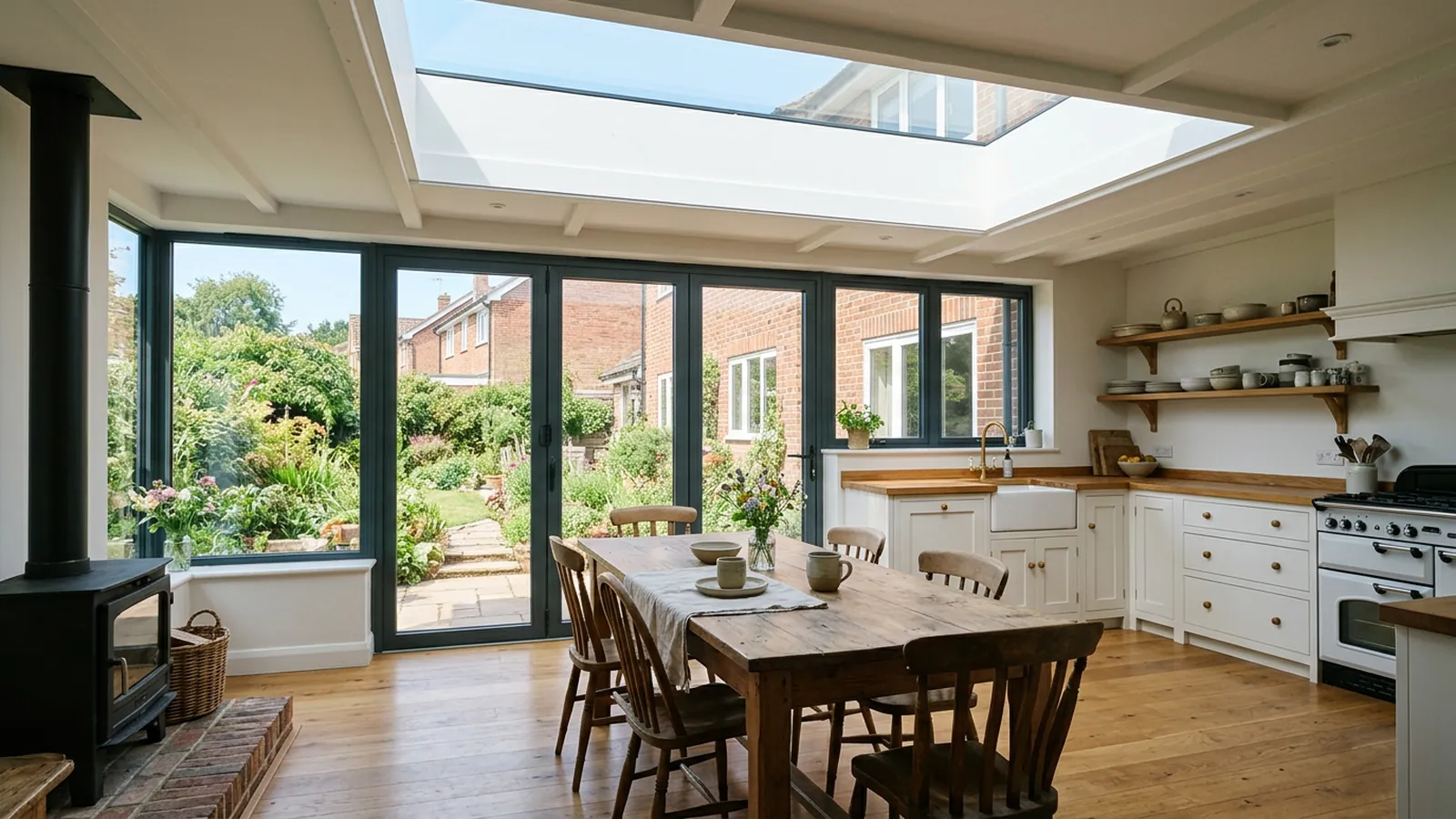
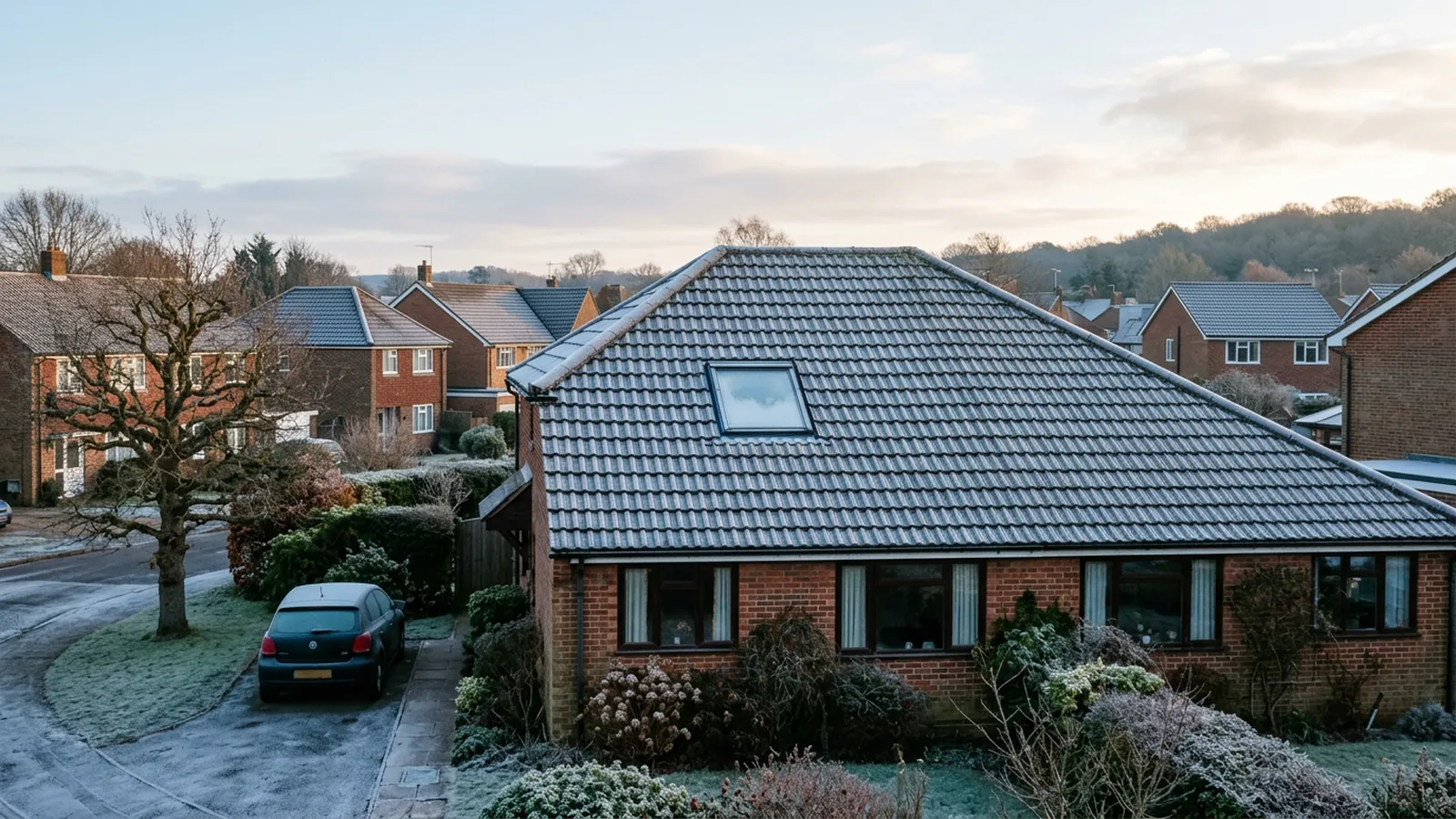
Glass loses more heat lying flat than standing upright, because warm air rises against it and the convection inside the sealed unit behaves differently. So the angle at which a unit is assessed changes its number. A flat roof rooflight on an extension off a Brighton Hill semi and a roof window in the slope of a Lychpit loft conversion cannot be compared fairly unless both figures are stated for the same position, and the guidance says which position applies to which.
The rule: compare U-values only when each is declared for the position the unit will actually sit in. The exception is a manufacturer that states figures for both positions; then read the one that matches your roof and set the other aside.
A figure measured upright can make a flat rooflight look warmer than it will be on the roof. On a quote, we name the position the declared figure refers to so you are not comparing a vertical number from one supplier with a horizontal number from another.
Is scraping under the limit good enough?
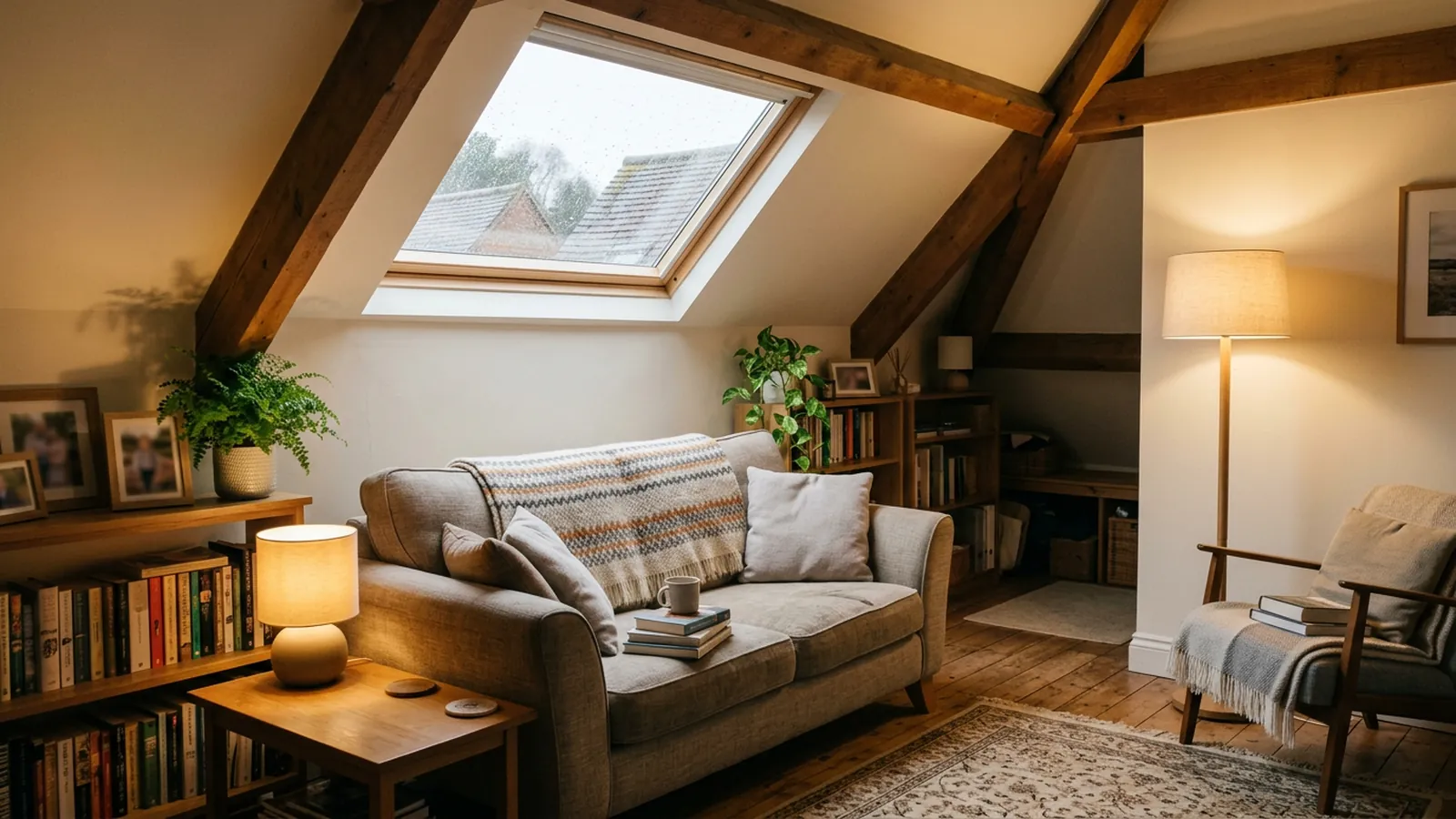
Legally, yes. Practically, it depends on the room. A unit that just meets the limit is fine over a stairwell or a bathroom used for minutes at a time. Over a loft bedroom or a flat-roofed kitchen extension where you sit under the glass on a winter evening, a unit well inside the limit feels different: the inner pane stays warmer, there is less cold down-draught, and condensation on the glass is less likely.
Getting further under the figure usually means a better sealed unit (a third pane, a warm edge spacer, a gas fill) and a frame with a thermal break. Whether that extra step earns its keep depends on the size of the glazing and how the room is used, which is the whole subject of our answer on whether triple glazing is worth it in a rooflight.
The unit is only half the picture
A rooflight with an excellent declared figure can still leave a cold ring round the opening if the upstand or lining is left uninsulated. Part L looks at how the unit is fitted as well as what it is, and on flat roofs the kerb it sits on is often the weak point. We cover that in one line on the survey and in detail in our answer to whether energy efficient rooflights need an insulated upstand.
- Choose the room first. Decide how the space is used and how much light it needs.
- Read the right figure. Whole-unit U-value, declared for the fitted position, at or below the current limit.
- Check the surround. Insulation carried up to the frame, with an insulated kerb on a flat roof.
- Confirm on survey. We look at the roof, the pitch and the opening before we quote, then specify the unit to suit.
Replacing an old rooflight
Swapping out a tired unit counts as fitting a new one for Part L, so the replacement meets the same limit as a brand new rooflight. On the 1970s and 1980s estates around Basingstoke, many original plastic domes and early timber roof windows were made long before today's figures, and a like-for-like shape in modern glazing is a clear step up. The detail of how the rules treat a straight swap is in our answer on whether a replacement rooflight has to meet Part L.
If you would rather someone read the data sheets against your actual roof, arrange a roof survey and you will get a written quote naming the unit, its whole-unit figure and the position it was declared for. For the wider picture of fitting a skylight or rooflight in the area, start on our rooflight installation around Basingstoke page.