That is the honest shape of it: triple glazing is a better insulator, and whether that gain earns its place depends on the room under the glass, the direction the roof faces and how big the opening is. Our energy efficient rooflights page covers how we specify glass for a whole job; this answer stays on the one decision of two panes or three.
What the third pane actually changes
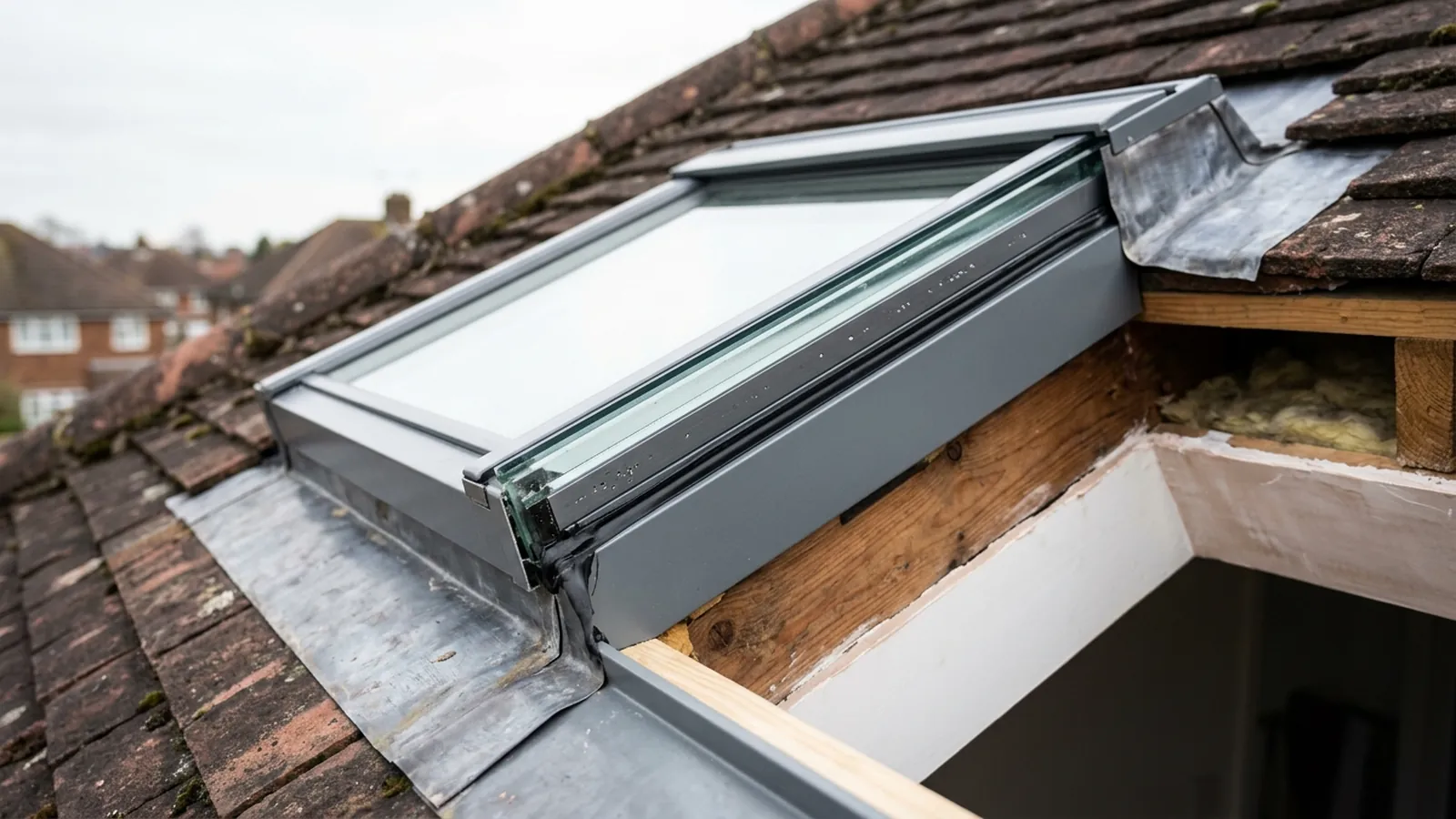
A sealed unit loses heat mostly across the gas-filled gaps between panes. Adding a third pane adds a second gap, so heat has one more layer to cross before it reaches the cold side. The result is a lower centre-pane U-value and a warmer inner surface on a frosty night, which is why a triple glazed skylight feels less chilly to sit beneath.
What it does not change is the frame, the upstand or the way the unit sits in the roof. If those parts are poor, a triple glazed pane only moves the weak point elsewhere. The side-by-side detail on build-ups, gas fills and coatings belongs to our guide on double or triple glazed rooflights, so here we keep to the trade-off.
How a sealed rooflight unit works and fails
- Outer and inner glass panes, with the outer pane facing the weather
- Low-emissivity coating on one inner face, reflecting heat back into the room
- Warm-edge spacer bar holding the panes apart, filled with desiccant to soak up trace moisture
- Primary seal against each pane, backed by the secondary seal around the edge
- Dry sealed cavity, the insulating layer between the panes
- Broken edge seal: moist air gets in and the desiccant becomes saturated
- Mist and droplets trapped between the panes; they cannot be wiped off and the sealed unit needs replacing
- Inset: condensation on the room-side face of the glass is a ventilation or humidity issue, not a failed unit
Where triple glazing tends to earn its keep
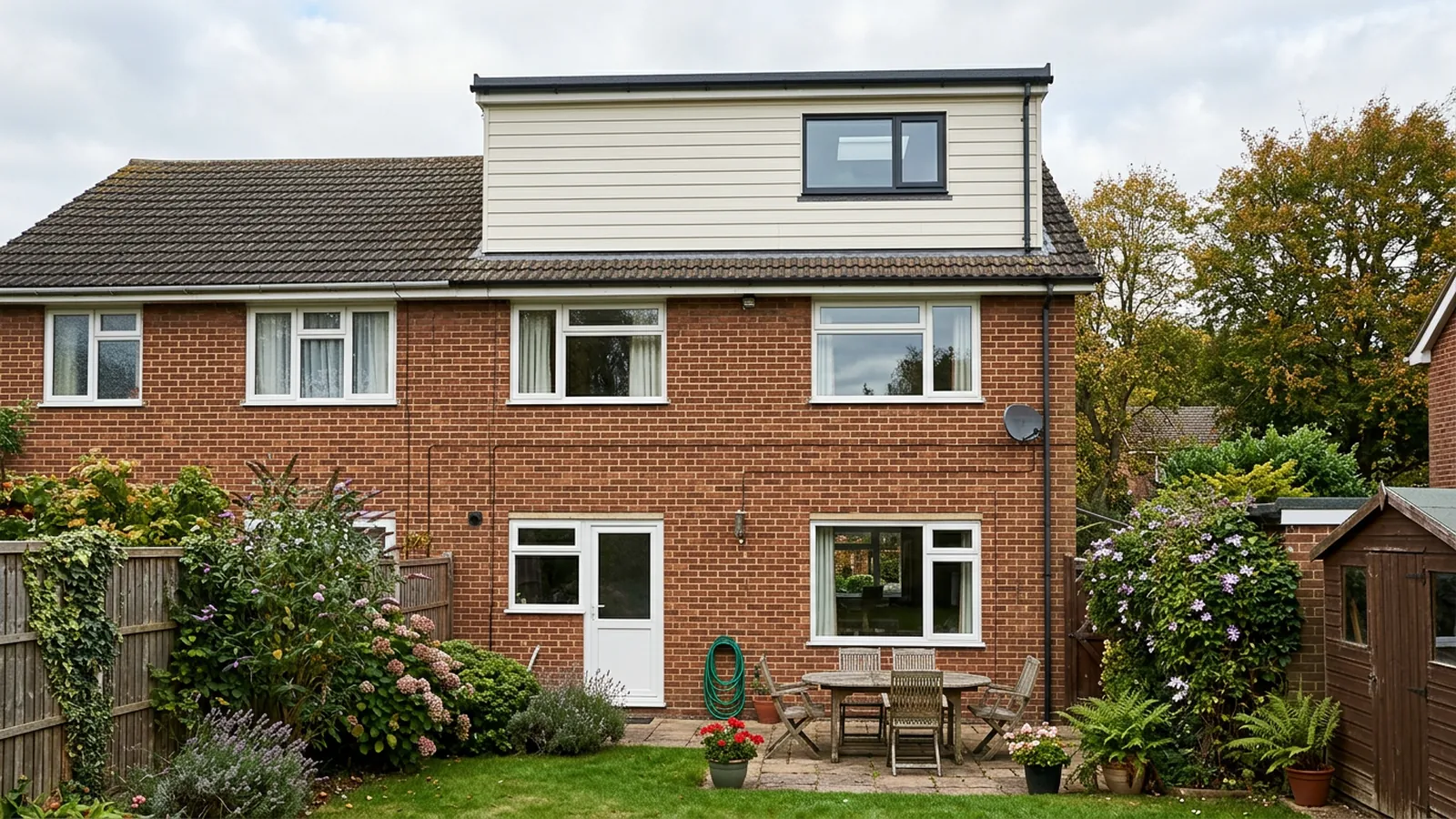
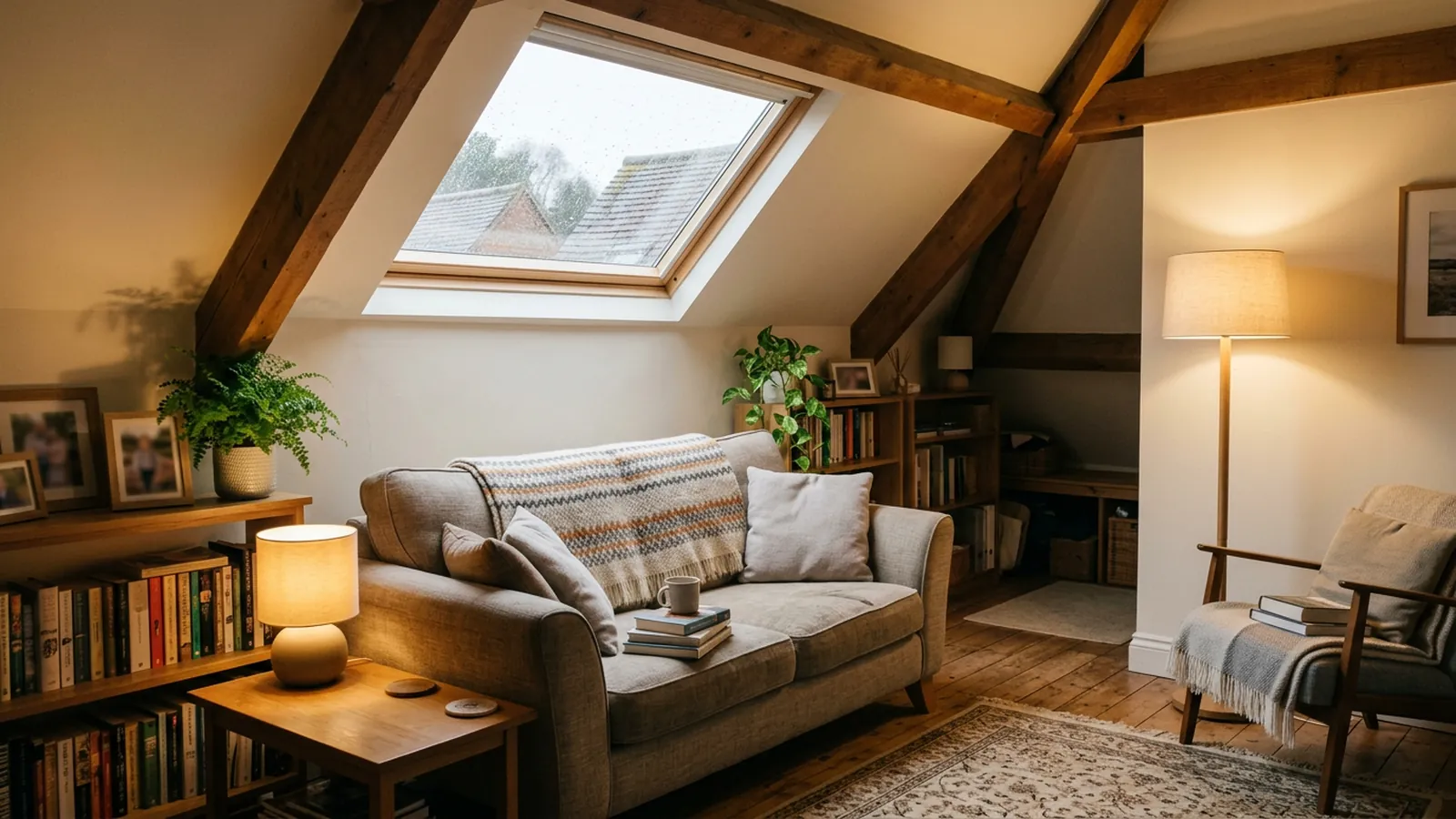
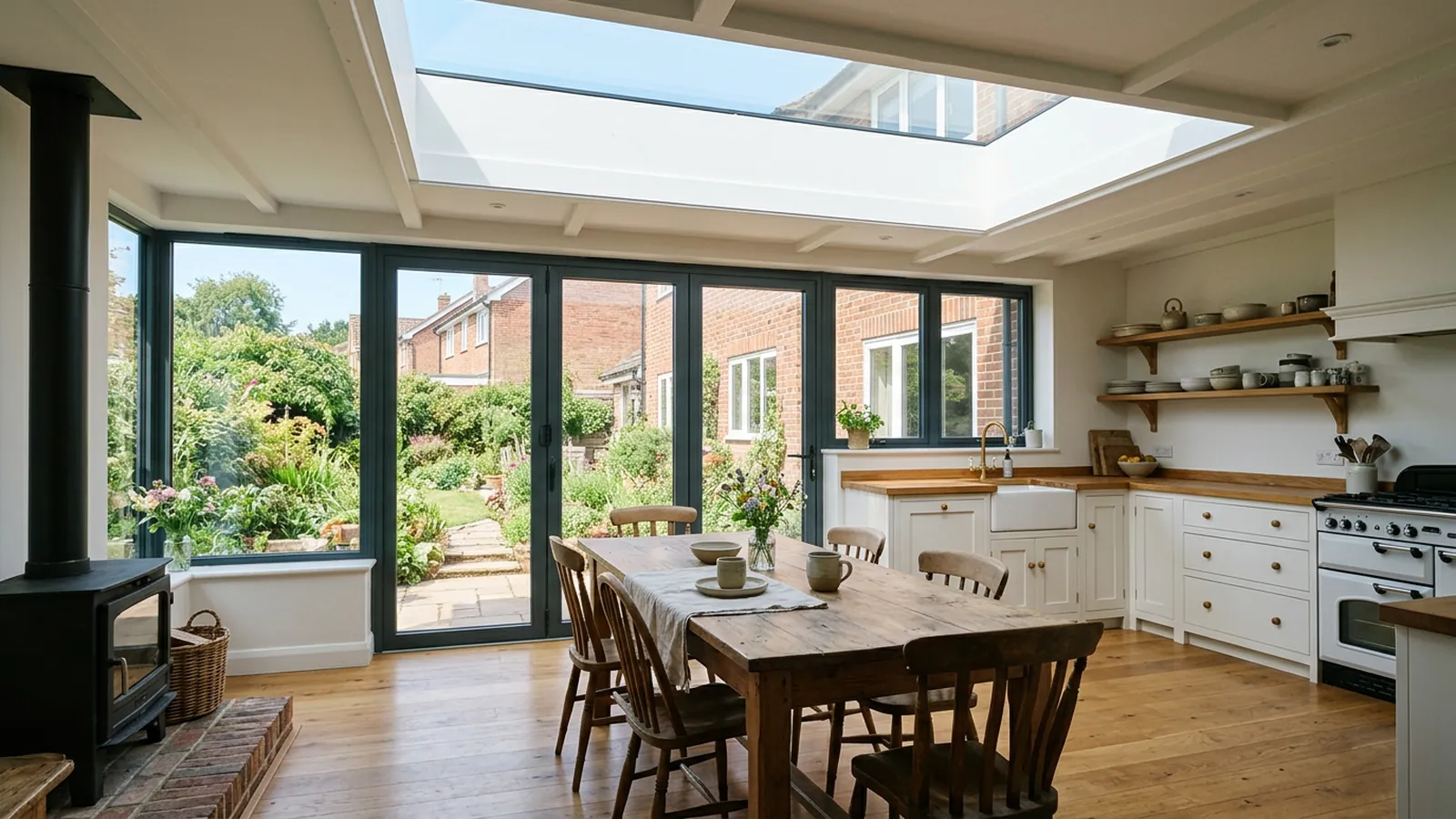
The case is strongest where the glass is large, the room is heated for long hours and the roof faces away from the sun. A north-facing roof window in a converted loft on a 1970s Brighton Hill semi, lit and heated late into the evening, is a fair example of the type. So is a wide flat rooflight over an open plan kitchen, where the glass is a big share of the ceiling.
| Room and roof | Leans towards | Why |
|---|---|---|
| Loft bedroom, north or east facing | Triple | Heated for long hours with little sun to offset the heat lost through the glass |
| Large flat rooflight over a kitchen extension | Triple | A big area of glass in the ceiling, where warm air collects |
| Small roof window over a stairwell or landing | Double | Small glass area in a space you pass through rather than sit in |
| South-facing loft room already prone to heat | Either, with the right coating | Summer gain is the bigger problem, and the coating does more than the pane count |
| Conservation rooflight in a slim frame | Whatever the frame accepts | The frame profile and the look set the limit on unit thickness |
What you give up for it
Three panes weigh more than two, so the sash, hinges and any electric opener must be rated for the heavier unit. On a centre-pivot roof window that is a matter of choosing the right product; on an opening flat rooflight it can narrow the options. The extra glass also lets through slightly less visible light and less free solar warmth. In a dim north-facing room the daylight loss is small but real, and it is worth weighing against the heat saved, which our guide on balancing daylight gain against heat loss works through in full.
Then there is price. A triple glazed unit costs more to make and to handle, and the payback in lower heating bills depends on the size of the glass and the hours the room is heated. We publish no figures for that, because it genuinely varies from roof to roof.
The rule: a lower U-value is never wasted, but it is not the only number on the unit. The exception is a sunny, south-facing loft room, where a well-chosen coating on double glazing can do more for comfort than a third pane, because the complaint there is overheating rather than cold.
Does Part L push you to triple?
Building Regulations set a limiting U-value for a new or replacement rooflight, and good double glazed units from the main makers generally meet it. Triple glazing takes you further below that line. So the regulations usually leave the choice with you rather than forcing it. The target itself is covered in our answer on what U-value a new rooflight should have, and where the work is notifiable, the Building Control paperwork is something we take off your hands.
Condensation and the cold edge
Because the room-side pane of a triple unit runs warmer, it is less likely to mist on a cold morning, which helps in bathrooms and bedrooms. The glass edge and the upstand still matter, though: a warm pane set in a cold frame can still gather moisture at the perimeter. Our answer on whether energy efficient rooflights reduce condensation explains where the droplets tend to form and why.
In a converted loft on a trussed estate roof, the insulation around the lining matters as much as the glass. A triple glazed skylight set into a poorly insulated reveal will still leave a cold band round the opening. If that loft already feels cold, read do rooflights make a loft conversion colder? before deciding on the glazing alone.
How we settle it for your roof
We look at the roof before we price anything, and the glazing question is part of that visit. We note which way each slope faces, measure the opening the room needs, check what the frame and any opener will carry, and ask how the room is used and when it is heated. From there we suggest double or triple for that particular rooflight and explain the reason in a sentence, with both options shown on the written quote if you want to compare them.
The workmanship on the finished installation is guaranteed for ten years; that guarantee is not insurance backed. If you are weighing two panes against three for a loft, a landing or an extension, arrange a survey visit and we will give you a straight answer for the room you actually have.