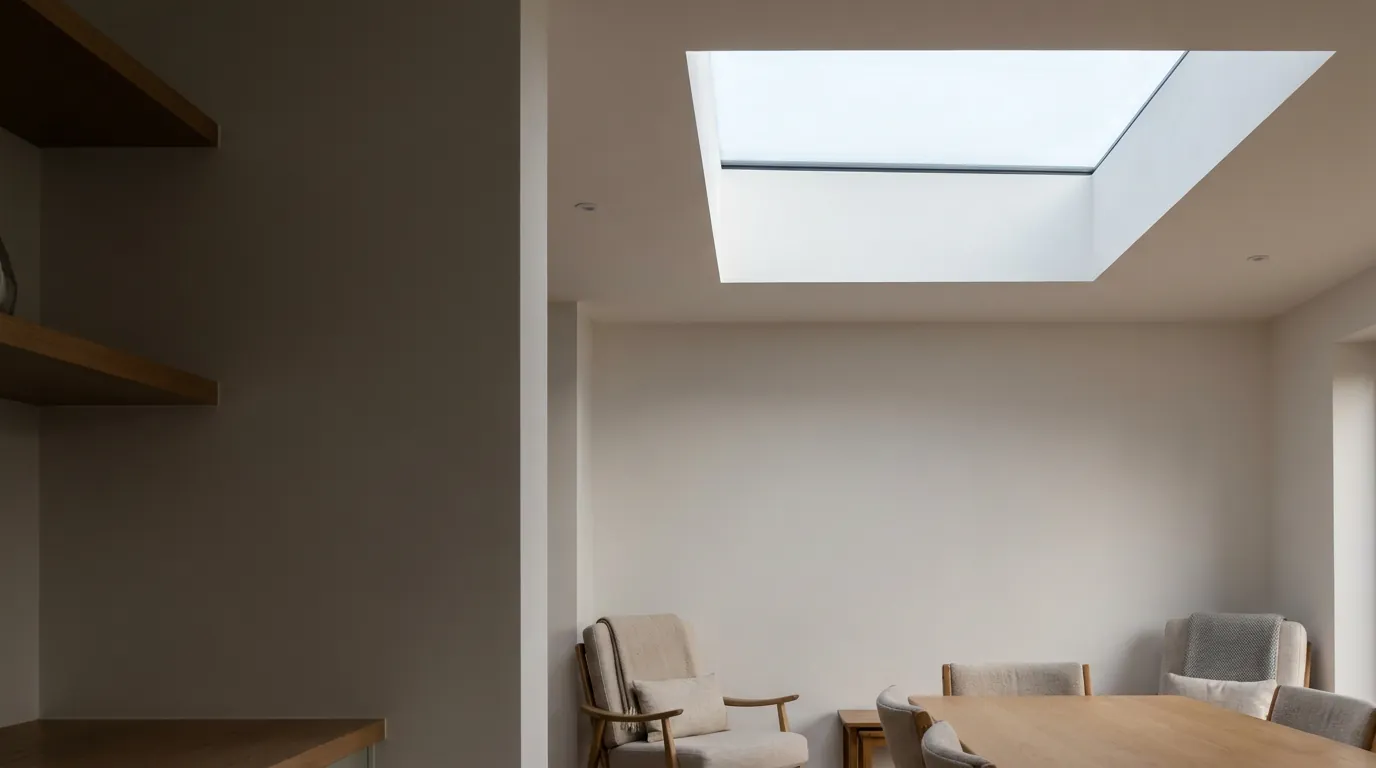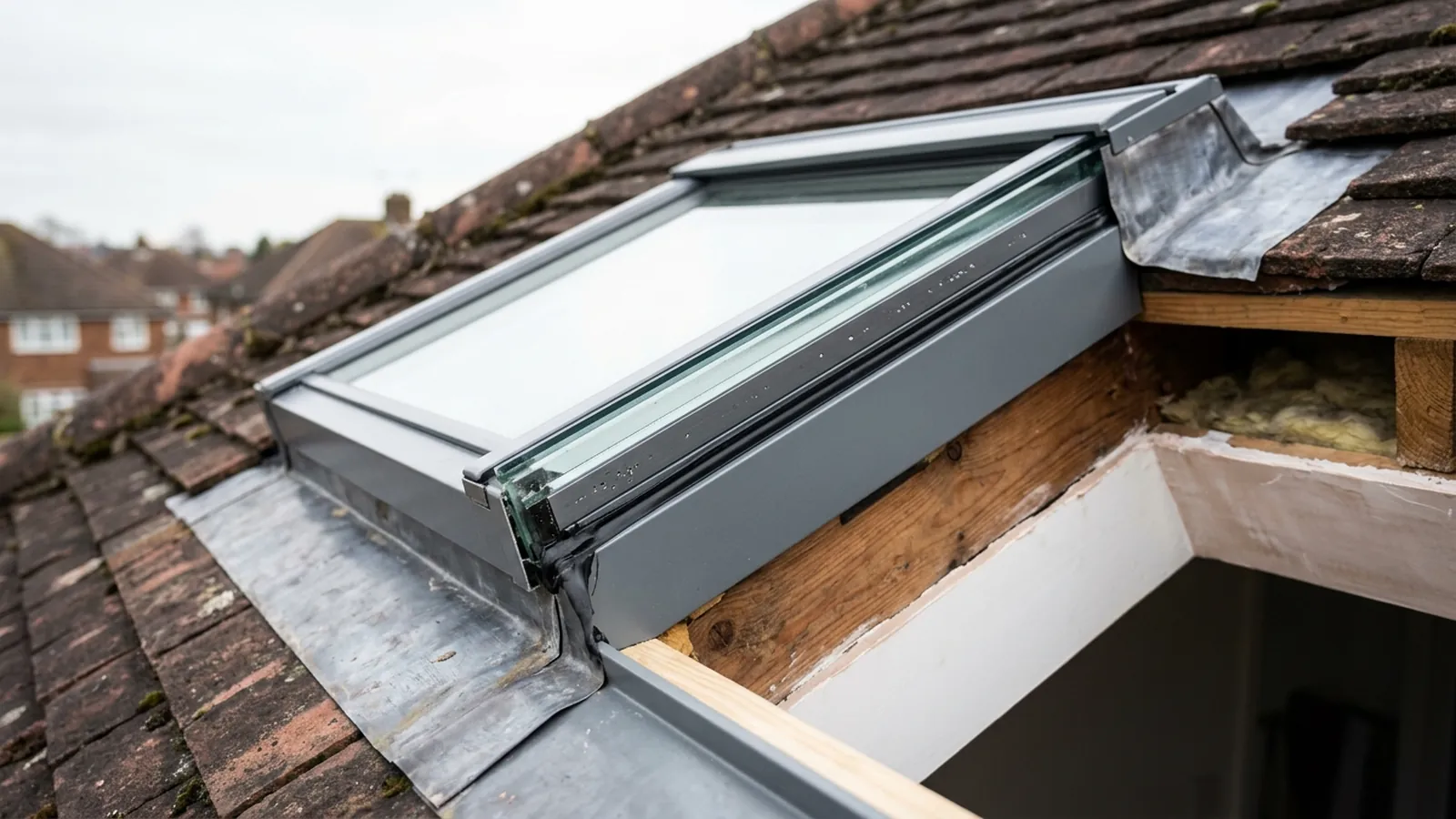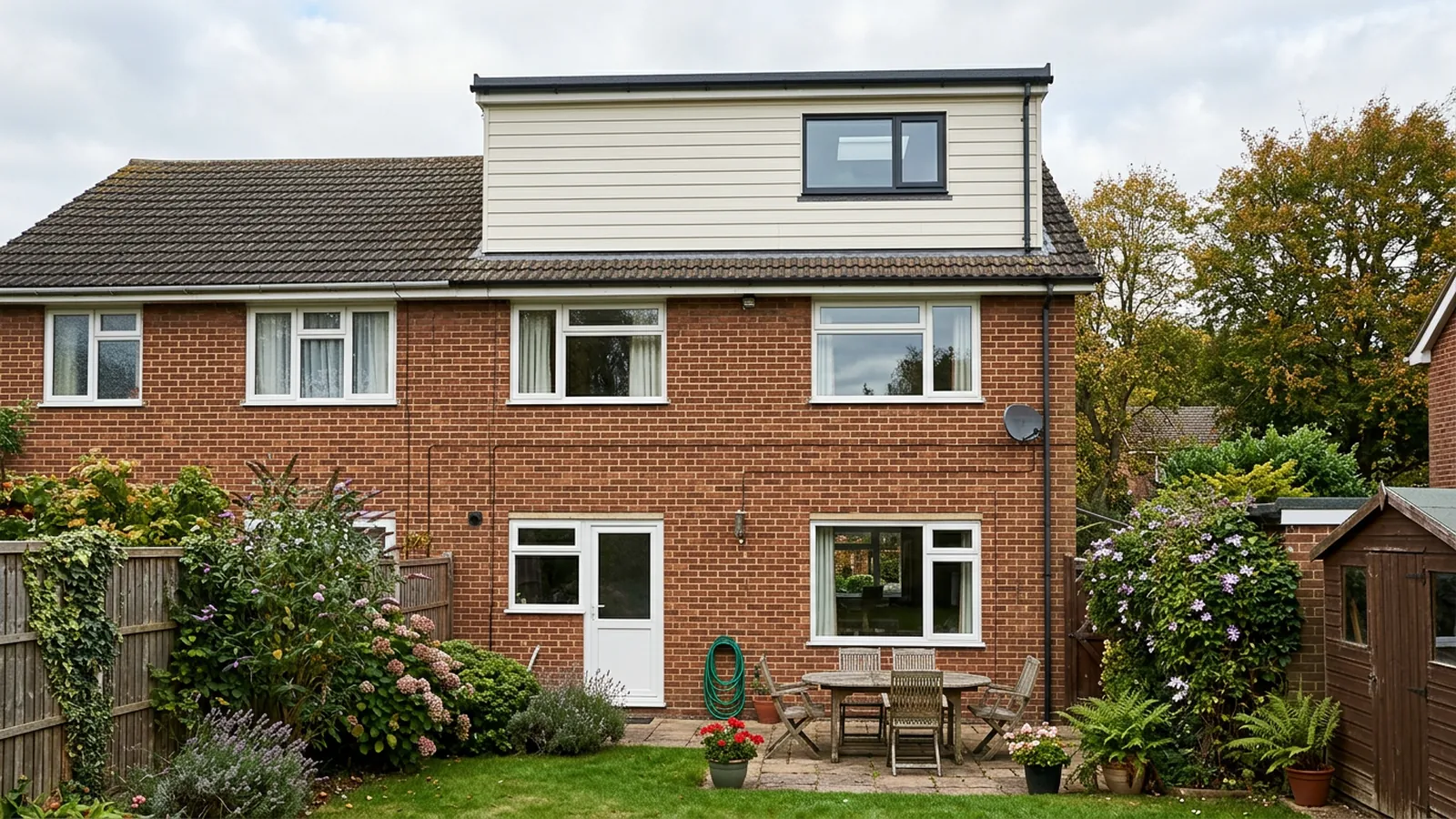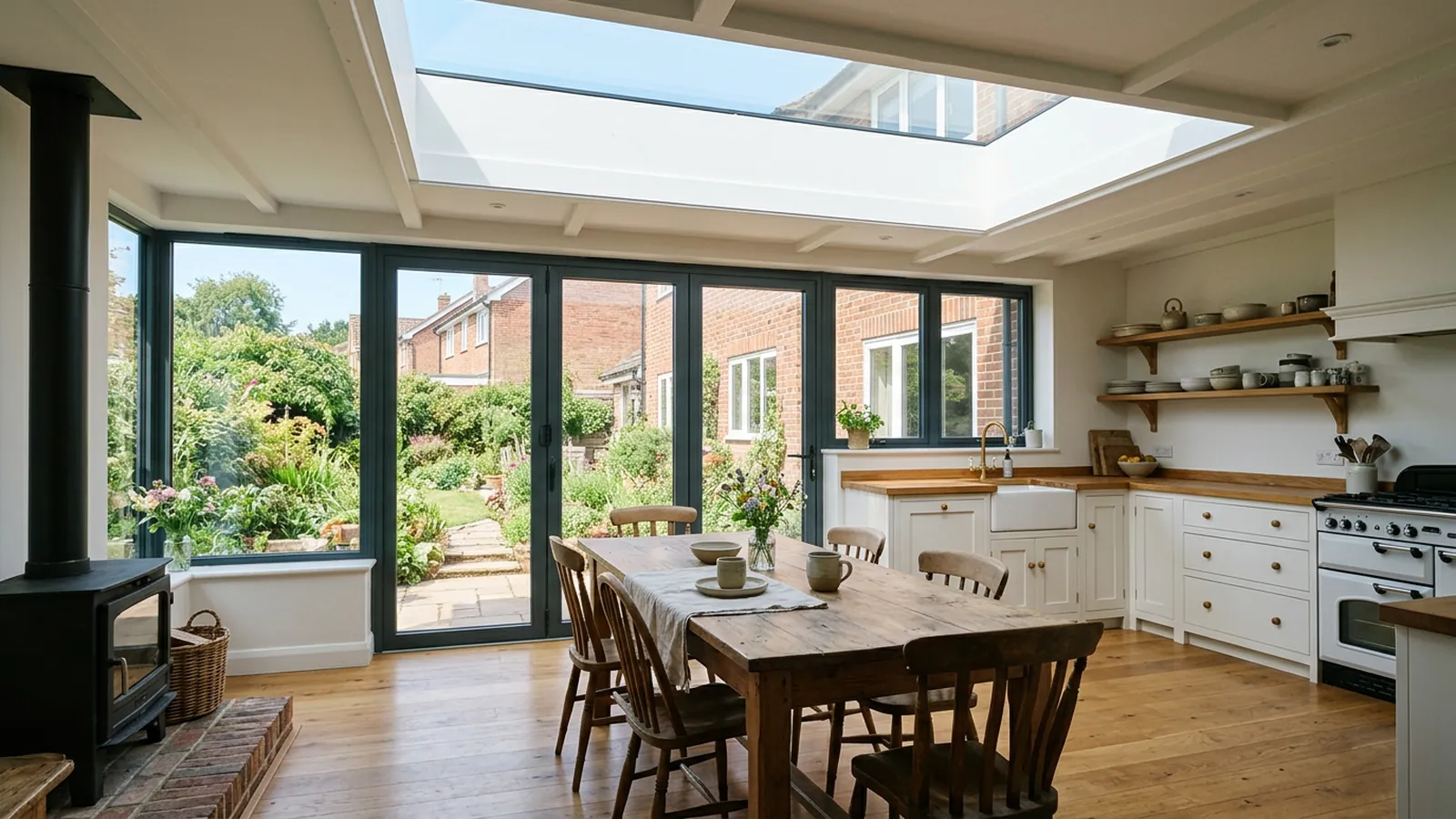
That is the honest framing for anyone weighing rooflight summer heat before they commit. The glazing choices behind it sit within our energy efficient rooflights work, where the glass is picked for the room it will light rather than for the brochure. This page deals with one thing: whether a room under a rooflight stays comfortable in July, and what makes the difference.
Why rooms under roof glass warm up
Two things happen on a hot afternoon. Sunlight passes through the pane, lands on the floor, the furniture and the walls, and turns into heat that cannot easily get back out through the glass. Meanwhile the warm air in the house rises and collects at the highest point, which in a loft room or an extension with a flat roof is exactly where the glass sits.
A wall window in a south elevation meets the midsummer sun at a steep, glancing angle. Glass in a roof meets it far more directly, so each square of it takes in more of the day's heat in summer than the same square in a wall. That is why the same room can feel fine with a dormer and too warm with a larger rooflight, even though both face the same way.
A rooflight does not cool a room; it decides how much heat the room is asked to shed.
How a sealed rooflight unit works and fails
- Outer and inner glass panes, with the outer pane facing the weather
- Low-emissivity coating on one inner face, reflecting heat back into the room
- Warm-edge spacer bar holding the panes apart, filled with desiccant to soak up trace moisture
- Primary seal against each pane, backed by the secondary seal around the edge
- Dry sealed cavity, the insulating layer between the panes
- Broken edge seal: moist air gets in and the desiccant becomes saturated
- Mist and droplets trapped between the panes; they cannot be wiped off and the sealed unit needs replacing
- Inset: condensation on the room-side face of the glass is a ventilation or humidity issue, not a failed unit
The four things that decide how warm it gets
None of these is exotic. Each is a choice made at the specification stage, and each works better alongside the others than alone.
| Measure | What it does | Where it matters most |
|---|---|---|
| Solar control glass | A coating that reflects part of the sun's heat while passing most of the visible light, shown as a lower g-value | South and west facing slopes, and flat roofs that see sun all day |
| External awning blind | Stops sunshine before it reaches the glass, so the heat never gets inside | Bedrooms in loft conversions and home offices used through the afternoon |
| Opening sash at the high point | Lets the warmest air leave where it gathers, drawing cooler air in lower down | Loft rooms and stairwells, where warm air rises straight to the ceiling |
| Sensible glazed area | Keeps the amount of sun-facing glass in step with the size of the room | Small rooms given a large unit, and kitchen extensions with several rooflights |
Glass: g-value first, then everything else
The number to ask about is the g-value, the share of the sun's energy that ends up inside. A lower figure means a cooler room in summer. Our short answer on what the g-value on rooflight glass means explains how it is quoted, and the coatings that bring it down are compared in the guide to solar control and low-e coatings.
There is a trade to be aware of. A coating that holds back more heat can also hold back some light and give the view a faint tint, which matters on a north slope where daylight is precious and summer sun is not a problem. Whether it leaves the room gloomy is answered in does solar control glass make a room darker? The sensible pattern is solar control where the sun lands, standard low-e glass where it does not.
Shading and airflow do the heavy lifting
Glass alone will only take you so far. The two measures that change a hot room most are keeping the sun off the pane and letting warm air out at the top.
- Shade outside, not in. A blackout or pleated blind inside the frame helps with glare and sleep, but the sunshine has already come through the glass and warmed the air behind the blind. An awning blind on the outside of the sash catches it before it gets in.
- Open the top of the room. A rooflight that opens at the ceiling's high point works like a chimney: hot air leaves, and cooler air is drawn in through a window lower down or on the shaded side of the house.
- Vent overnight. A sash left on its secure vent position through a warm night flushes the heat that built up in the day, so the room starts the next morning cooler.
- Let it respond on its own. Electric rooflights with rain sensors close themselves in a shower, which makes leaving a skylight open while you are out a practical habit; see our electric and opening rooflights.
A fixed pane over a flat roof extension gives none of that airflow, so on a sunny kitchen the choice between fixed and opening is as much about summer comfort as about fresh air.
Which slope, which room
Orientation sets the scale of the problem. A north-facing slope takes very little direct summer sun, so a rooflight there brings calm, even daylight with little heat. East catches the morning, which suits a kitchen and warms a bedroom early. South and west carry the strongest afternoon and evening sun, and a loft bedroom on those slopes is the room that needs every measure above. The balance between orientations is set out in which way should a rooflight face?, and the full treatment of the hottest case is in our guide to overheating in south-facing loft rooms.
The rule: put the largest glazed area on the slope that gets the least afternoon sun. The exception is when the view, the stair or the headroom only works on the sunny side; then glass, blind and an opening sash are chosen together from the start, not added after the first heatwave.
Around Basingstoke, the roofs that feel it most
The trussed estates from Brighton Hill to Chineham are full of loft conversions with roof windows set between the trusses on whichever slope faced the garden, and many face south or west. Those rooms sit right under the tiles, with little mass to soak up heat, so an old clear-glazed unit on the sunny side is often the reason a converted loft is unusable on summer evenings. Replacing it with a solar control unit, an external blind and an opening sash in the same truss bay is usually a like-for-like job that changes how the room feels without altering the roof.
Single-storey extensions with flat roofs have a different pattern: the rooflight sees sun from mid-morning to evening whichever way the house faces, so the glass specification and an opening option carry more weight there.
What we look at before recommending anything
At the survey we note which way each slope faces, how the room is used and when, the size of the opening against the room, and whether a sash at that position can open without obstruction. That lets us suggest the glass and shading for each rooflight rather than one specification for the whole house. If your loft or extension already overheats, or you want to get it right before the first window goes in, arrange a survey of the roof and we will talk it through in the room itself.