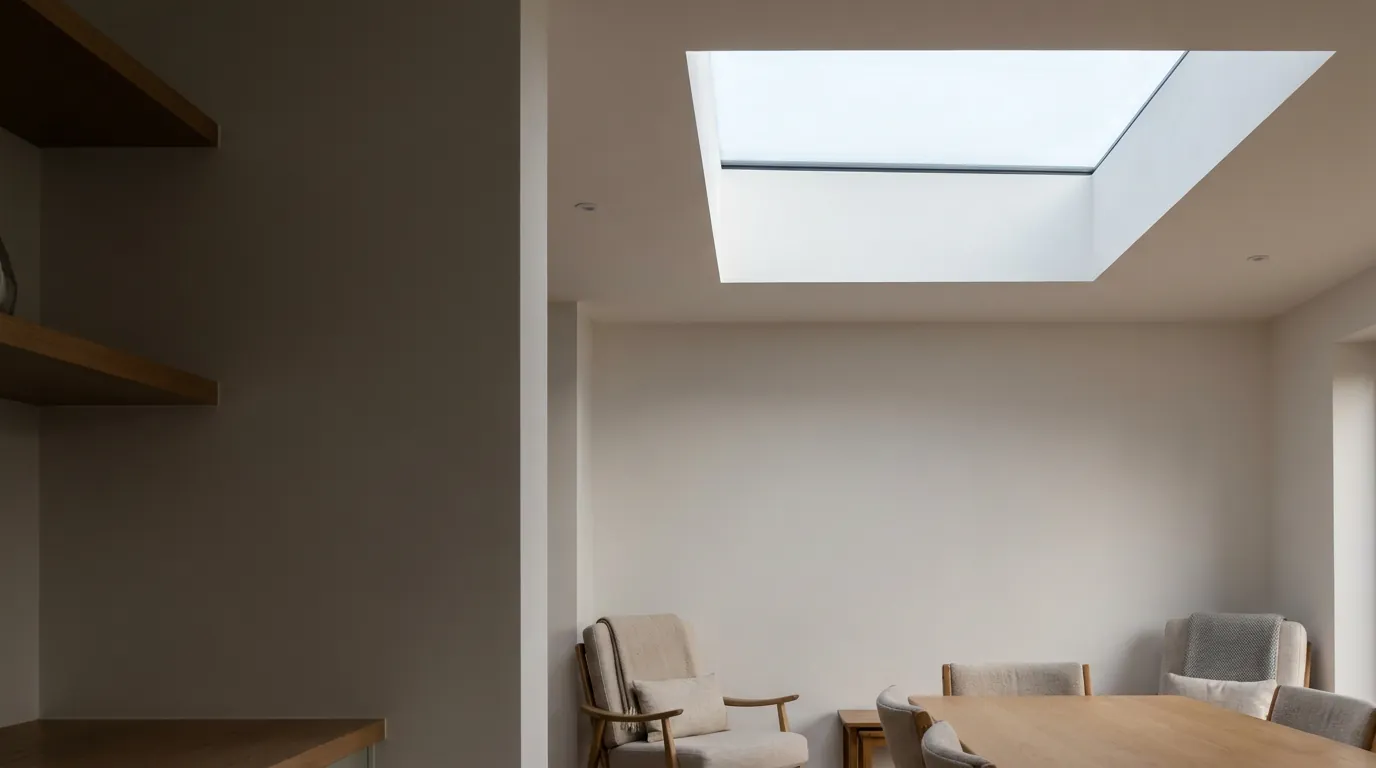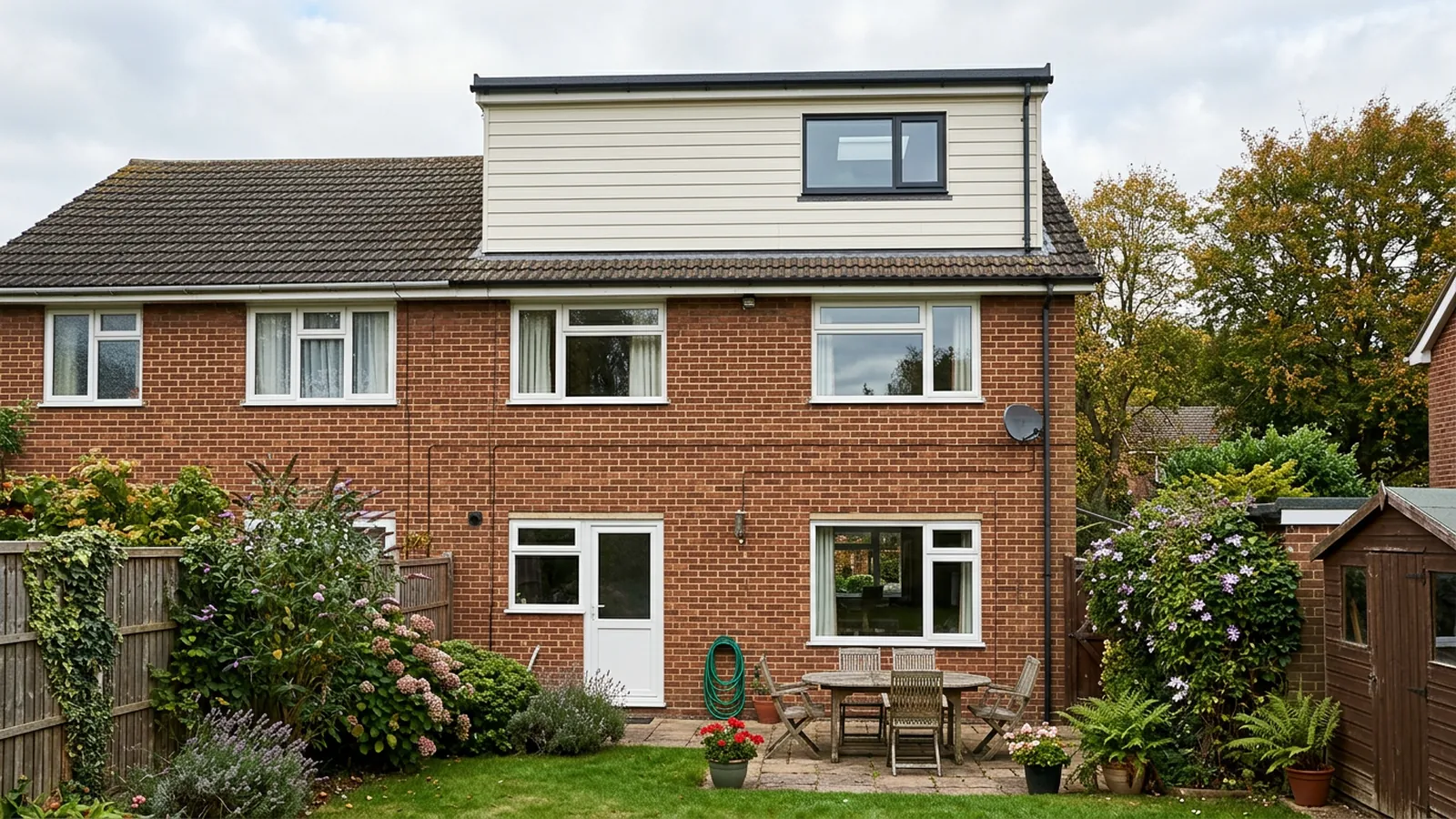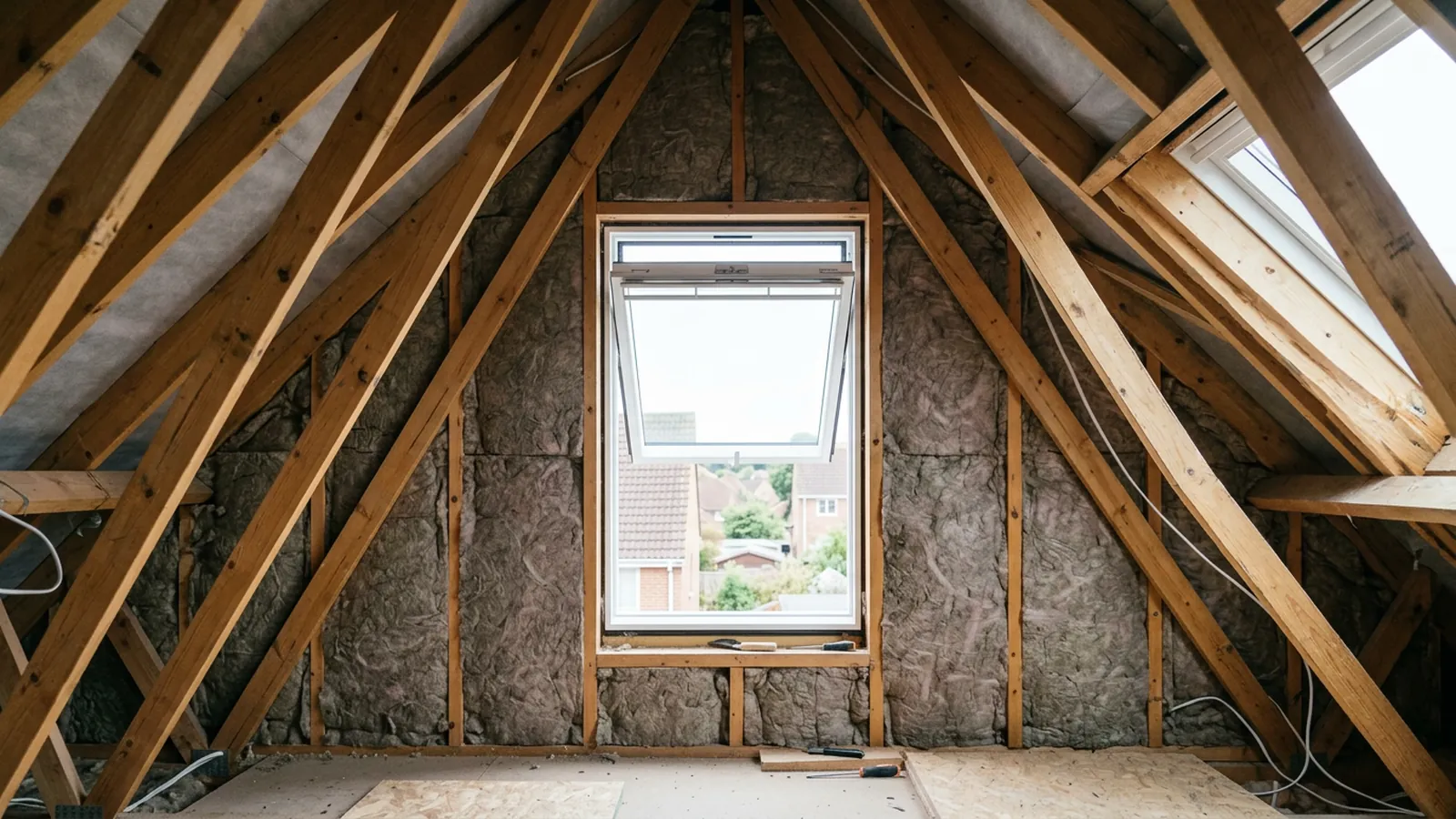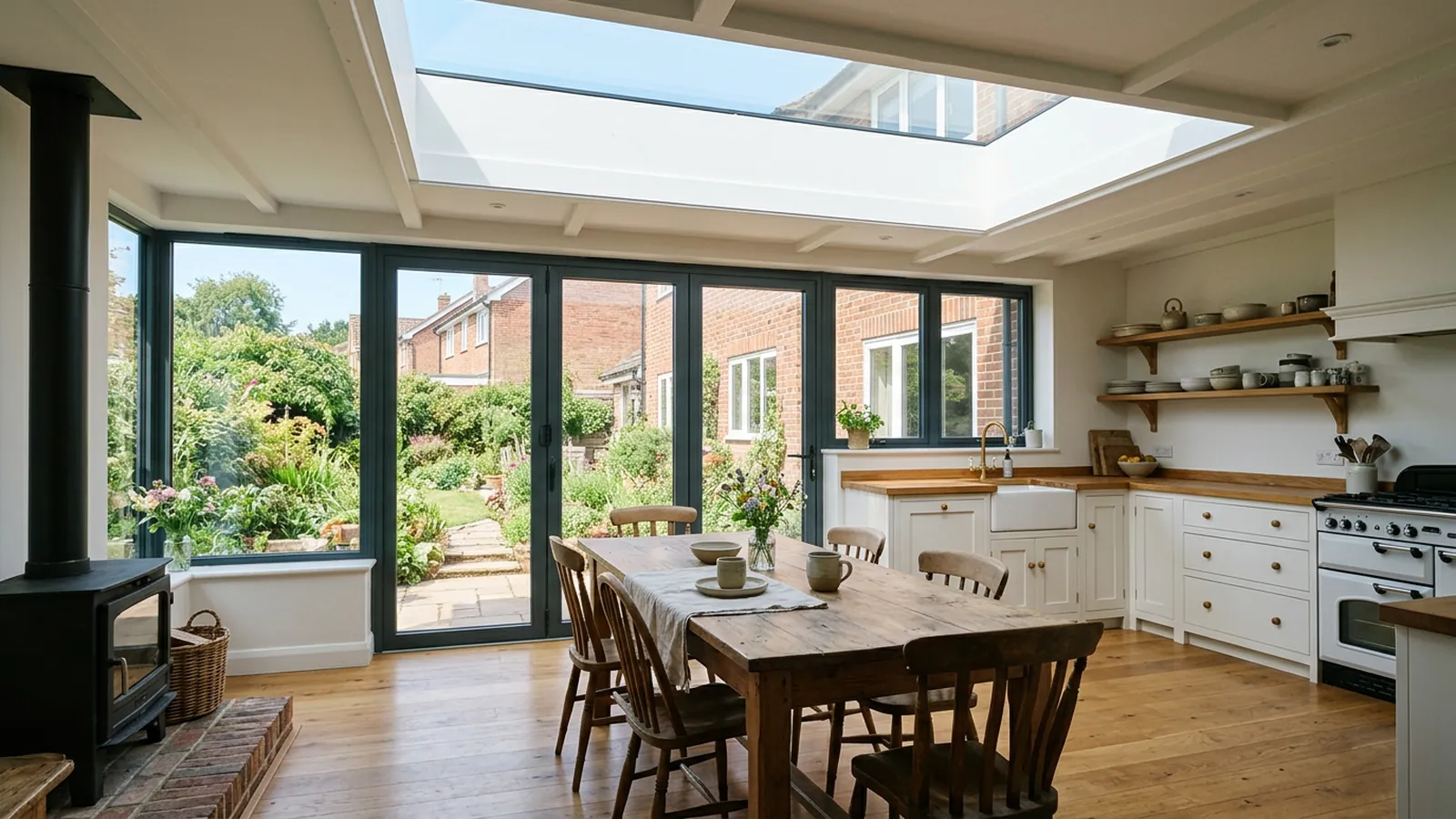
The idea appeals most to anyone with glass they cannot easily reach: a roof window high on a loft slope, or a flat rooflight over an extension where a ladder would mean walking on the roof. It sits alongside the glazing choices covered on our energy efficient rooflights page, although, as explained below, it is really a maintenance feature rather than an insulating one.
How the coating works
The coating does two jobs at once. The first is photocatalytic: ultraviolet light in ordinary daylight sets off a reaction at the surface that gradually breaks down organic matter such as the film left by leaves, pollen and airborne grime. That happens whether or not the sky is bright, though it works faster in stronger light.
The second is hydrophilic. Plain glass makes rain form droplets, and when droplets dry they leave spots of whatever they carried. A hydrophilic surface pulls the water flat into a thin layer, which runs off evenly and dries with far fewer marks. Put the two together and the loosened grime is rinsed away the next time it rains. The effect builds up after installation, so a new skylight with this coating can look no different from plain glass for its first days on the roof.
How a sealed rooflight unit works and fails
- Outer and inner glass panes, with the outer pane facing the weather
- Low-emissivity coating on one inner face, reflecting heat back into the room
- Warm-edge spacer bar holding the panes apart, filled with desiccant to soak up trace moisture
- Primary seal against each pane, backed by the secondary seal around the edge
- Dry sealed cavity, the insulating layer between the panes
- Broken edge seal: moist air gets in and the desiccant becomes saturated
- Mist and droplets trapped between the panes; they cannot be wiped off and the sealed unit needs replacing
- Inset: condensation on the room-side face of the glass is a ventilation or humidity issue, not a failed unit
Where it earns its place, and where it struggles
The coating needs two things from the roof: rain reaching the glass, and a slope for the water to run down. That makes the pitch and position of the rooflight decide how well it performs.
| Situation | How it performs | What to bear in mind |
|---|---|---|
| Roof window in a pitched tiled roof | Well: rain hits the glass directly and runs straight off the slope | The flashing and tiles below the window take the run-off as normal |
| Flat rooflight laid to a fall | Reasonably, provided the glass has a built-in slope | Water gathers at the lower edge, so that strip dries slower and may show a line |
| Glass with no effective fall | Poorly: water sits and dries where it lands | Standing water leaves its dirt behind whatever the coating |
| Sheltered by a wall, eave or overhanging tree | Limited: too little rain reaches the pane | Tree sap and heavy leaf fall can outpace the coating |
For a flat roof, the fall matters for more than cleanliness, and it is set when the upstand and unit are specified; our flat roof rooflight installation page covers that.
What it will not shift
Grime that is not organic, such as fine dust, builders' residue or the grey film near a busy road, is left for the rain alone to rinse, so it clears more slowly. Bird droppings are organic, but a heavy deposit can take longer to break down than an owner wants to wait. Moss creeping over the edge of the frame from the surrounding tiles, and algae on the frame itself, are outside the coating's reach because only the glass is treated.
The rule: when the pane does need a hand clean, use clean water and a soft cloth or squeegee. The exception is a mild detergent for stubborn marks, never an abrasive pad, scraper, silicone product or polish, any of which can damage or mask the coating for good.
Does it change the energy performance?
Not in any way you would notice on a heating bill. The self-cleaning layer sits on the outermost face, exposed to the weather. The coatings that keep heat in or hold summer sun back sit on the faces inside the sealed unit, protected from the air. A glazing unit can carry both, and the self-cleaning layer is chosen alongside them, not instead of them. How those inner coatings differ is set out in our guide to solar control and low-e coatings.
The coating is transparent and does not tint the glass in any meaningful way. If the worry is a darker room, that belongs to solar control glass, which we answer separately in does solar control glass make a room darker? The share of solar heat a pane lets through is its g-value, explained in what is the g-value on rooflight glass?
Is it worth choosing?
On a steep roof window above a stairwell, or a flat rooflight on a single-storey rear extension where nobody should be climbing out onto the membrane, the answer is usually yes: it keeps the view clearer between cleans and reduces how often anyone goes up at all. On a skylight you can reach easily from a first-floor window, the case is weaker, and the budget may do more good spent on better glass elsewhere in the unit.
It also depends on what else is in the order. Some manufacturers offer the coating as a standard feature on certain glazing options and as an extra on others, so it is worth comparing like with like when you are choosing a unit. The other glass decisions, such as the number of panes and the build of the inner pane, are covered in how thick is the glass in an energy efficient rooflight?
Deciding it on your own roof
Whether a self-cleaning outer pane suits a particular rooflight comes down to the things a visit settles quickly: the pitch or fall, how exposed the glass is to rain, what overhangs it, and how hard it is to reach. We look at all of that on site before quoting, so the glazing is picked for where the unit will actually sit. To talk it through for your loft or extension, arrange a survey of the roof, or call 01256 213206.