So the real test is not how far a tube can stretch but how much light survives the trip. Our sun tunnel fitting service sizes every run from the loft down, measuring the actual drop before a tube is chosen, because the published maximum is a ceiling rather than a target.
Below is how that maximum is read, what eats into it, and what changes when the room you want to light sits a long way beneath the roof.
Where the length limit comes from
A sun tunnel moves daylight by reflection. Each time a ray strikes the inside of the tube, most of it bounces on and a little is absorbed. A longer tube means more strikes, so the light that leaves the diffuser gets weaker with every extra stretch of pipe. The manufacturer's stated maximum marks the length beyond which the result is no longer worth fitting, not a point where the tube stops working altogether.
Two things set that figure. The reflectivity of the lining matters most: a polished rigid tube loses very little on each bounce, while the pleated foil of a flexible duct scatters and absorbs far more. Width matters next, since a wider tube lets rays travel further between strikes. That is why the limits in any catalogue climb with diameter and fall sharply for flexible tube. The fuller trade-off between width, run and output is set out in our guide to tube diameter, length and how much light arrives.
How a sun tunnel brings daylight down
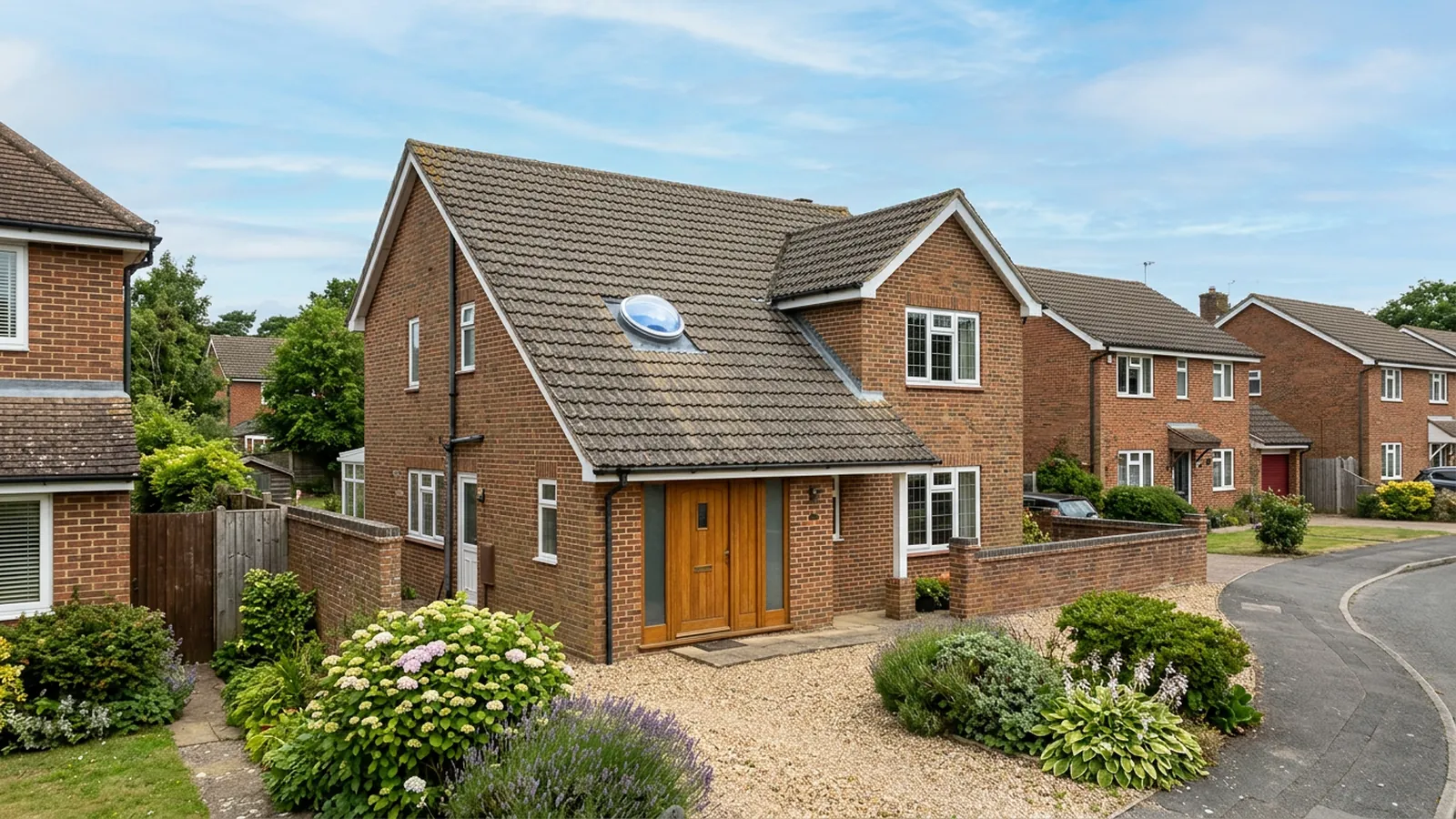
- Clear dome on the roof slope, catching daylight from the sky
- Flashing, weathered into the tiles so rain runs round the dome
- Daylight reflecting off the mirror-finish lining all the way down
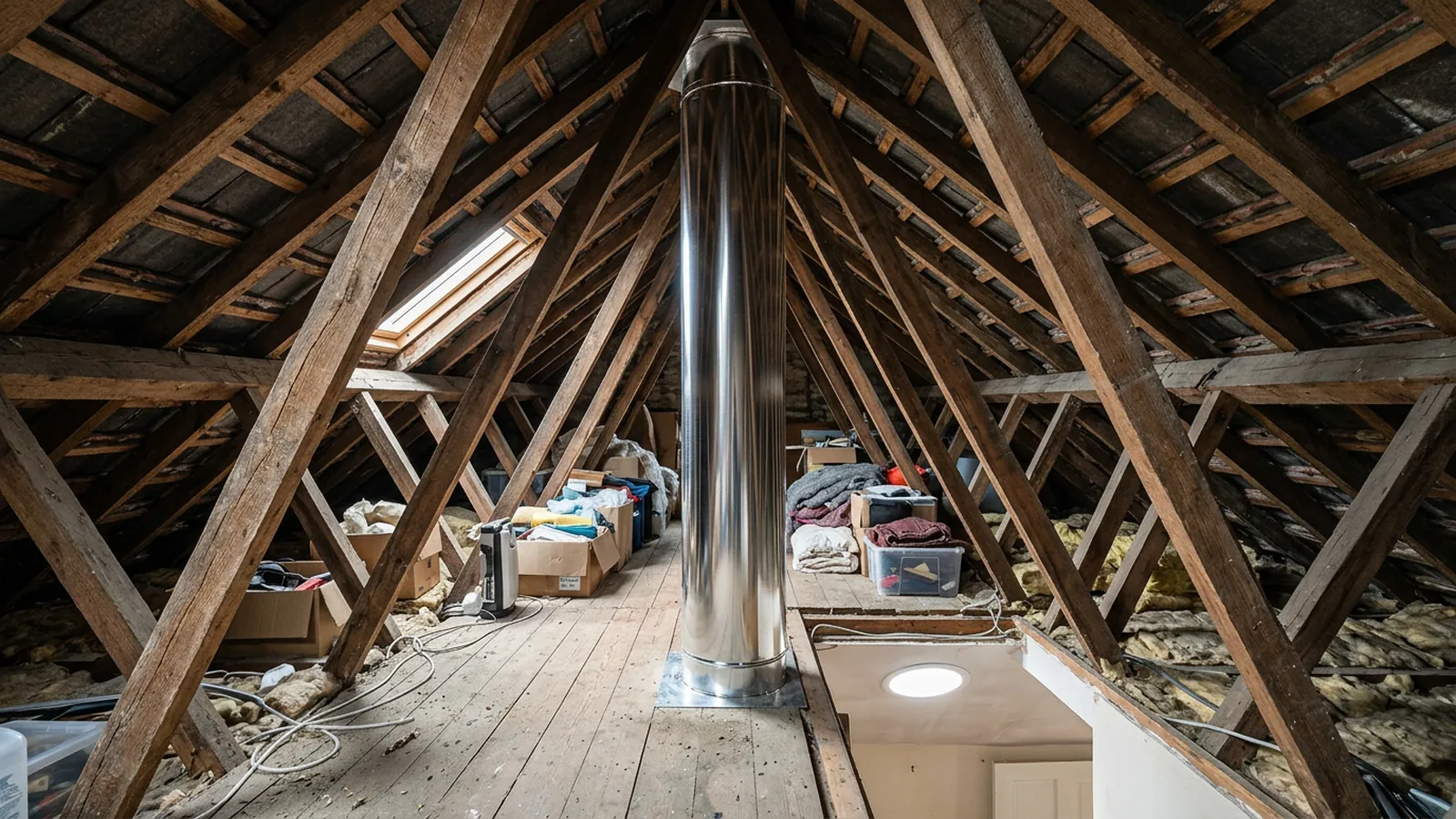
- Reflective tube, here a rigid straight run through the loft
- Loft insulation laid up to the tube, with an insulated sleeve round it to limit condensation
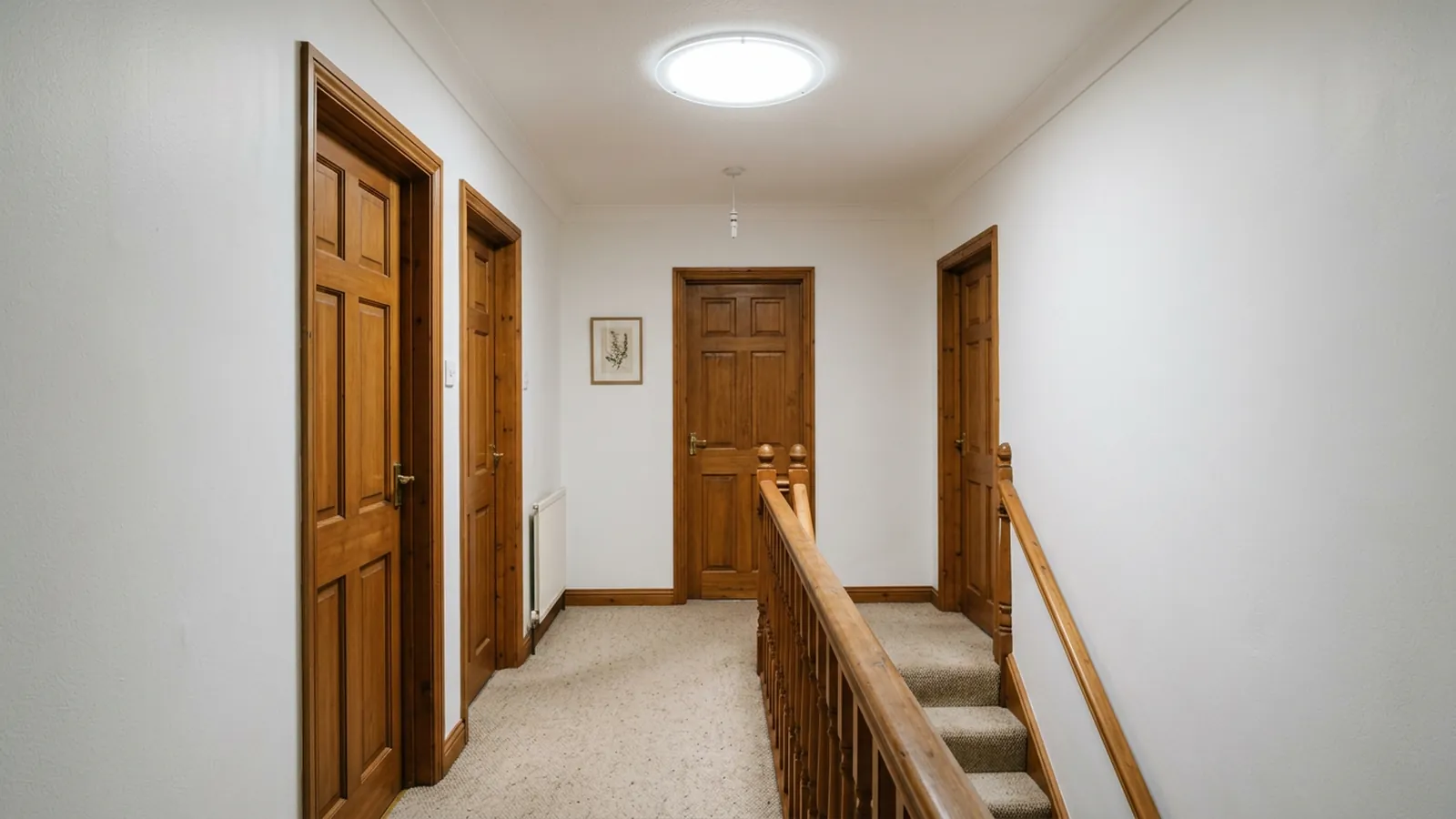
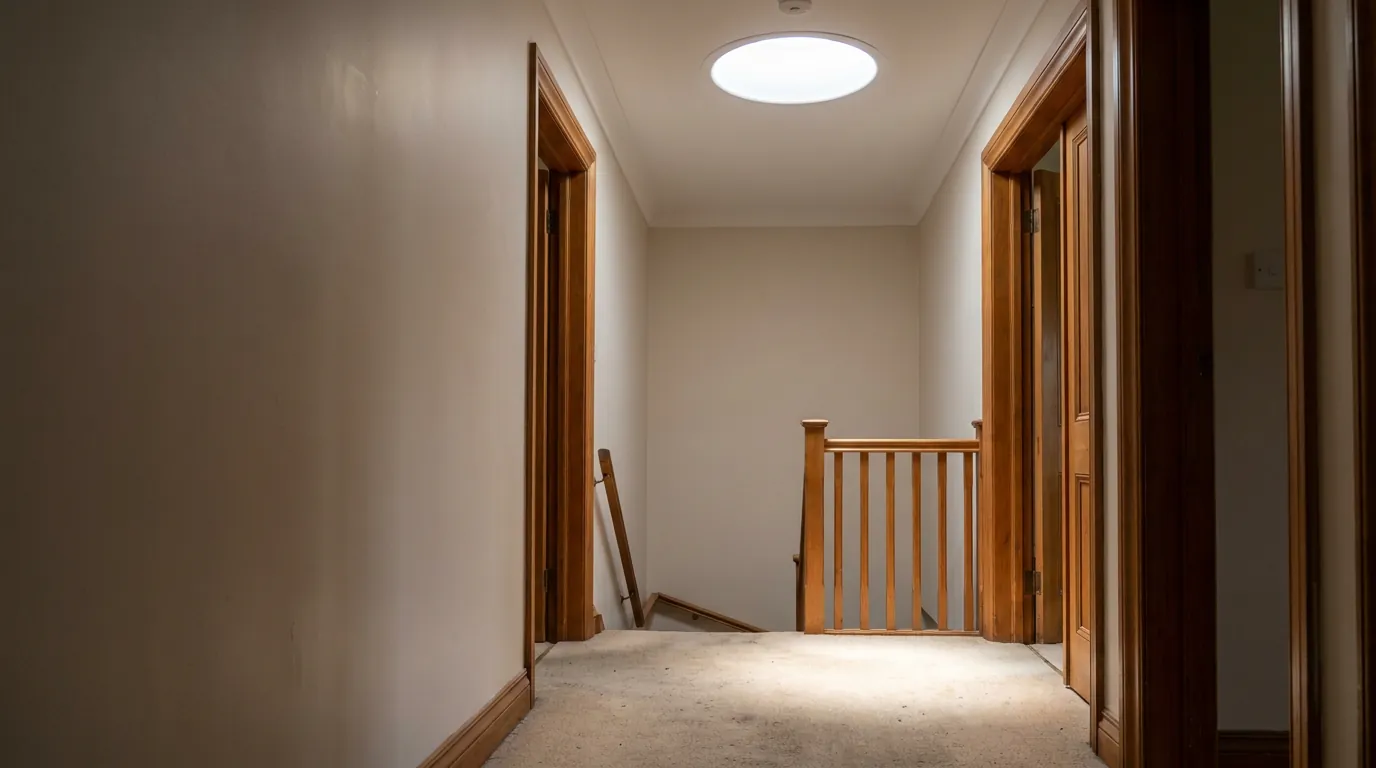
- Ceiling diffuser, spreading the light across the landing below
- Shown faint: angled elbows let the tube step round a truss or purlin, at some loss of light
Reading the maker's figures
The published maximum assumes the conditions the maker tested: the right dome, the matching tube and a sensible number of bends. It is not a promise that any route of that length will light any room. The table shows how the rating shifts with the parts chosen, using the principle rather than a brand's numbers.
| Choice | Effect on maximum run | Why |
|---|---|---|
| Rigid mirror tube | Longest rating in the range | Highly reflective, smooth wall loses little light per bounce |
| Flexible foil duct | Short rating, suited to compact voids | Ribbed surface scatters and absorbs light on every contact |
| Wider diameter | Longer rating than a narrow tube of the same type | Fewer wall strikes over the same distance |
| Each angled elbow | Reduces the usable length | Rays hit the wall at steep angles and more is lost at the turn |
If you are weighing up the two tube families, rigid or flexible sun tunnel tubes explains where each belongs. For long runs, rigid is the only sensible answer.
How the run is measured on an estate house
Length is taken from the underside of the dome to the face of the diffuser, following the tube's actual path. On the trussed roofs of Popley, Brighton Hill or Chineham, the drop to a landing ceiling is modest: the slope, the loft height at that point and the ceiling itself. Over a bungalow in Kempshott or Tadley it can be shorter still. The distance grows once the dome has to sit well up the slope to clear a valley, a soil stack or shading from a neighbour, or once the tube must cross the loft on a diagonal to reach a room near the eaves.
Trusses at 600mm centres also shape the route, since the tube passes between them rather than through them. An offset to dodge a web or a water tank adds length and a pair of elbows. How that crossing is planned is covered in can a sun tunnel bend around obstacles in the loft?
When the room is a storey below the loft
A ground floor hallway or a downstairs cloakroom in a two-storey house is where length genuinely bites. The tube has to drop through the loft, pass down through the upper floor inside a boxed chase, and emerge in the ceiling below, which adds a whole storey height to the run. Rigid tube with a wide diameter is what makes that reach possible, and even then the route has to be close to straight.
The rule: a long run only makes sense with rigid tube and the fewest possible bends. The exception is a short, awkward crossing in a shallow void, where a flexible section can link rigid lengths without costing much light.
Whether the chase can be hidden in a cupboard or wardrobe upstairs, and what that means for the room it passes through, is answered in can a sun tunnel pass through a room above?
What to do if the run is too long
Suppose the survey shows the drop sits near or beyond the tube's rating. There are several honest options, in rough order of preference.
- Step up a diameter. A wider tube carries more light over the same distance and usually has a longer rating.
- Straighten the route. Moving the dome a bay or two along the slope can remove an elbow and shorten the run at once.
- Use two smaller tubes. For a long hall, two shorter, straighter runs can light the space more evenly than one stretched tube.
- Rethink the opening. Where the space is directly under the roof slope, a roof window or rooflight may simply suit it better than any tube.
That last choice is weighed properly in are sun tunnels better than skylights?, since a skylight in the slope brings view and ventilation that a tube cannot.
Infographic
How a rooflight job runs, from survey to guarantee
Roof survey
We look at the structure, the covering and the room below before anything is priced.
Specification
A size, type and position that fits your roof, and whether the work is notifiable.
Paperwork
Building Control notified where the work needs it, and planning checked where it applies.
Installation
Opening formed, frame fixed, flashed or dressed in, then lined and finished inside.
Sign-off and guarantee
Completion paperwork where needed and a 10-year workmanship guarantee.
What the survey settles
We look at the roof before we price anything, and on this question the loft visit gives the answer. We measure the true drop from a workable dome position, trace the path between trusses, note the tanks, ducts and cables in the way, and check whether the target ceiling sits under the loft or a floor below. From there we tell you which tube, which width and which route will deliver daylight worth having, or say plainly that a roof window would do the job better. Fitting carries a 10-year workmanship guarantee (not insurance backed), and anything notifiable to Building Control is dealt with as part of the job.
If there is a dark spot in your house you have been wondering about, ask us to measure the run and you will know within one visit whether a tube can reach it.