Around Basingstoke the ridge of an estate house usually follows the line of its road, so on some streets the only slope over the loft, landing or back bedroom is the north one. That is not a reason to give up on the idea. Our main page on rooflights and skylights across Basingstoke sets out how we match the unit to the roof; this answer deals with the one question of aspect, and what it changes about the choice.
Why sky, not sun, lights a room
Daylight indoors comes from two sources: the sun itself and the whole bright dome of sky around it. A vertical window on a north wall sees only a slice of that dome, and much of the view is taken up by the house opposite or the fence. A rooflight on the same side of the house tilts its face upward, so it sees a wide sweep of sky above the rooftops. On an overcast day, which is a normal day in north Hampshire, the sky is brightest overhead rather than towards the south, so the orientation of the pane matters less than people expect.
The steeper the roof, the more the pane faces the horizon and the more aspect starts to count. On a shallow pitch, or a flat roof, a north-facing unit behaves almost like a south-facing one because it looks up rather than out.
North light is the light artists’ studios were built around: soft, shadow-free and much the same from morning to evening.
Sizing a roof window to the truss bays
- Fink trussed rafter, factory made and designed to work as one whole frame
- W-shaped webs, joined at every node by pressed metal nail plates
- Tile covering on battens over the underlay
- Roof window set in the slope, fitted between trusses so the frame is untouched
- Narrow roof window sitting in the bay between two trusses
- Trusses at even 600mm centres along the roof
- No truss cut: the trusses either side of the window stay whole
- A wider window crosses a truss, so the cut needs designed trimming from an engineer or the truss maker
North against south: what actually changes
| What you notice | North-facing slope | South-facing slope |
|---|---|---|
| Quality of light | Even and diffuse, little change through the day | Bright shafts of sun that move across the room |
| Glare | Rarely a problem, easy on screens and eyes | Can be strong at midday, often needs a blind |
| Summer heat | Little solar gain, room stays cooler | Noticeable gain unless the glass controls it |
| Winter warmth | No free heat from low winter sun | Some welcome warmth on clear days |
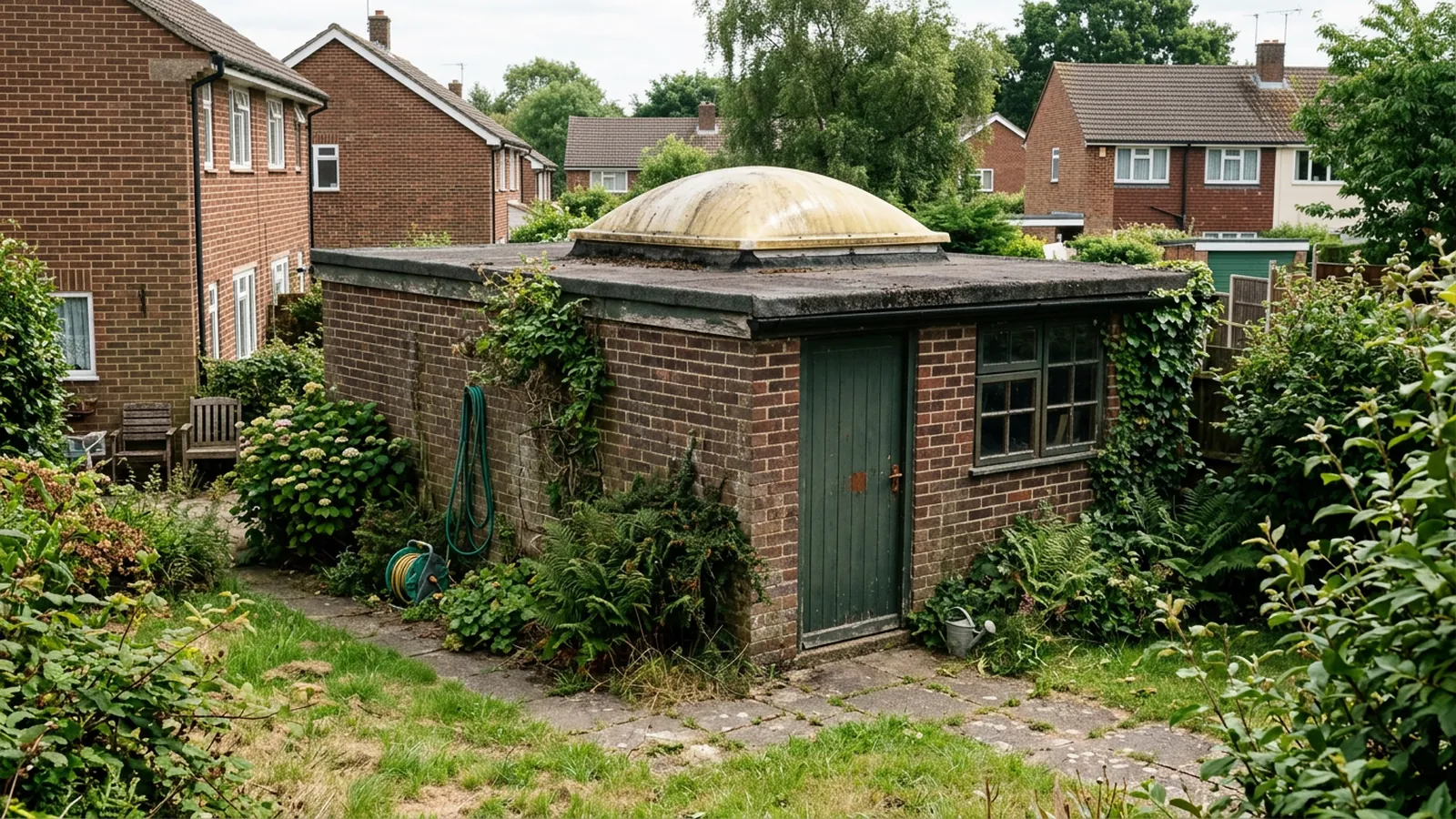
| Outside of the pane | Stays damp and shaded longer, so green growth can build up on the frame | Dries quickly after rain |
Neither column is better in every room. A home office, a studio or a bedroom that overheats in July often suits the left-hand column. A cold kitchen that wants cheering up in February may prefer the right, if the house gives you the choice.
Rooms where a north rooflight shines
Because the light hardly shifts, a north pane is good wherever you work or rest in the same spot all day. A loft room used as a study, a craft space or a room with a television benefits from light that never throws a hot stripe across the desk. A top-floor bedroom stays cooler on summer nights, and our answer on whether a skylight suits a bedroom covers blackout blinds and ventilation for that use. Landings and stairwells, which usually have no wall window at all, gain far more from any overhead glass than they lose by facing away from the sun.
The rooms where aspect deserves more thought are those that already feel chilly and dim, such as a north-facing kitchen at the back of a 1970s semi. There, a larger pane, or two panes side by side, makes up for the missing sunshine. Sizing is its own question, answered in what size skylight a room needs.
Getting the glass right on the cold side
A north pane gives back no solar warmth, so its heat loss is not offset by anything. That makes the insulating performance of the unit more worth paying attention to here than on a sunny slope. Low-emissivity double or triple glazing and a well insulated frame keep the inner surface warmer, which helps both comfort and condensation. The same warmer inner pane matters because a shaded outer face is cooler, and moist room air meets it for longer. Why that happens, and how trickle ventilation helps, sits in why skylights get condensation.
The rule: on a north slope, spend on the glazing rather than on solar-control coatings, which are designed to block sun this pane barely sees. The exception is a very shallow pitch or a flat roof, where the pane looks almost straight up and takes summer sun whichever way the house faces.
Self-cleaning outer glass is worth considering too. A north pane dries slowly, and the coating helps rain carry grime away rather than leaving it to settle.
Other ways to bring light in from the north
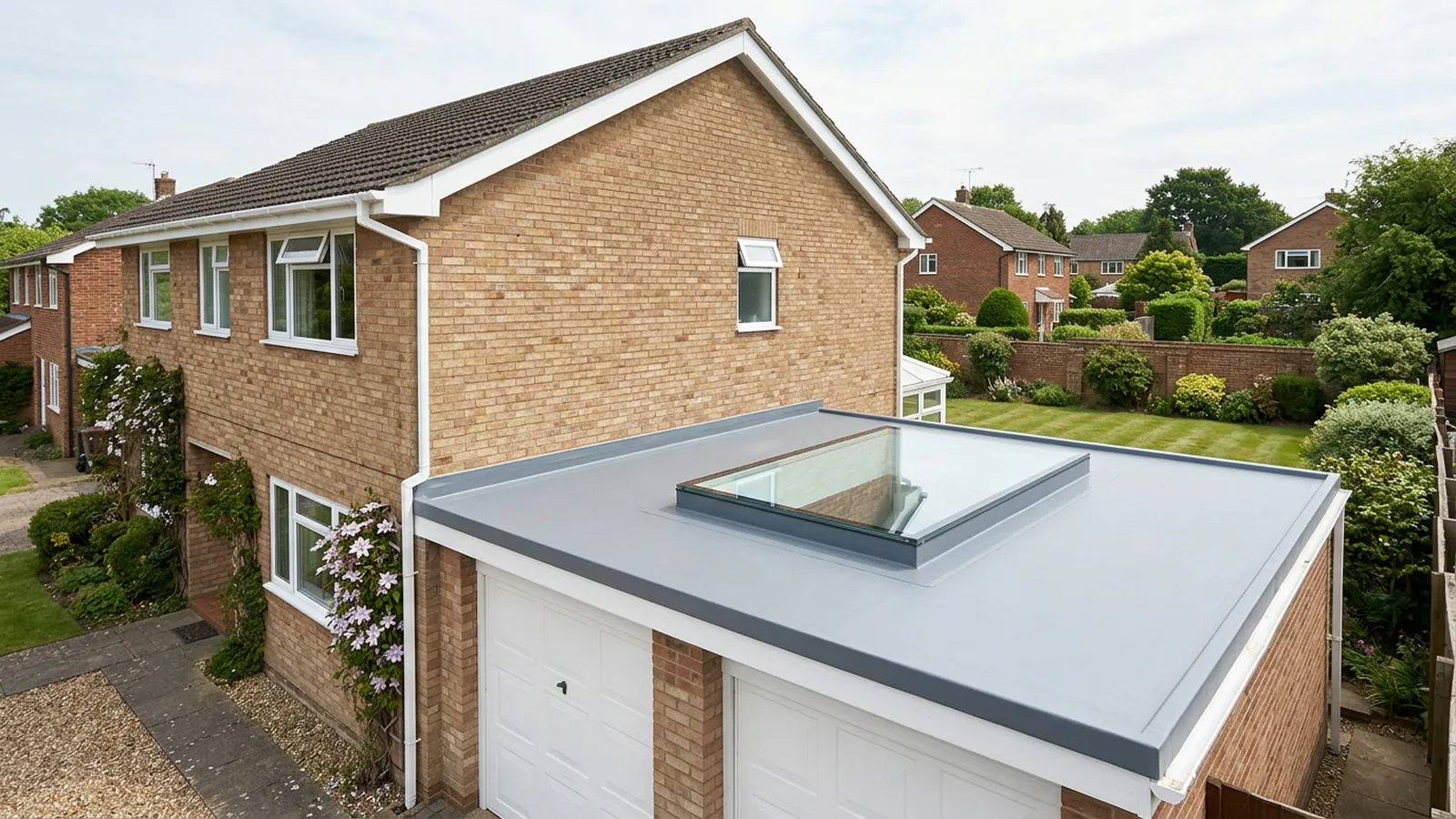
If the north slope is the only one over the room and a roof window will not sit where you want it, a sun tunnel collects light at roof level and carries it down a reflective tube; our sun tunnel installation page explains where that works. For a single-storey extension, a flat rooflight or lantern largely sidesteps the aspect question because it faces the sky. On a pitched roof, the house-by-house view in our guide to which skylight suits which house shows how bungalows, townhouses and estate semis each tend to be handled.
What the survey settles
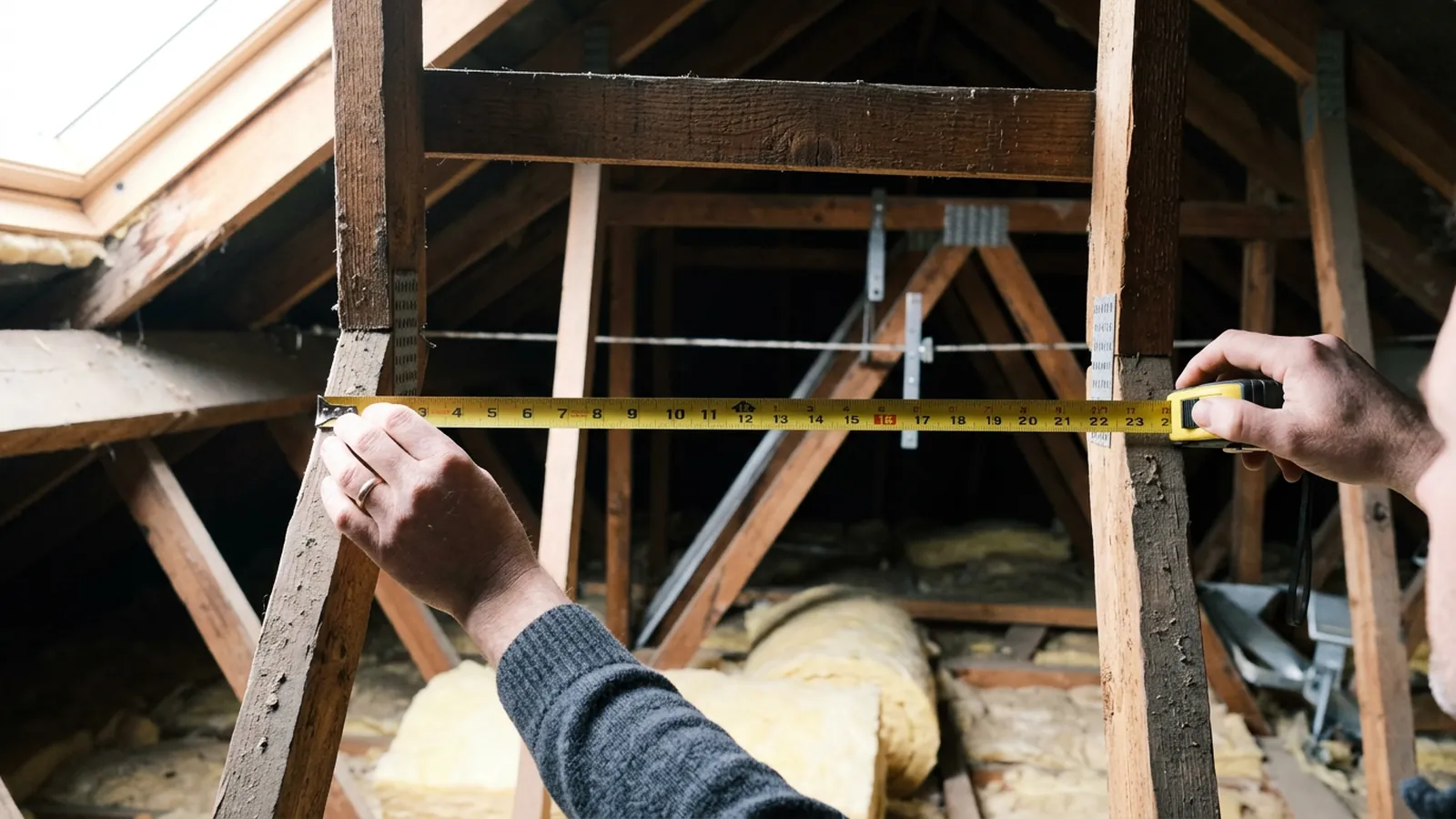
Aspect is one input among several. At the survey we check which way the slope faces and how steep it is, whether neighbouring roofs or trees shade it, the spacing of the timbers (on a trussed estate roof, usually 600mm centres, which decides the widths that fit between them) and the tile or slate the flashing must suit. You then get a written quote for the rooflight that fits that roof and that room, with the orientation already weighed.
A north-facing slope is a perfectly good home for a skylight; it simply rewards a slightly different specification. To see what yours would give you, arrange a survey of the roof.