A homeowner asking this usually wants reassurance that a thicker unit means a warmer loft room. The honest reply is that the depth of the unit is a side effect of how it is built, not the measure of how well it performs. Our energy efficient rooflights service page sets out how we choose glazing for a room; this answer looks only at what sits inside the frame and why its depth varies.
What the thickness is made of
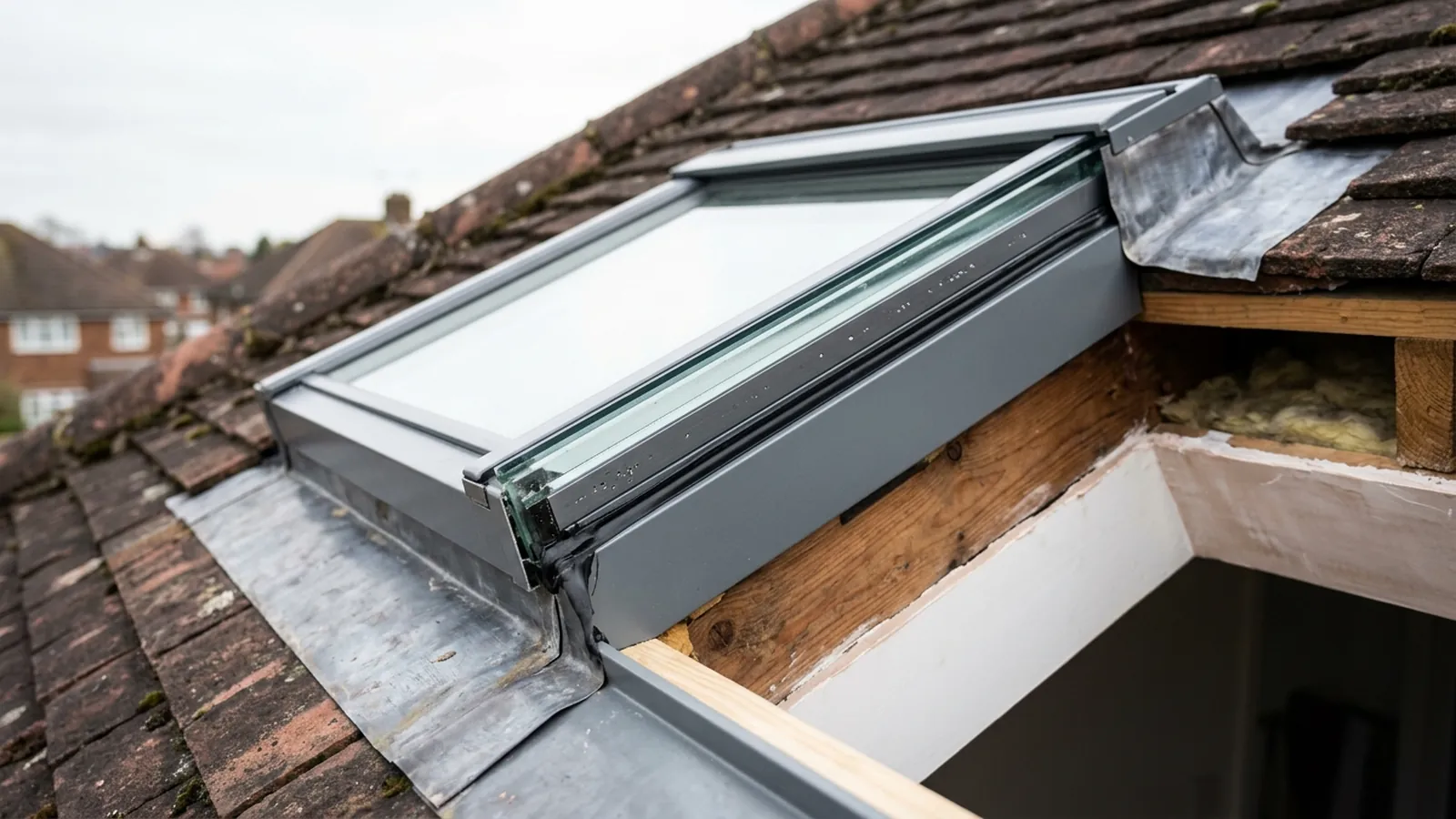
Pick up the spec sheet for any modern skylight and the glazing is described layer by layer. Each layer has a job, and each one adds to the total depth.
| Layer | What it is | Why it is there |
|---|---|---|
| Outer pane | Toughened glass, often carrying a coating on its inside face | Takes rain, hail and frost, and toughening makes it far stronger than ordinary float glass |
| Cavity | A sealed gap held open by a spacer bar and filled with argon or another inert gas | Slows heat moving from the warm pane to the cold one; this gap does most of the insulating |
| Middle pane | A further sheet of glass on triple glazed units, with a second cavity | Adds another barrier to heat flow, at the cost of weight and depth |
| Inner pane | Laminated glass: two thin sheets bonded to a clear interlayer | Overhead glazing should hold together if it breaks, so fragments stay in place above the room |
Add those up and a triple glazed unit is plainly deeper than a double glazed one, and a unit with wide cavities is deeper than one with narrow ones. None of that makes the thicker one automatically better.
How a sealed rooflight unit works and fails
- Outer and inner glass panes, with the outer pane facing the weather
- Low-emissivity coating on one inner face, reflecting heat back into the room
- Warm-edge spacer bar holding the panes apart, filled with desiccant to soak up trace moisture
- Primary seal against each pane, backed by the secondary seal around the edge
- Dry sealed cavity, the insulating layer between the panes
- Broken edge seal: moist air gets in and the desiccant becomes saturated
- Mist and droplets trapped between the panes; they cannot be wiped off and the sealed unit needs replacing
- Inset: condensation on the room-side face of the glass is a ventilation or humidity issue, not a failed unit
Why a deeper unit is not always a warmer one
Glass itself is a poor insulator. A thicker pane barely changes how much heat escapes; the gas in the cavity, the low-e coating on the glass and the spacer at the edge do that work. So two units of similar depth can perform quite differently, and a slimmer unit with a good coating and argon fill can beat a chunkier one without them.
The rule: compare rooflights by their whole-window U-value, not by how thick the glass looks. The exception is structural: where the glazing has to carry weight or span a large opening, extra glass thickness is there for strength, and the thermal figures still come from the rest of the build-up.
Cavity width has a sweet spot too. Widen the gap beyond the point the maker designed for and the gas inside starts to circulate, carrying heat across rather than stopping it. That is why manufacturers settle on set cavity sizes rather than making the gap as wide as the frame allows. Which gases they use, and why a heavier one can work in a narrower gap, is explained in our guide to argon and krypton filled rooflight glazing.
Double against triple: where the extra depth goes
The biggest jump in thickness comes from moving to triple glazing. That third pane and second cavity make the unit deeper and noticeably heavier, which affects the frame, the hinges and, on an opening window, how the sash balances. The rooflight makers design their triple glazed ranges around this, so the frame is matched to the unit it carries.
Whether that extra layer earns its place in your room depends on how the space is used, which way the slope faces and how much of the roof is glass. The comparison in full lives in our guide to double or triple glazed rooflights, and the shorter verdict is in is triple glazing worth it in a rooflight?
On a trussed estate roof the width of the window is usually set by the gap between trusses at 600mm centres, so the glazing specification is one of the few things left to tune. A deeper, better insulated unit fits the same between-the-trusses frame width, which makes it a sensible lever to pull when the opening cannot grow.
Laminated inner panes and the safety question
Much of the extra thickness in an inner pane comes from lamination rather than from insulation. Two sheets bonded to an interlayer make a pane that cracks but stays in one piece, which matters when the glass sits above a bed, a desk or a stairwell. That interlayer adds a little depth and a little weight.
It is tempting to assume the laminated layer also keeps heat in. Its effect on warmth is small next to the cavity and coating, and we cover that directly in does laminated glass make a rooflight warmer? What lamination does give you is safety overhead and, as a bonus, some reduction in rain drumming and outside noise.
Flat roof units and walk-on glass
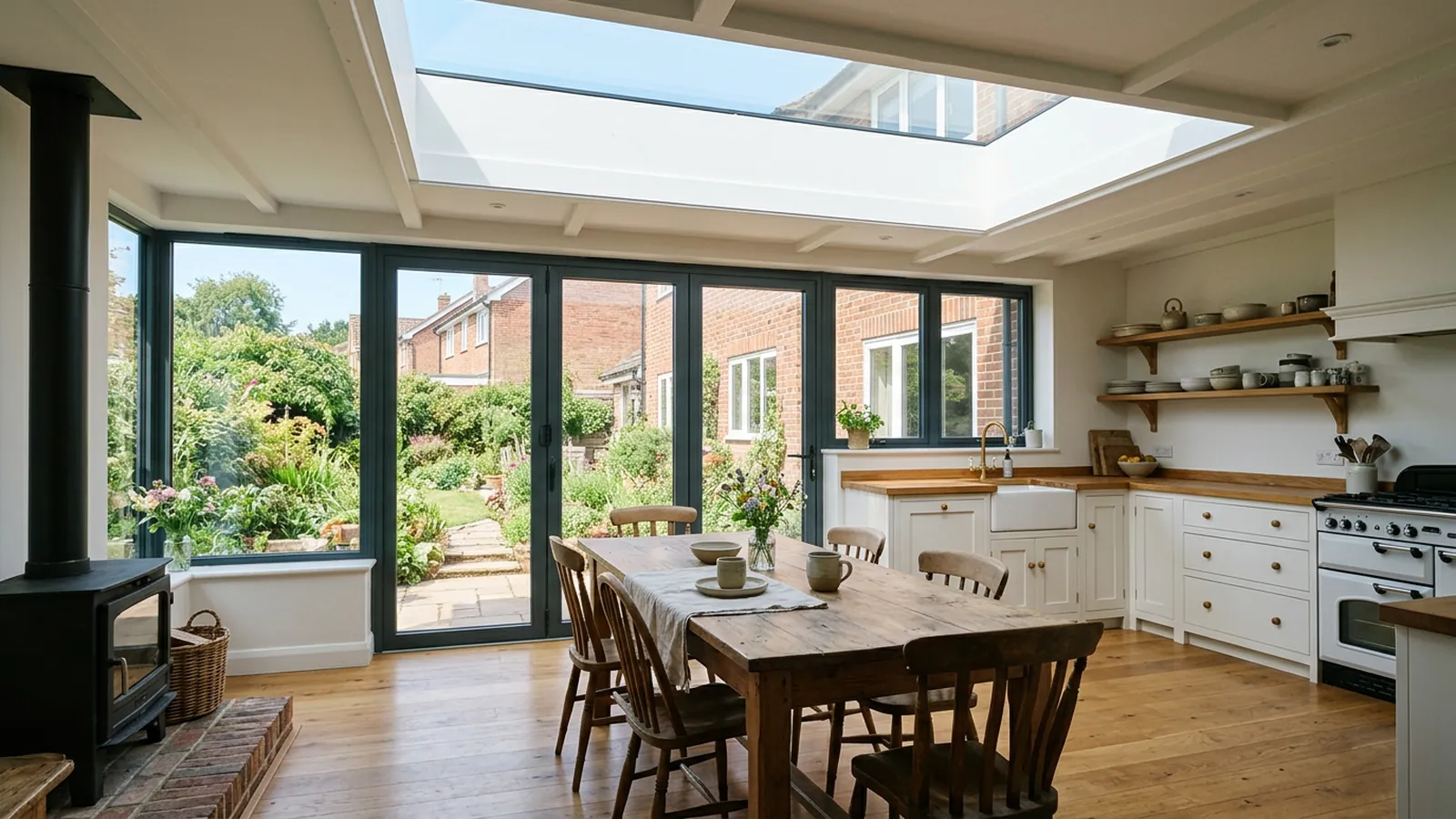
A flat rooflight on an extension works to a different brief from a pitched roof window. The glass lies nearly level, rain sits on it longer, and larger single panes are common, so the outer pane is often thicker to span the opening and cope with standing water and snow load. The unit is still a sealed double or triple glazed build-up underneath.
Walk-on glazing sits at the far end of the scale. It is designed to carry people, so the top layer is a heavy laminated structural pane, and the whole unit is far deeper than any pitched skylight. That depth is for strength, and its thermal performance is still set by the sealed unit beneath. If a walk-on panel is part of your plans, our walk-on rooflight installation page covers how it is specified.
Reading the numbers on a quote
When a spec sheet or quote lists the glazing, look for three things rather than one:
- The build-up. Pane, cavity, pane (and a second cavity and pane if triple), with the gas fill named. This tells you how the unit is made.
- The U-value. Ideally for the whole window, frame included, since that is what Building Control and Part L look at. Our answer on what U-value a new rooflight should have gives the target to aim for.
- The inner pane type. Laminated for overhead safety, and the outer pane toughened.
If a quote gives only a thickness, ask for the other two. A figure in millimetres with no U-value beside it tells you how deep the glass is and nothing about the heating bill.
When we survey, we match the glazing to the room, the pitch and the roof structure, then put the build-up and U-value in writing so you can compare like with like. To have that done on your own roof, book a roof survey and we will specify the unit around the room rather than around a number on a tape measure.