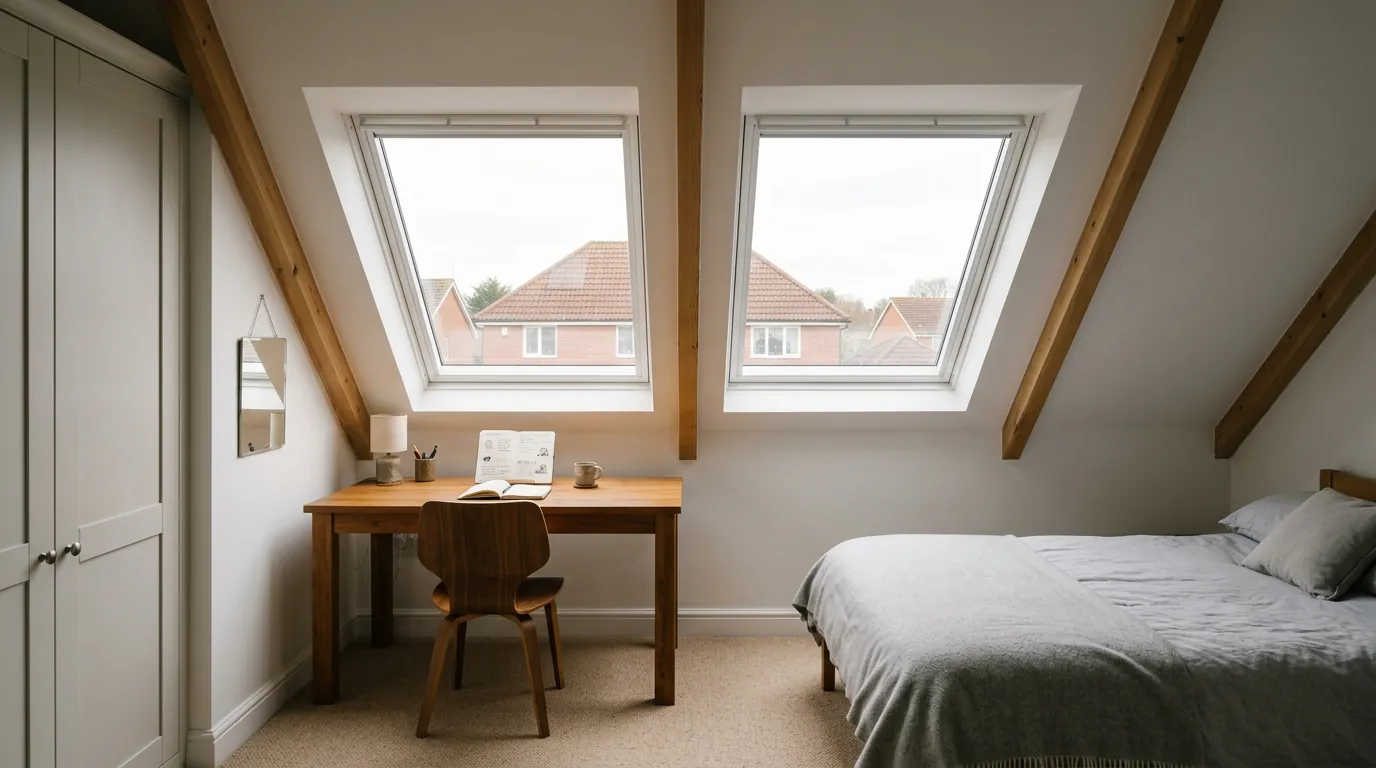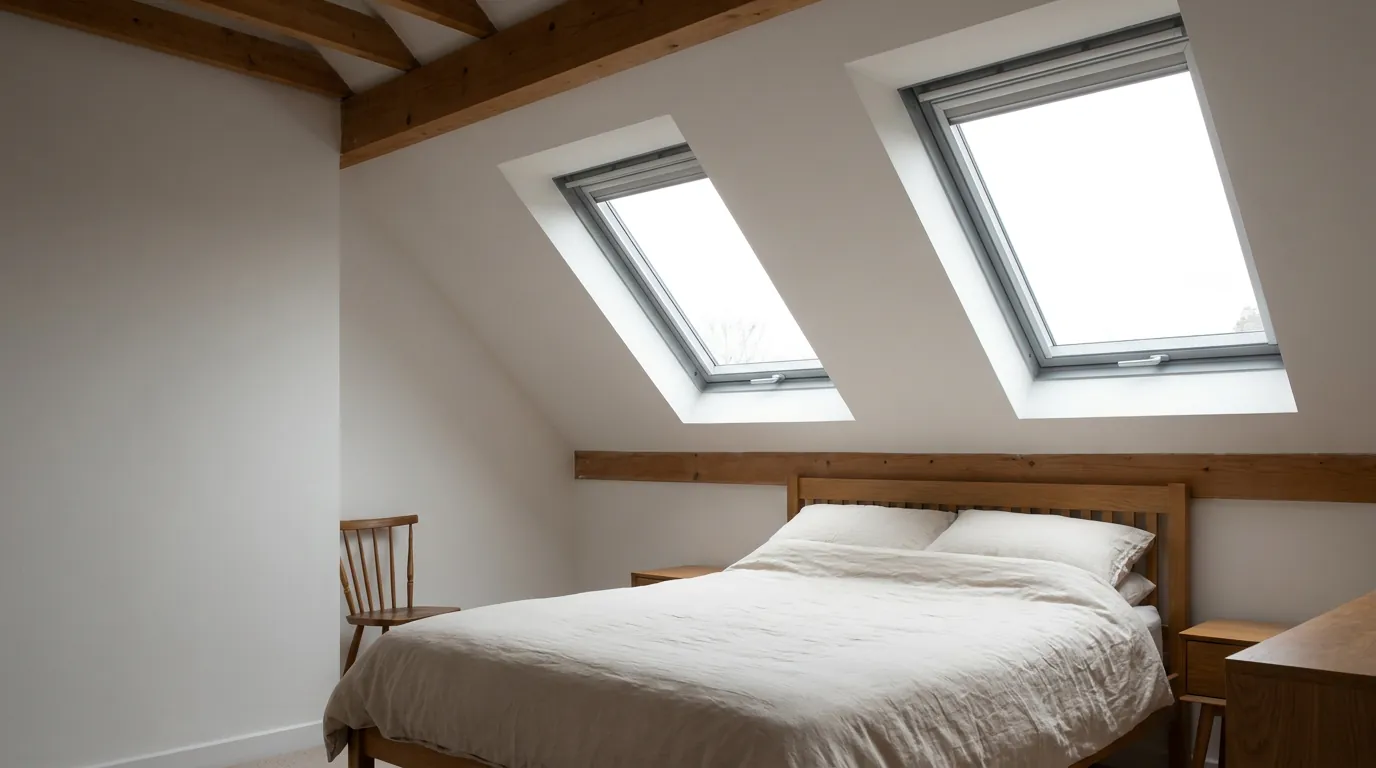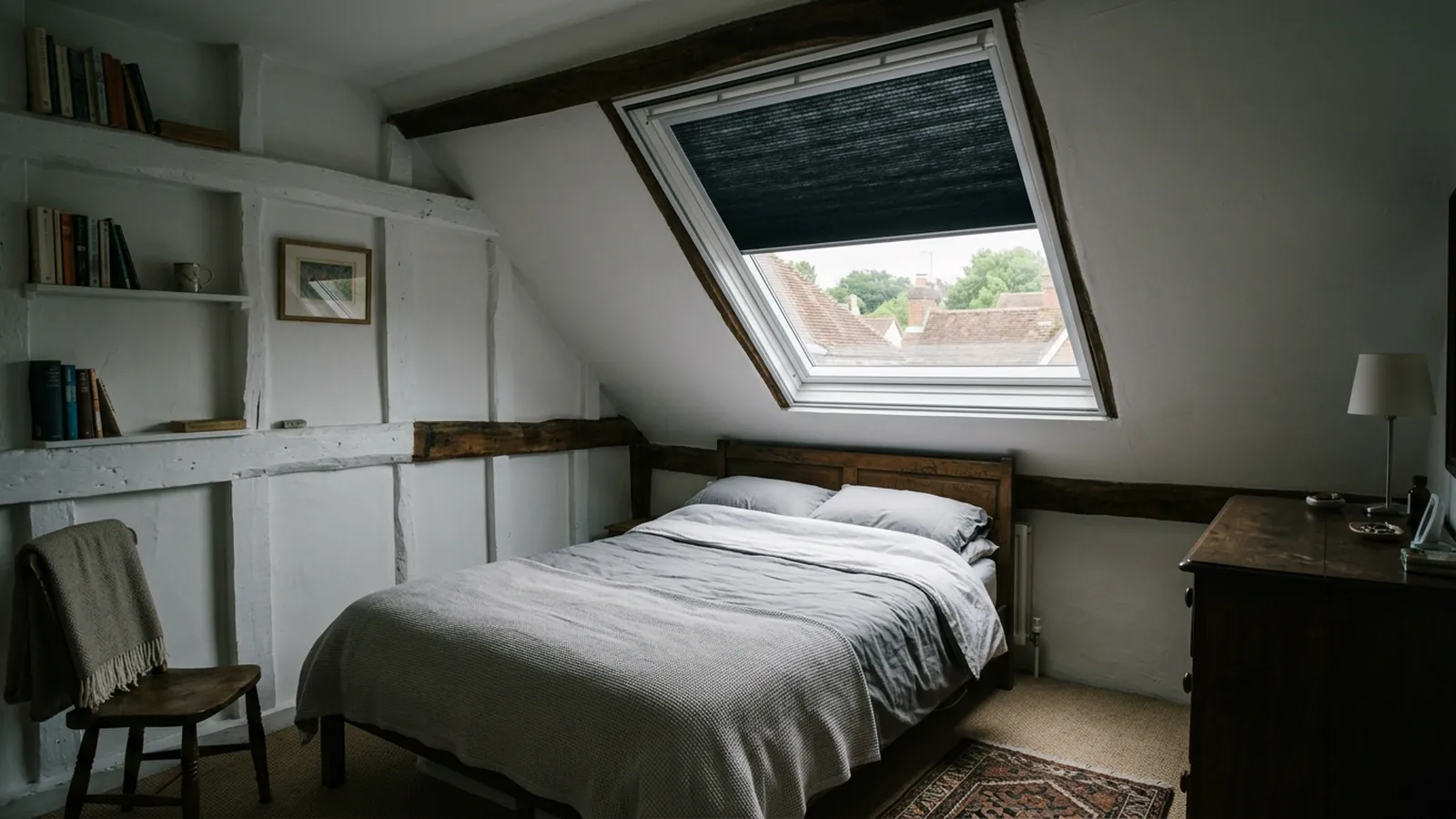
The confusion is understandable. Anyone who has had new windows downstairs will have been handed a FENSA certificate at the end, and a roof window looks like just another window. In paperwork terms it often is not. This page sorts the two situations apart for owners around Basingstoke; the wider picture of fitting a roof window, from truss spacing to flashing, sits on our VELUX window installation page.
What a FENSA certificate actually proves
In England, replacing a window is building work that has to meet the Building Regulations, mainly on thermal performance. There are two ways to show that it does. The first is to notify the local authority's Building Control team, who check the work. The second is for the installer to be registered with a government-authorised competent person scheme, which lets them self-certify work inside the scheme's scope. FENSA is the best known of those schemes for windows and doors, and there are others.
When a registered installer self-certifies, the scheme records the job, tells the local authority, and posts a certificate to the homeowner. So a FENSA certificate is simply evidence that a replacement window was declared compliant through that route. It says nothing about structure, because replacement work inside an existing opening does not touch the structure.
Sizing a roof window to the truss bays
- Fink trussed rafter, factory made and designed to work as one whole frame
- W-shaped webs, joined at every node by pressed metal nail plates
- Tile covering on battens over the underlay
- Roof window set in the slope, fitted between trusses so the frame is untouched
- Narrow roof window sitting in the bay between two trusses
- Trusses at even 600mm centres along the roof
- No truss cut: the trusses either side of the window stay whole
- A wider window crosses a truss, so the cut needs designed trimming from an engineer or the truss maker
Which situation is yours
The answer turns on one question: is there already a roof window in the spot where the new one is going? This table sets out the usual routes.
| The job | What the regulations look at | Certificate you end up holding |
|---|---|---|
| New VELUX, new opening in the roof | Structure around the opening, thermal performance, and escape where the room is a habitable loft | A Building Control completion certificate |
| New VELUX as part of a loft conversion | The whole conversion, with the windows as one part of it | The conversion's Building Control completion certificate |
| Old VELUX swapped in the same opening | Mainly the thermal standard of the new unit | Either a competent person scheme certificate or a Building Control certificate |
| Larger VELUX, opening widened | The altered structure, so it is treated like a new opening | A Building Control completion certificate |
A new opening is structural work
Cutting a fresh hole in a roof means removing battens and covering, and on the post-war estates around Basingstoke it means working within trussed rafters, usually at 600mm centres. Whether the window sits between two trusses or needs designed trimming, the roof structure is being altered, and that falls outside what any window replacement scheme covers. A competent person scheme for glazing cannot certify it, however experienced the fitter.
So for a first skylight on a Hatch Warren semi, or a rooflight going into a Popley loft, the route is a Building Control notification, usually by building notice for a straightforward job, with an inspection and a completion certificate at the end. On this kind of job, Everlight sends that notification before work starts and arranges the inspection, so the certificate follows without you chasing it. If your home is new enough to still be under a housebuilder warranty, check its terms first; the answer on newer roofs covers what to look for.
The rule: a window scheme certificate covers glass going into a hole that already exists. The exception runs the other way: the moment the hole is new or made bigger, the paperwork comes from Building Control instead.
Swapping an old VELUX in the same opening
This is the one case where a FENSA certificate can be the right document. A replacement roof window is a controlled fitting, so the new unit must meet the current thermal standard, but the structure is left as it was. A scheme-registered installer can self-certify that, or the job can be notified to Building Control in the ordinary way. Both give you a valid certificate, and neither is better in law.
Where a replacement is fitted by us, the notification is sent to Building Control and the certificate arrives from the council. What matters is that some certificate exists. The practical side of a same-opening swap, including matching the old frame size to a current model and reusing or renewing the flashing, is set out in our guide to upgrading an old VELUX.
Why the certificate matters later
A buyer's solicitor will ask for evidence that building work complies. For a roof window in a new opening, a FENSA certificate would not answer that question even if one existed, because it only describes window replacement. The document they are looking for is the completion certificate, which confirms the structural work was notified and signed off. Missing paperwork can delay a sale or lead to an indemnity policy being suggested, so keep the completion certificate with the house deeds and your guarantee.
- Before work starts. Ask which route the job is going through and who sends the notification.
- During the job. Expect a Building Control inspection where the roof is opened for a new window.
- After completion. File the completion certificate, the window's product details and the workmanship guarantee together.
Our own paperwork adds a 10-year workmanship guarantee, which is not insurance backed; it sits alongside the certificate rather than replacing it.
Other rules that are easy to mix up
Building Regulations and planning permission are separate systems. A certificate of either kind says nothing about planning, which depends on where the roof faces, whether it projects, and whether the house sits in a conservation area such as Old Basing or Odiham. That is dealt with in do VELUX windows need planning permission? A separate question is who should do the fitting, and can a roofer fit a VELUX window? answers it fairly.
If you want a second opinion on the wider service before deciding, our rooflight installation around Basingstoke homepage explains how each job is scoped by roof type. When you are ready to know which certificate your own skylight will need, arrange a survey of the roof and the route will be settled before any quote is written.