Heat is rarely the first thing people notice about a cloudy skylight. The fog is. But once you see it, the next thought is usually about the heating bill, and it is a fair one to ask before deciding what to do. Our misted and failed rooflight replacement service deals with the whole picture, and this page sticks to the energy side of it: what changes inside the glass when the seal fails, how much that matters, and what else in the same opening is quietly costing you warmth.
What changes inside the unit when it mists
A sealed unit is two or three sheets of glass held apart by a spacer bar, with a seal round the edge that keeps the cavity dry. On most units made in recent decades that cavity was filled with argon rather than air, because argon moves heat more slowly. The room-side pane usually carries a thin low emissivity coating that reflects warmth back into the house.
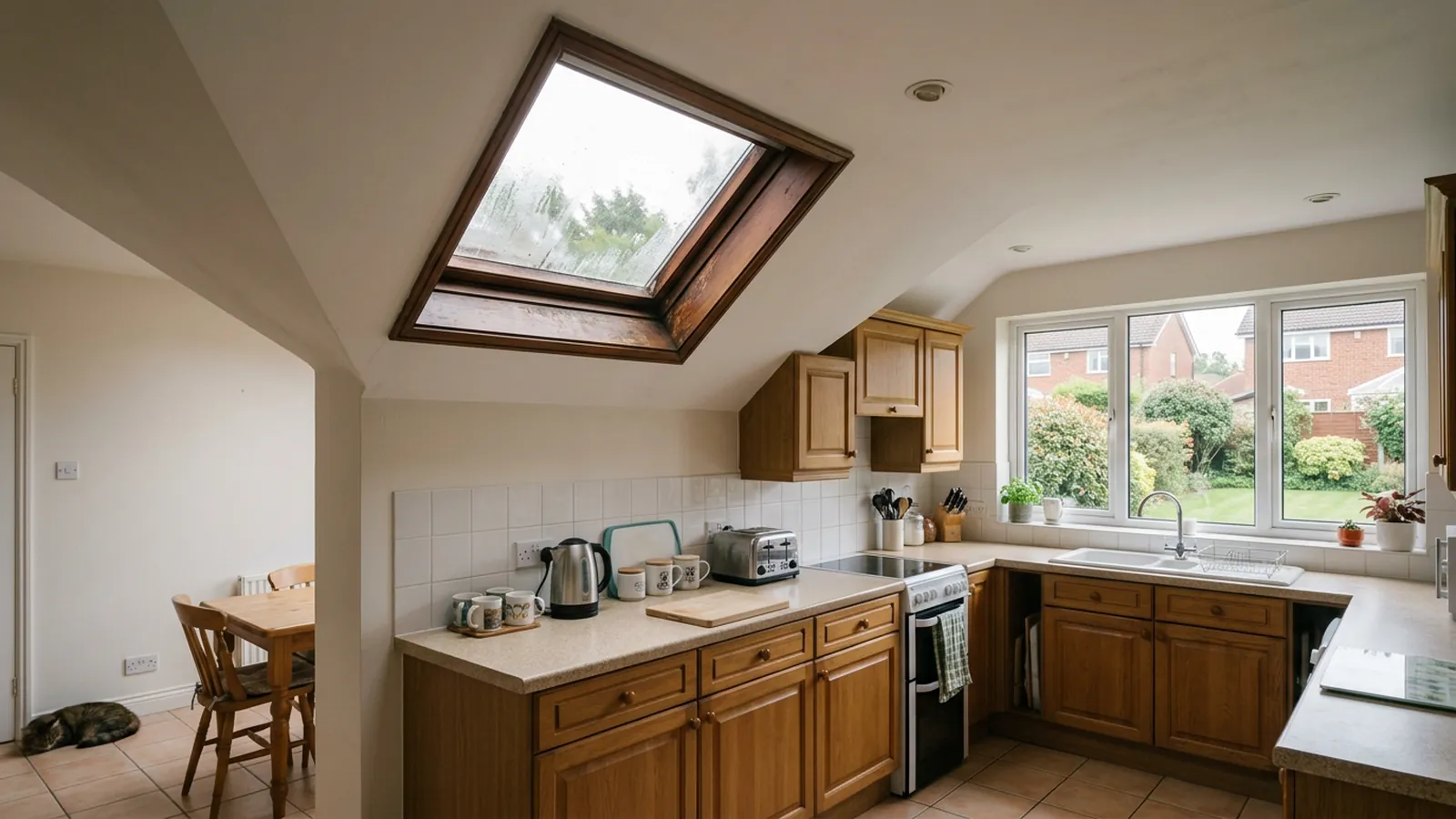
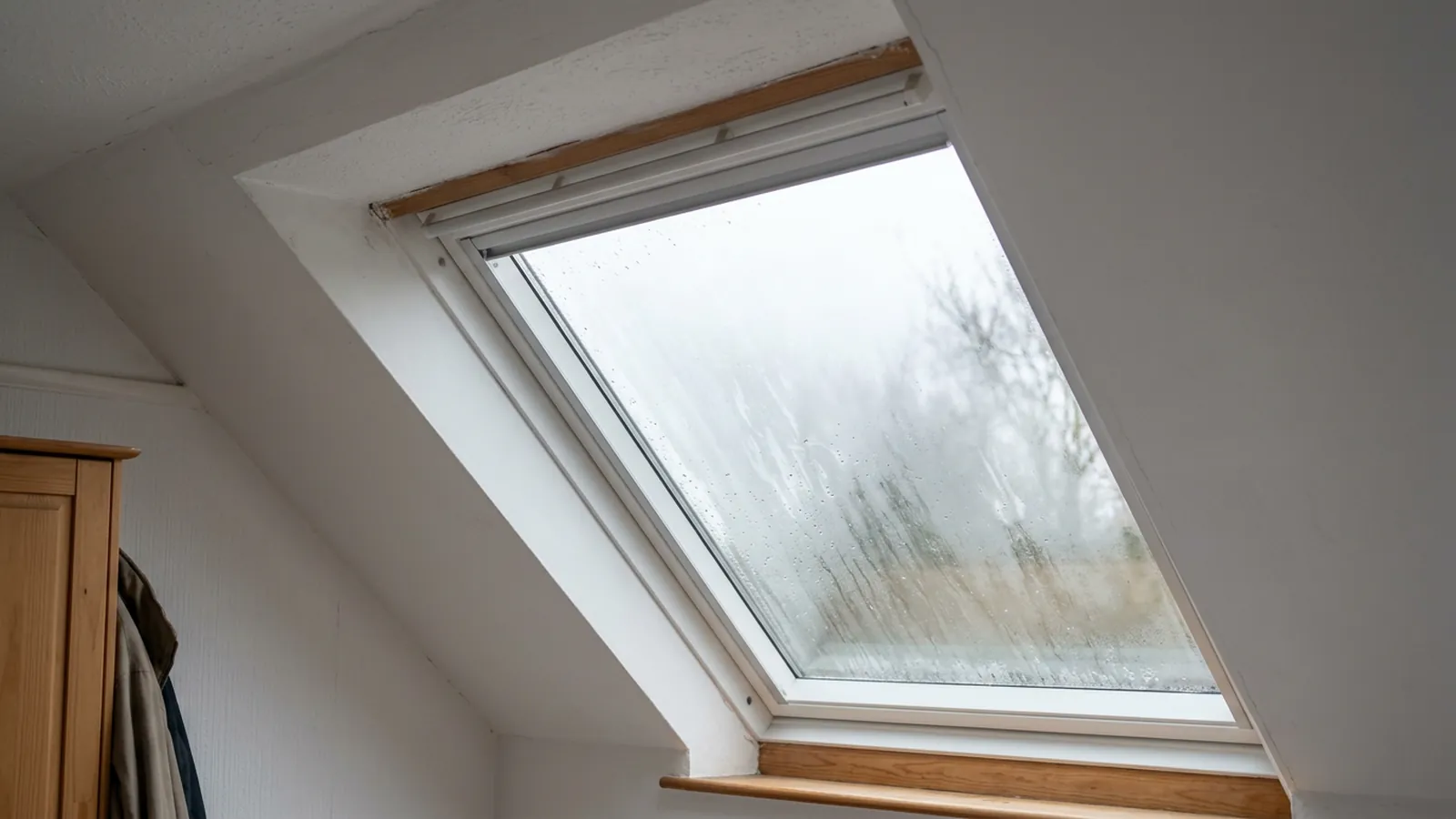
When the edge seal fails, the unit starts breathing. Warm days push air out, cold nights draw damp air in, and the desiccant inside the spacer bar eventually fills up. From then on moisture condenses on the inner faces as the glass cools, which is the mist you can see. The reasons a seal gives up are covered in our guide to why a rooflight mists between the panes, so here we will stay with the consequences.
| Part of the unit | Sealed and working | Seal failed and misting |
|---|---|---|
| Cavity gas | Argon or dry air, held in by the edge seal | Gas slowly mixes with outside air carrying moisture |
| Low emissivity coating | Protected inside the dry cavity | Exposed to moisture, which can dull or mark it over time |
| Inner glass surfaces | Clear, no condensation | Wet or fogged as the pane cools, with white deposits once it dries |
| Room-side pane | Stays closer to room temperature | Can run colder, so condensation forms on the inside face more readily |
How a sealed rooflight unit works and fails
- Outer and inner glass panes, with the outer pane facing the weather
- Low-emissivity coating on one inner face, reflecting heat back into the room
- Warm-edge spacer bar holding the panes apart, filled with desiccant to soak up trace moisture
- Primary seal against each pane, backed by the secondary seal around the edge
- Dry sealed cavity, the insulating layer between the panes
- Broken edge seal: moist air gets in and the desiccant becomes saturated
- Mist and droplets trapped between the panes; they cannot be wiped off and the sealed unit needs replacing
- Inset: condensation on the room-side face of the glass is a ventilation or humidity issue, not a failed unit
So how much warmth is actually lost?
Less than the look of it suggests. A double glazed unit with its gas gone is still two panes and a cavity, and it still insulates far better than a single sheet of glass. What you lose is the margin that made it a better unit: the gas fill and, if moisture has attacked it, some of the coating's effect. The drop is real, and it grows slowly as the seal gets worse, but no honest installer can put a figure on your particular skylight without knowing what the unit was to begin with.
Where it becomes noticeable is in how the room feels. A colder inner pane pulls warmth from the air beside it, and on a sloping roof window that cool air slides down the glass towards you. In a loft bedroom or a landing with a rooflight overhead, that can read as a draught even when nothing is open. Condensation on the room side of the glass on cold mornings is another sign the inner pane is running cooler than it should.
Worth knowing: the mist itself is the symptom. The heat loss is caused by the missing gas and a tired coating, so wiping or drying the cavity would not bring the performance back even if it were possible. Our answer on whether misted rooflight glass can be cleared goes into that.
The frame often loses more than the glass
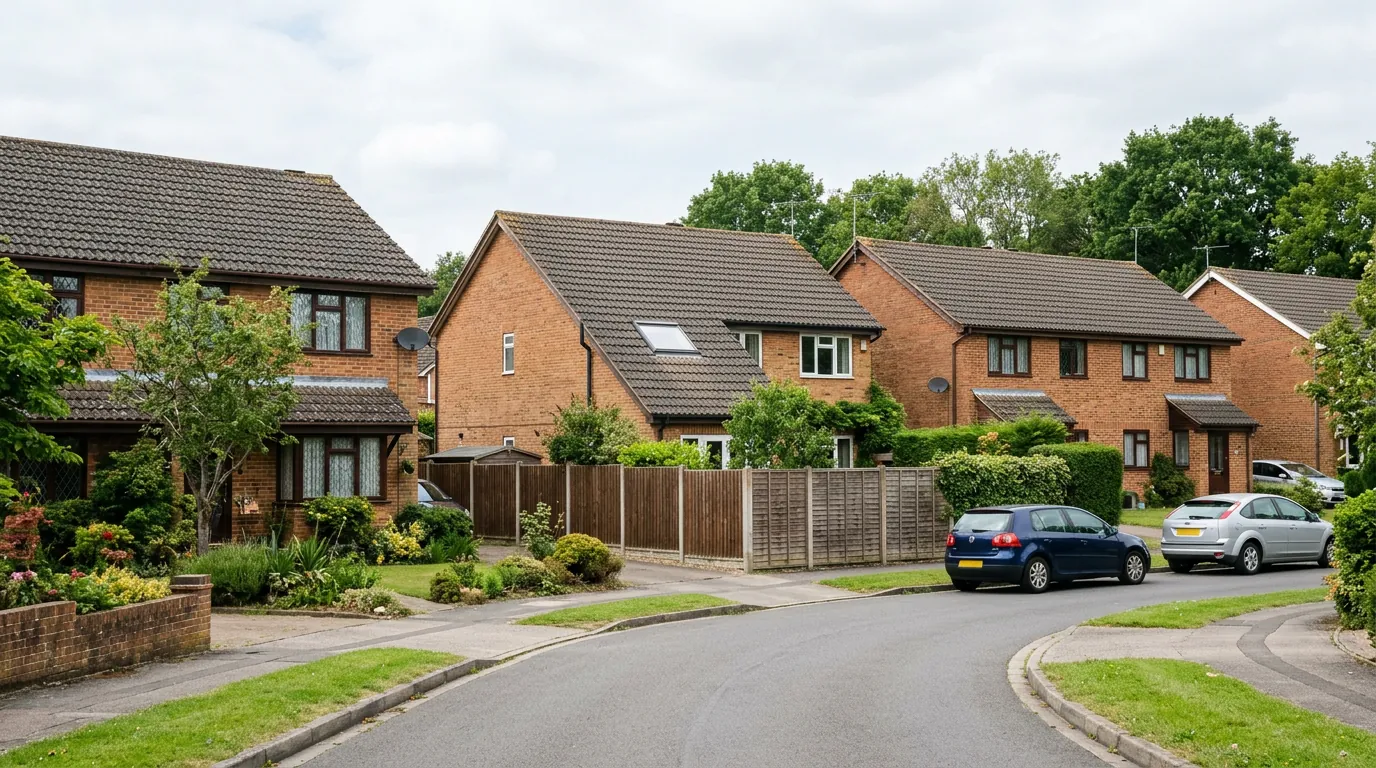
A rooflight that has been up long enough for its seal to fail has usually aged in other ways too. On the 1970s and 1980s estates around Basingstoke, from Popley and Oakridge to Brighton Hill and Lychpit, the original roof windows and domes are often at the point where the glass is the least of it. Check these before blaming the fog for a cold room:
- Gaskets and weather seals. Perished rubber round an opening sash lets cold air straight through, which you feel far more than any change in the glass.
- The frame itself. Early timber frames and aluminium without a thermal break conduct warmth out around the glazing.
- The lining and insulation round the opening. Gaps between the frame and the plasterboard, or insulation that never met the frame, make a cold band you can sometimes see as a mould line.
- Single skin domes. An old plastic dome on a flat roof may never have been more than one or two thin skins, misted or not.
If several of those apply, changing only the glass would leave most of the heat escaping where it already is. Whether glass alone or the whole unit makes sense is weighed up in our guide to replacing the sealed unit or the whole rooflight.
Does it change what you should do next?
Heat on its own rarely makes a misted unit urgent. The glass is not about to stop insulating, and a few more weeks of fog will not show on a bill in any way you could measure. What tips the decision is usually the combination: a view you can no longer see through, a room that feels cold under the glass, and a frame that is showing its years. Whether the mist is a problem in its own right is answered separately in is a misted rooflight a problem?, and the daylight side of the same question sits in does a misted rooflight let in less light?
When the whole rooflight is renewed, the new one has to meet the current energy standard for a replacement fitting, so it will almost always perform better than the original did even when new. That is where a real saving comes from: modern glazing, a frame with a thermal break, fresh seals and insulation made good round the opening, rather than just a clear pane in a tired surround.
Getting the answer for your own roof
Nobody can judge the frame, the seals and the lining from a photograph of the fog. A look at the roof, from inside and out, tells you which parts are losing warmth and whether new glass or a complete unit is the sensible spend. We check the old rooflight before we put a price on anything, and if a whole unit is going in, the Building Control side is part of our job rather than yours. Any work we fit comes with a 10-year workmanship guarantee, which is not insurance backed.
If a cloudy pane has you wondering where the warmth is going, arrange a survey of the rooflight and we will show you what is worth changing.