Two VELUX windows can share a frame size, a flashing and a colour of cladding and still behave quite differently once the loft room is lived in. The part that changes is the glass. One pane build keeps a bedroom warm on a January night, another takes the edge off rain drumming on the slope above a cot, and another stops a south facing study turning into a greenhouse by mid afternoon. This guide is about choosing between them.
It is written for owners around Basingstoke who have already settled the harder questions of size and position and now face a quote listing a glazing type they do not recognise. The aim is simple: to explain what each kind of pane is for, what it costs you in daylight or weight, and which one suits the room you are actually building.
Why the glass matters more in a roof than in a wall
A roof window sits at an angle facing the sky, so it gets more sun, more cold sky and more rain than a window in a wall of the same size. On a clear night it loses heat upwards to a sky with nothing to reflect warmth back. On a still summer afternoon it takes direct sun for hours. In a shower it takes the full weight of the rain on its outer face, directly above the people in the room.
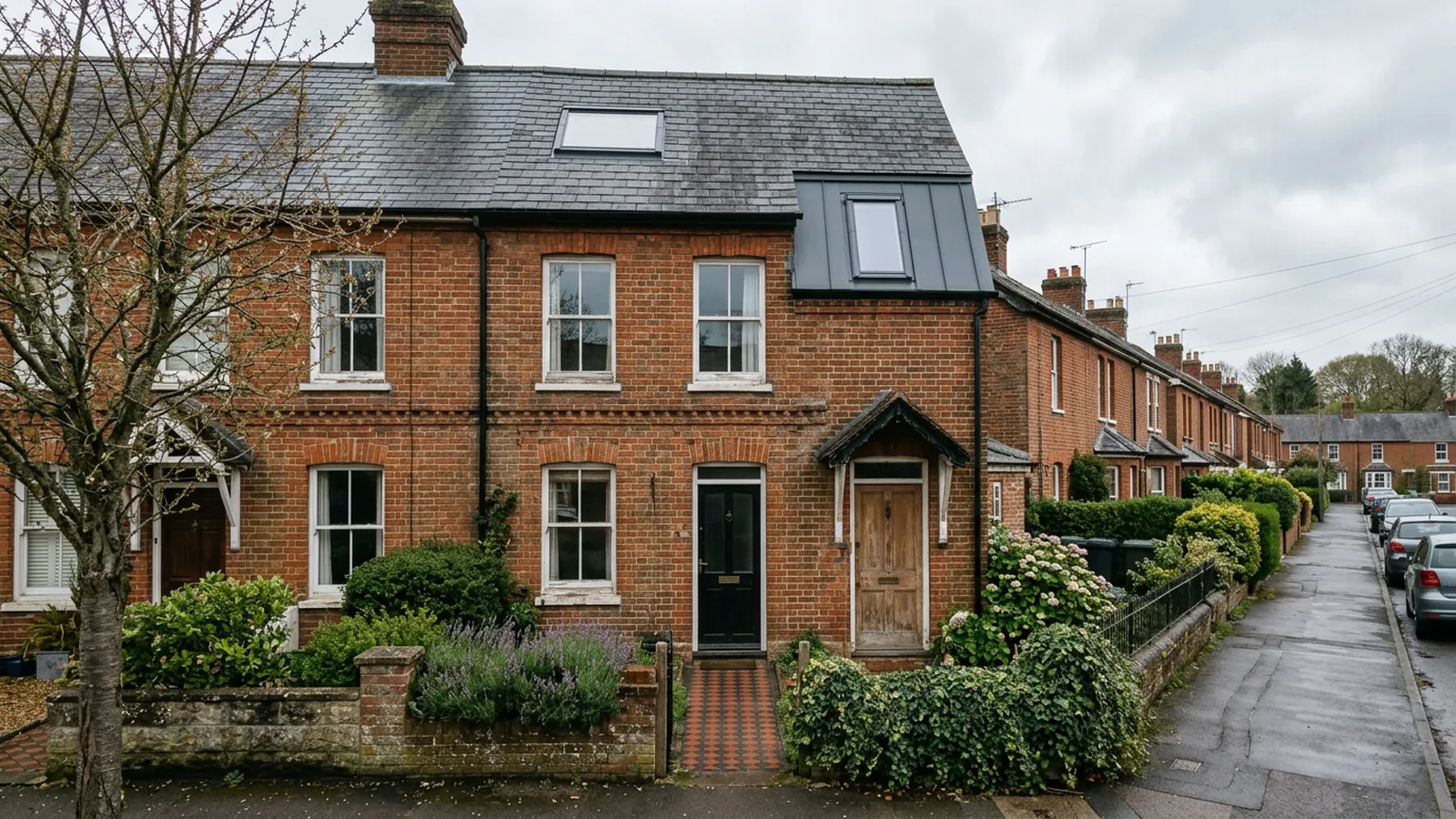
That is why the glazing on a skylight is chosen for the room it lights, not bought as a default. A landing you walk through has different needs from a bedroom you sleep in, and a north slope over a quiet close in Hatch Warren has different needs from a south slope over the Ringway. The frame, the flashing and the VELUX window installation itself are the same in each case; the pane is where the room gets its comfort.
One more thing is particular to overhead glass. Because the pane sits above your head, the inner layer is laminated on roof windows, so that if it were ever broken the pieces stay bonded to the interlayer instead of falling into the room. The outer layer is toughened to take hail and handling. Every option below builds on that pairing.
How a sealed rooflight unit works and fails
- Outer and inner glass panes, with the outer pane facing the weather
- Low-emissivity coating on one inner face, reflecting heat back into the room
- Warm-edge spacer bar holding the panes apart, filled with desiccant to soak up trace moisture
- Primary seal against each pane, backed by the secondary seal around the edge
- Dry sealed cavity, the insulating layer between the panes
- Broken edge seal: moist air gets in and the desiccant becomes saturated
- Mist and droplets trapped between the panes; they cannot be wiped off and the sealed unit needs replacing
- Inset: condensation on the room-side face of the glass is a ventilation or humidity issue, not a failed unit
The parts of a modern pane, explained once
A sealed glazing unit is a sandwich. It has two or three sheets of glass, a spacer bar around the edge holding them apart, and a sealed cavity between each pair. What distinguishes one option from another is how those parts are specified. The table sets out what each layer does and what you notice in the room.
| Part | What it does | What you notice |
|---|---|---|
| Toughened outer pane | Takes the weather, hail and thermal stress from sun on cold glass | Nothing, which is the point; it simply lasts |
| Laminated inner pane | Holds together if broken, because it is overhead glass | Peace of mind over a bed or a desk; thicker laminates also damp sound |
| Low emissivity coating | Reflects warmth back into the room while letting daylight through | A warmer inner surface and less chill sitting under the window |
| Gas filled cavity | A dense inert gas slows heat moving across the gap | Better insulation without a thicker frame |
| Warm edge spacer | Keeps the edge of the unit from acting as a cold bridge | Less misting in the bottom corners on cold mornings |
| Third pane | Adds a second cavity for insulation and quiet | A calmer, warmer room; a heavier sash and slightly less light |
| Solar control coating | Reflects part of the sun's heat before it enters | A cooler room on sunny slopes, with a faint tint to the view |
If you are trying to match glazing to the letters and numbers on a quote or a data plate, the answer to what the code on a VELUX means shows where the glazing reference sits in that string.
Double glazed or triple glazed
The choice most owners meet first is two panes or three. Both are sealed units with coatings and gas; the triple unit simply adds a pane and a second cavity. That extra layer brings the inner glass surface closer to room temperature, which is what you actually feel when you sit beneath it, and it reduces the chance of condensation forming on the glass itself.
What it costs is weight and a little daylight. Each sheet of glass absorbs and reflects a small share of the light passing through, so three sheets let through slightly less than two. On a generous window on an open slope you will not notice. On a narrow window between trusses lighting a deep room, where every bit of daylight counts, it is worth weighing. The extra weight also matters on larger sashes and on older top hung mechanisms, which is one reason glazing is chosen alongside the top hung or centre pivot decision rather than after it.
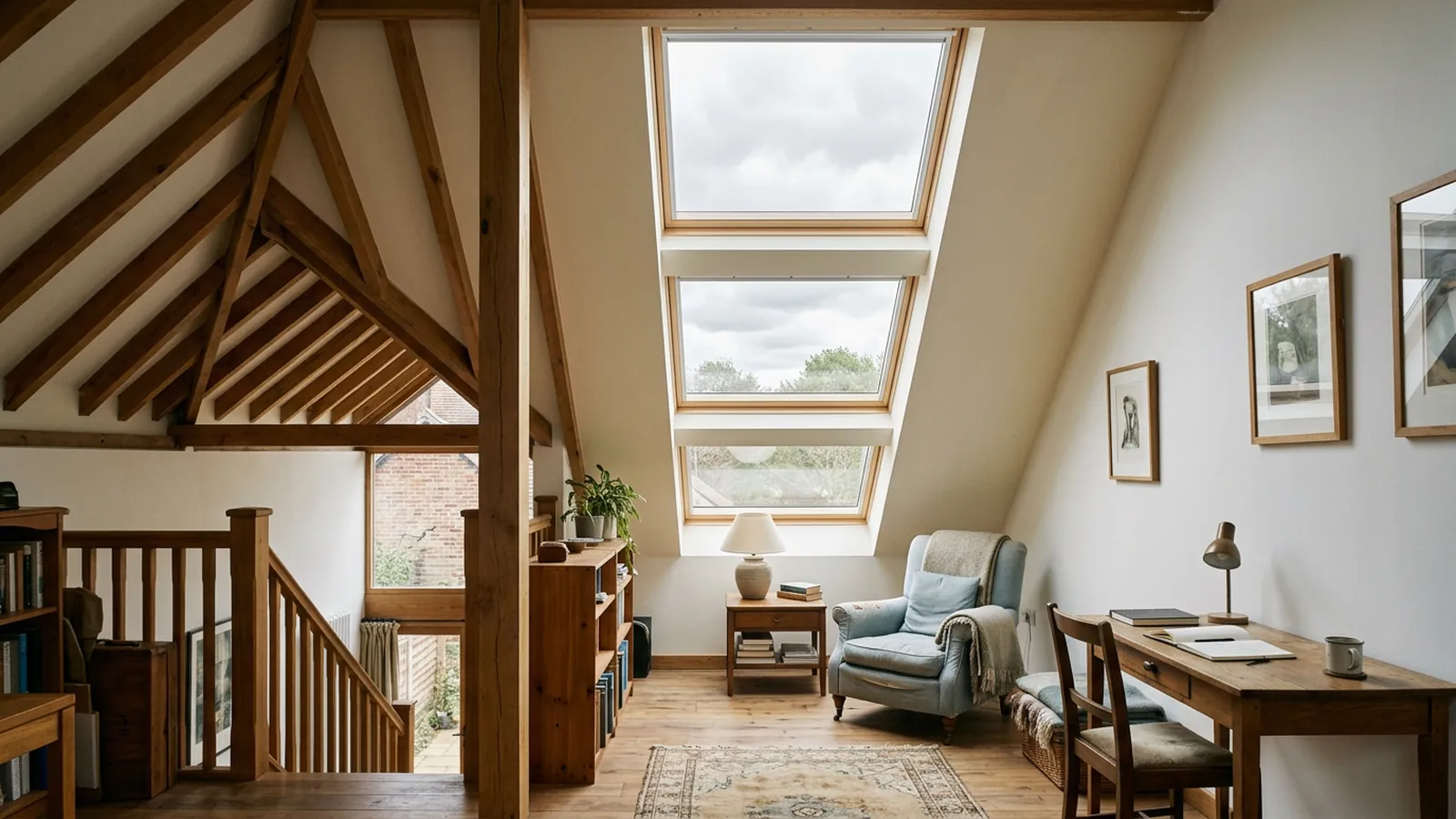
A fair rule of thumb: rooms you sleep or sit in for long periods, and rooms at the top of an otherwise well insulated loft conversion, tend to justify three panes. Circulation spaces, stores and rooms with plenty of other glazing often do perfectly well with two.
Pick the pane for the hours you spend under it, not for the brochure's headline figure.
Energy: keeping warmth in and the bills sensible
A roof window is a hole in the insulated envelope of the house, so its glazing has a real bearing on heat loss from a loft room. The measure used is the U-value, where a lower number means less heat escaping. The whole window has a U-value that combines frame and pane, and Building Regulations set a limit for new and replacement windows that every current VELUX glazing option is designed to meet.
Going beyond the minimum makes most sense where the rest of the room is also well insulated, as in a new loft conversion built to current standards. Putting a high performance pane into a room with thin insulation between the rafters rarely feels different, because the heat simply finds the weaker route. The broader question of insulating rooflights, and where the gains really come from, is covered on our energy efficient rooflights page.
There is also the question of heat gained. A low emissivity coating lets in the sun's warmth as well as its light, which is welcome on a north or east slope in winter and less welcome on a south or west slope in July. Energy performance therefore has two sides on a skylight: keeping winter heat in, and keeping summer heat from building up. That leads to the next section.
Solar control for sunny slopes
Loft rooms on the south and west facing slopes of estate houses can get uncomfortably warm on long summer afternoons. A roof window pointing at the sky collects a great deal of direct sun, and the air in the top of a house is already the warmest in the building.
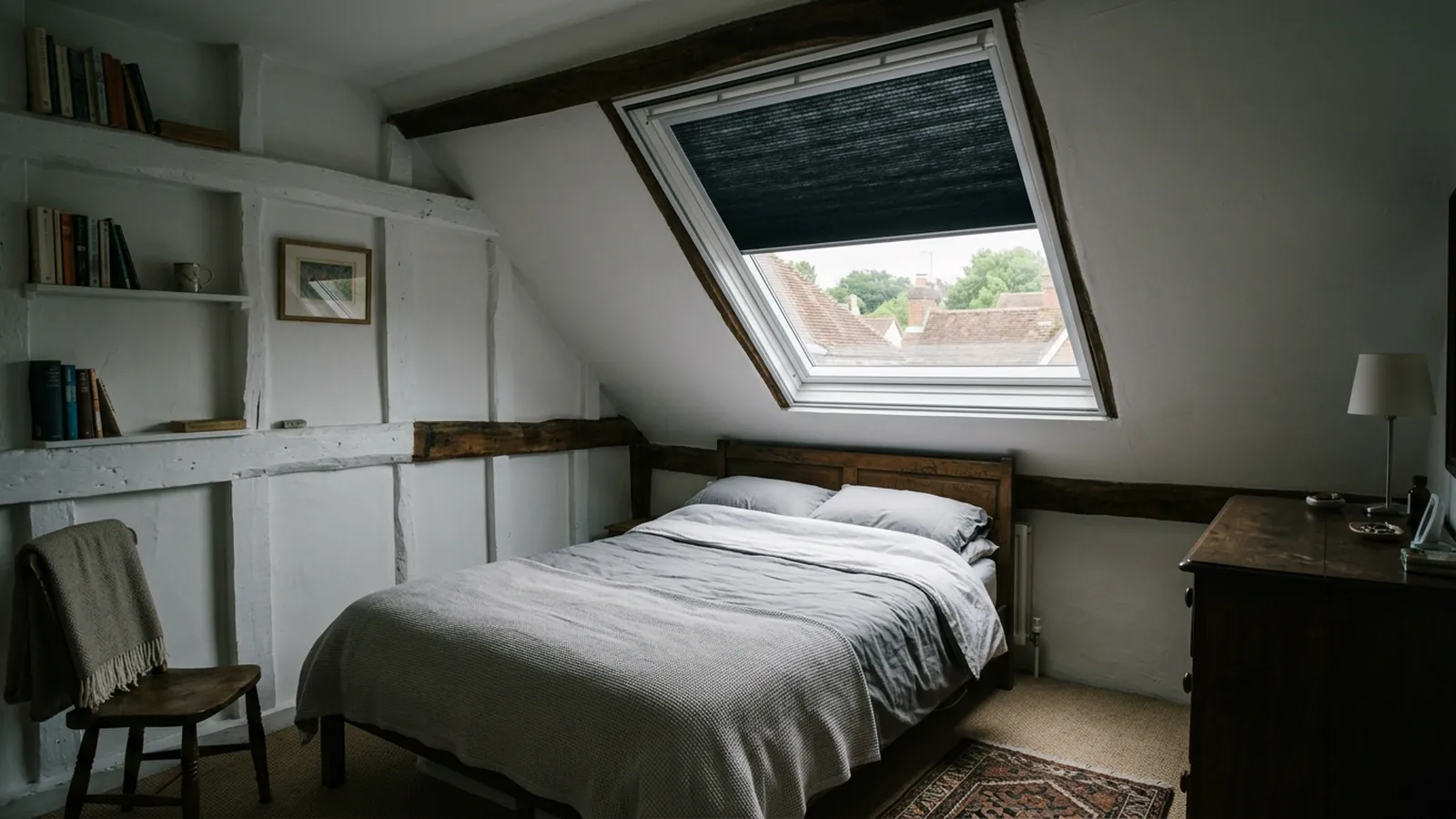
Solar control glazing carries a coating that reflects a share of that heat before it passes through. The room stays cooler and the glare is softer. The trade off is a faint tint, usually grey or neutral, and a little less daylight on overcast days. Some owners prefer to keep clear glazing and manage the heat from outside the glass instead, because an external awning blind or roller shutter stops the heat before it reaches the pane at all and can be put away on dull days. Our guide to VELUX blinds and shutters compares those routes.
The rule: on a hot slope, stop heat outside the glass if you can, because that is where it is easiest to reject. The exception is a window that cannot take an external blind, or a room where you want the effect all day without touching anything; there, solar control glazing earns its place.
Noise: rain, roads and flight paths
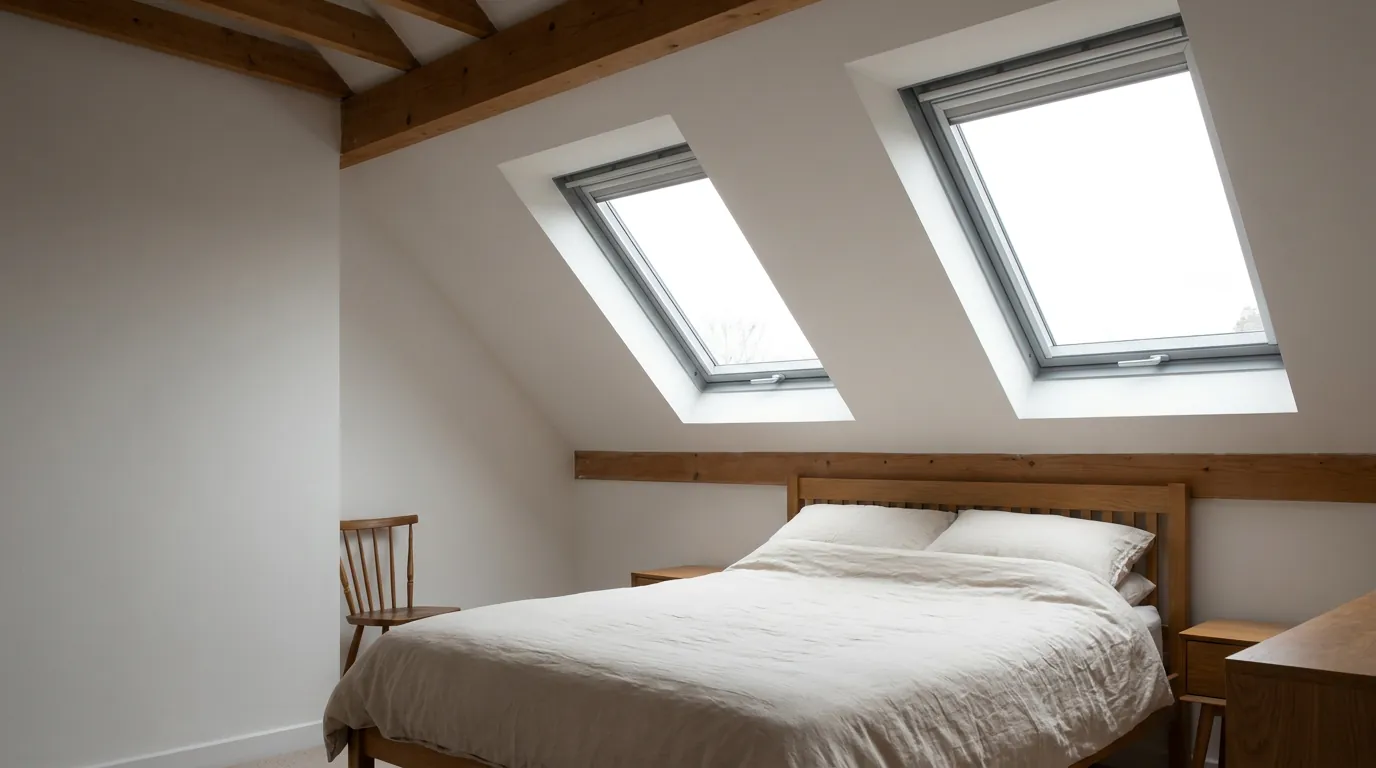
Rain on a roof window is the noise owners ask about most readily, and it is a fair concern. Glass is hard and flat, so heavy rain can be louder under a skylight than under the tiled slope around it. For a bedroom, a nursery or a home office that is a real consideration.
Noise reducing glazing tackles this in two ways. A thicker or acoustic laminate on the inner pane damps the vibration of the glass, and an asymmetric build, with panes of different thicknesses, stops the unit ringing at a single frequency. A triple unit adds a second cavity, which also helps. Outside the glass, a closed roller shutter softens the patter considerably, and many owners use one for that reason alone.
Road and aircraft noise is a separate matter, because it arrives through the air rather than striking the pane. Houses close to the M3, the A33 or the busier parts of the Ringway, and homes under routes into Farnborough, can benefit from acoustic glazing on the slope facing the source. Remember that sound also travels through an open window and through any gaps in the lining, so good glazing works best alongside a well sealed, well insulated reveal.
Coatings that change daily life
Alongside the main glazing choice, some options carry coatings that do quieter jobs. An easy to clean outer coating helps rain rinse dust from the glass, which matters on a pane you cannot easily reach. Obscured or frosted glazing keeps privacy in a bathroom or en suite where a neighbour's window looks across. An anti dew treatment on the outer pane reduces the misting that can form on the outside of highly insulated glass on clear, cold mornings.
That last point surprises people. The better a pane insulates, the colder its outer face stays overnight, and dew can form on the outside for a while after sunrise. It clears on its own and is a sign the unit is doing its job, not a fault. Moisture on the inside of the glass is a different story, usually tied to humidity and ventilation in the room, and the answer to why condensation forms on a VELUX explains how to tell them apart.
Bathrooms bring their own mix of moisture and privacy. If the window will sit over a bath or shower, read whether a VELUX suits a shower or bath before settling on the pane and the frame finish.
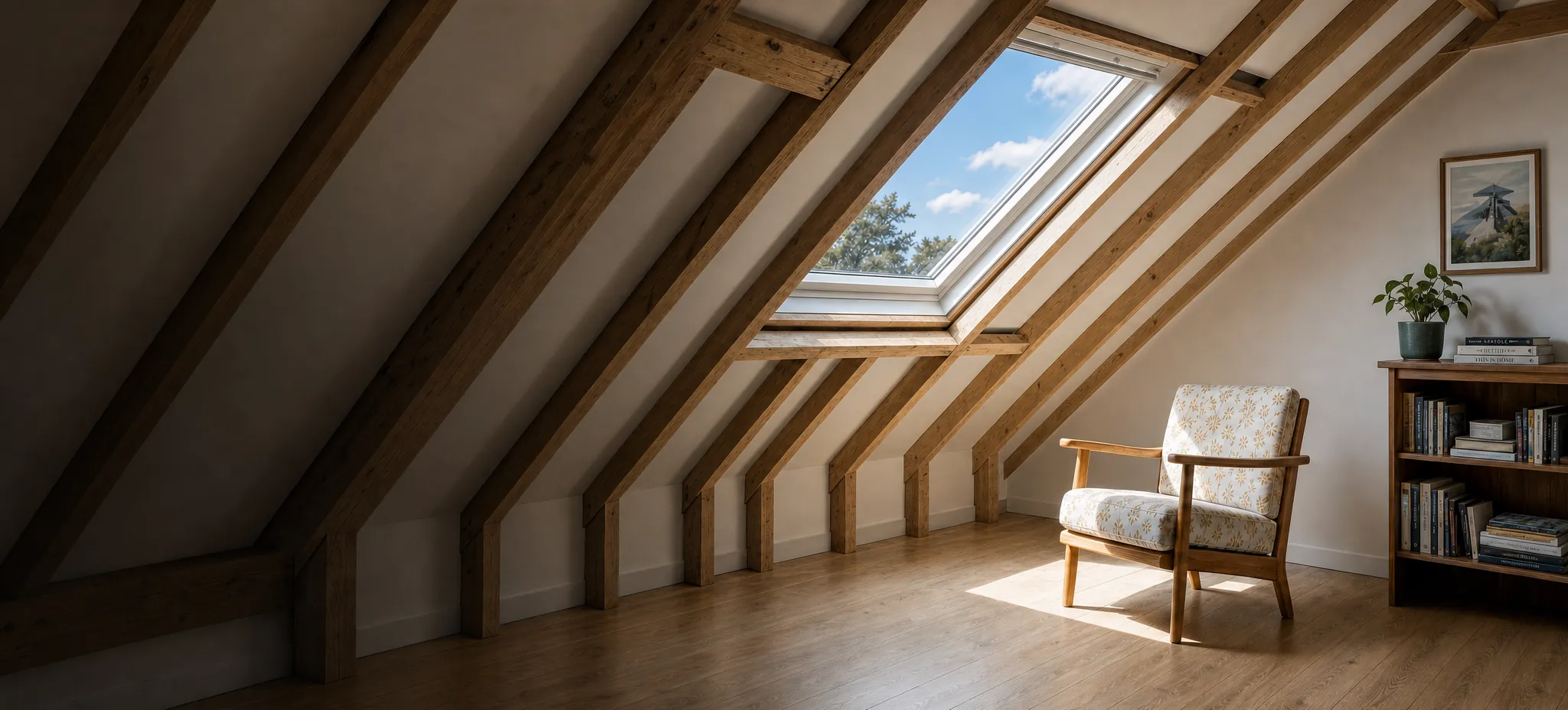
Matching glazing to the room
With the options laid out, most choices come down to the room and the slope. The steps below are the order we work through at a survey, and you can follow the same order on your own plans.
- Name the room. Bedroom, office, bathroom, landing or store. Rooms used for sleep and long sitting sit at the comfort end of the range.
- Check the slope's direction. South and west slopes point towards solar control or an external blind; north and east slopes rarely need it.
- Listen to the setting. A slope facing a main road, a railway or a flight path points towards acoustic glazing on that side.
- Look at the insulation. A new conversion built to current standards is worth matching with a better pane; an older room may gain more from its insulation first.
- Weigh the daylight. On narrow windows lighting deep rooms, count the small loss of light from extra layers or tints.
- Confirm on the roof. Window type, sash weight and the existing frame, where there is one, settle what is practical.
For a loft conversion on an estate house, where several windows may light different rooms on different slopes, it is quite normal to specify different glazing for each. Our guide to VELUX windows in an estate house loft conversion covers how those choices fit into the wider build.
Changing the glazing in an existing window
If you already have a VELUX and want better glass, there are two routes. Where the frame is sound and a compatible replacement sash is still made, a new sash with modern glazing can go into the existing frame. Where the frame is older, a full replacement in the same opening usually makes more sense, because it brings a new frame, seals and flashing alongside the better pane. The choice depends on the age of the window and its condition, and our guide to upgrading an old VELUX in the same opening walks through both.
A misted unit, where moisture appears between the panes, means the edge seal has failed. That calls for new glazing rather than cleaning, and it is often the moment owners take the chance to move from an older double unit to a warmer or quieter one.
What glazing changes on the quote
Glazing is one of the lines that moves the price of a roof window, alongside size, roof covering, access, any trimming and the finish inside. Triple, acoustic and solar control units each cost more than a standard double unit, and heavier sashes may affect the window type chosen. We do not publish prices, because the roof decides so much of the job, but the answer to what it costs to fit a VELUX window sets out the other factors. For a balanced view of where roof windows fall short, including heat and noise, the answer on the disadvantages of VELUX windows is worth a read.
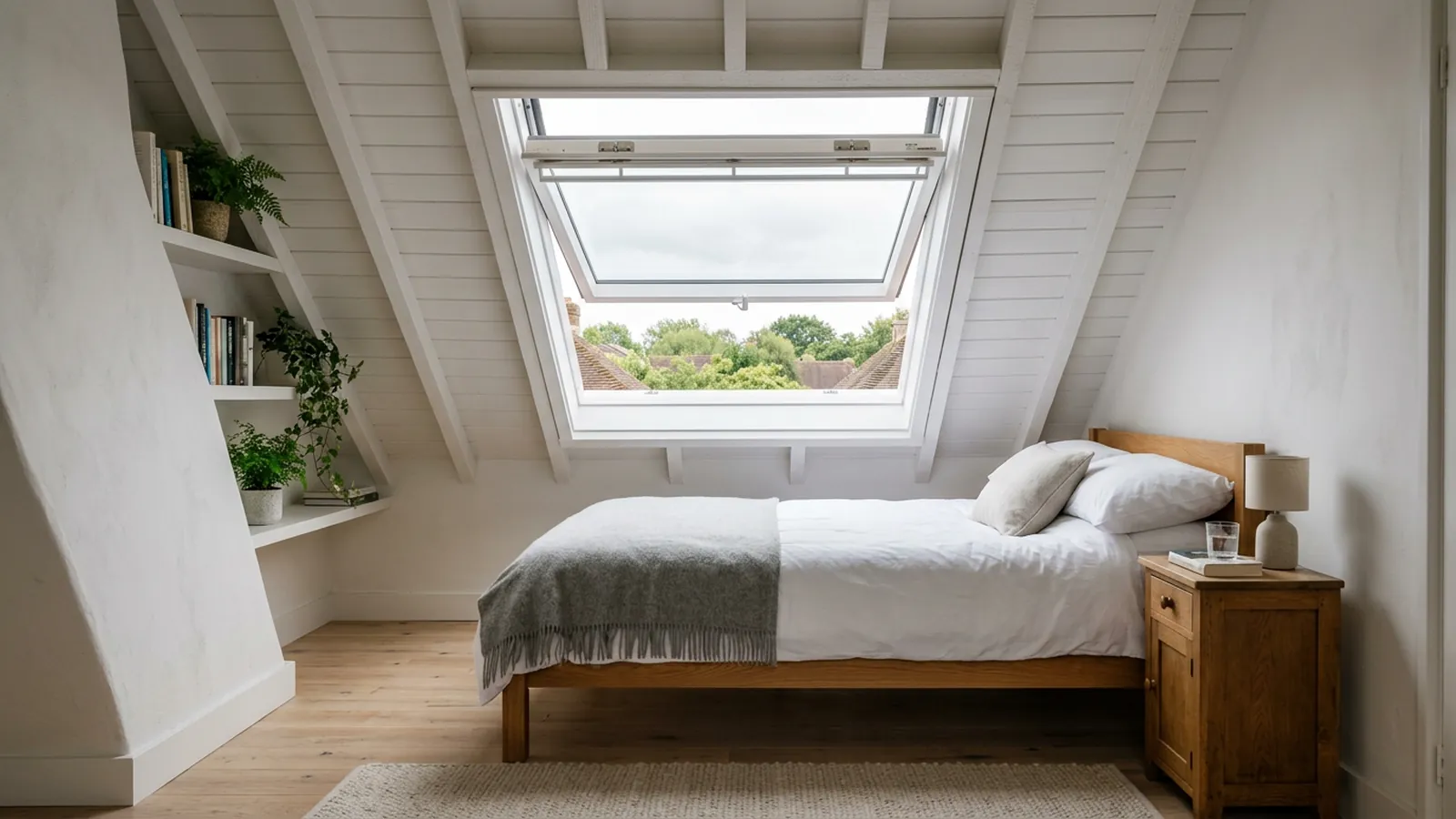
Settling the pane before the window is ordered
Glazing is ordered with the window, so it pays to decide it at the survey rather than on the day of fitting. We look at the slope, the room and what is around the house, then name the glazing on the written quote with a short reason for each window. Notifiable work goes to Building Control with the rest of the paperwork, and the fitting is covered by our 10-year workmanship guarantee, which is not insurance backed.
If you are still at the stage of comparing brands or rooflight types, our rooflight and skylight installation homepage is the place to start. If you already know the window is a VELUX, the VELUX window installation service page covers the full job from survey to lining. When you have a room in mind, ask us to survey the roof and we will suggest the pane that suits it.