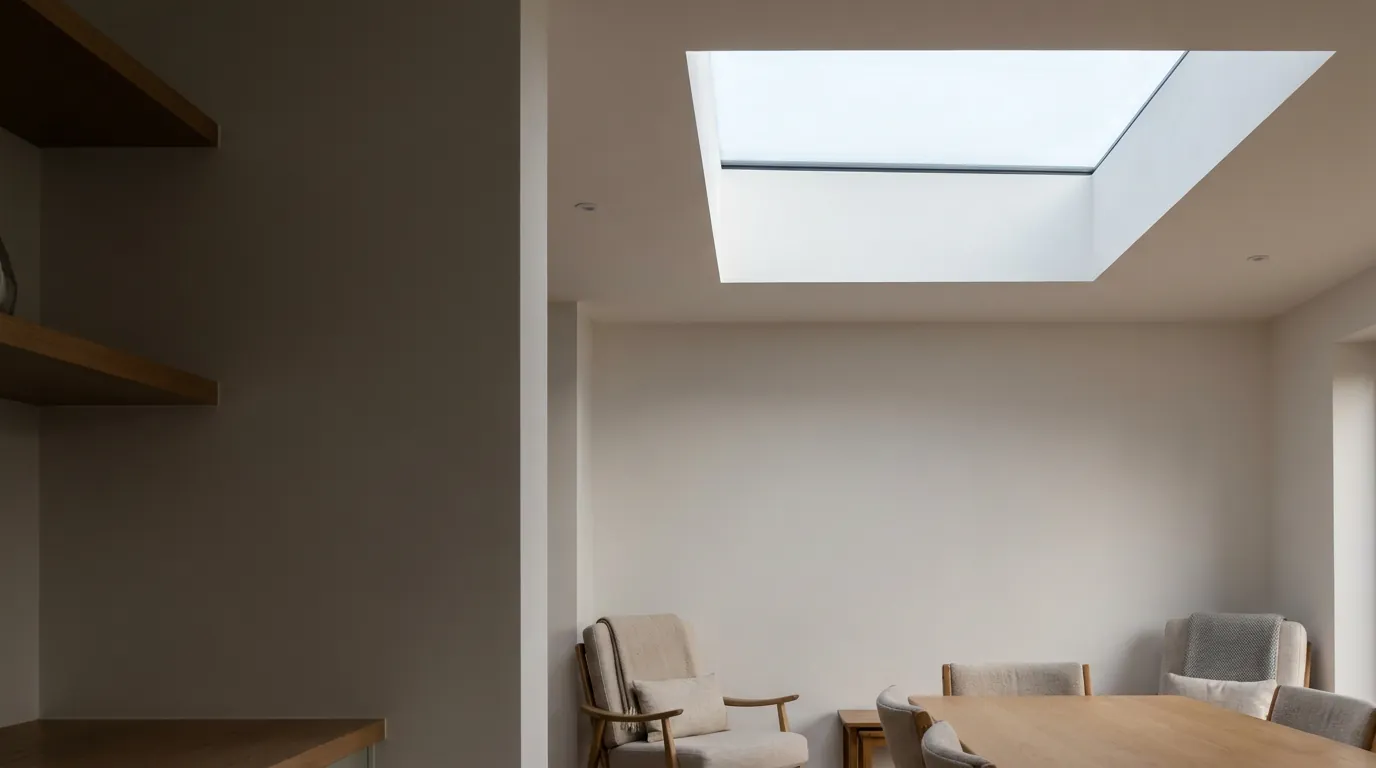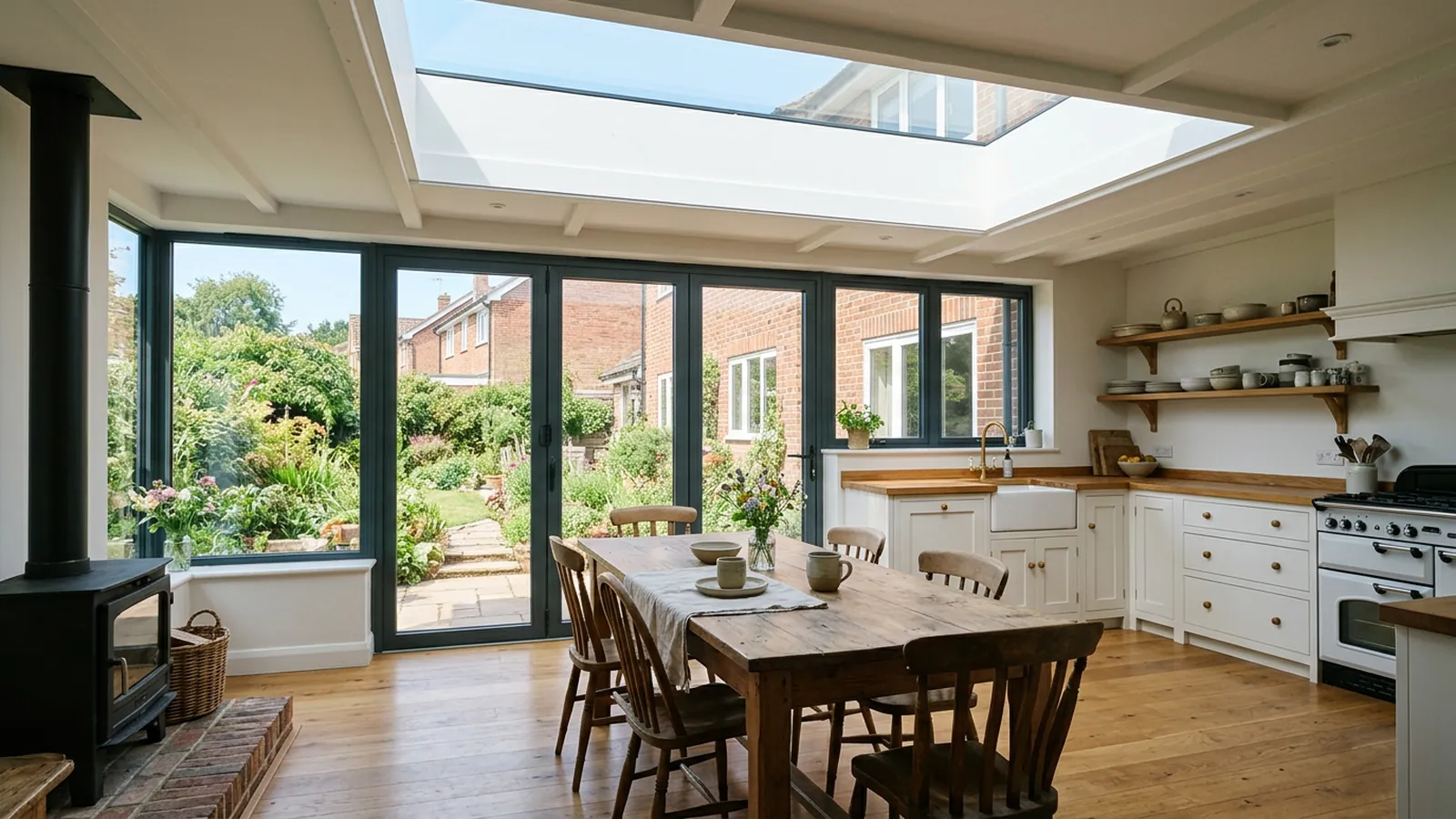
The worry makes sense. A rooflight goes in to bring daylight into a dark landing or loft room, so any glass that sounds like it holds the sun back can feel like it works against the whole point. On our energy efficient rooflights page the glass is chosen for the room and the slope it faces, and that is the honest way to think about solar control too: it is a trade between heat and light, and the balance can be set.
What the coating is actually doing
Sunlight arrives as a mix of visible light, which we see, and infrared, which we feel as warmth. A solar control coating is a very thin metallic layer on one of the inner faces of the sealed unit. It is designed to reflect a large share of the infrared back out while passing much of the visible light. That is why a good solar control skylight can make a south-facing loft room feel noticeably cooler in summer without making it feel like a room with the curtains half drawn.
Two figures on the glass specification tell you how any unit behaves. The g-value describes how much solar heat gets through; our answer on what the g-value on rooflight glass means explains it in a paragraph. The light transmittance figure describes how much visible light gets through. Solar control glass lowers the first while trying to keep the second as high as it can. How far it can go before the two start to pull against each other is covered properly in the guide to solar control and low-e coatings.
How a sealed rooflight unit works and fails
- Outer and inner glass panes, with the outer pane facing the weather
- Low-emissivity coating on one inner face, reflecting heat back into the room
- Warm-edge spacer bar holding the panes apart, filled with desiccant to soak up trace moisture
- Primary seal against each pane, backed by the secondary seal around the edge
- Dry sealed cavity, the insulating layer between the panes
- Broken edge seal: moist air gets in and the desiccant becomes saturated
- Mist and droplets trapped between the panes; they cannot be wiped off and the sealed unit needs replacing
- Inset: condensation on the room-side face of the glass is a ventilation or humidity issue, not a failed unit
Where you will notice a difference, and where you will not
| Situation | Clear solar control coating | Tinted or body-coloured solar glass |
|---|---|---|
| Bright summer afternoon | Room stays bright, with less heat building up under the glass | Glare drops clearly and the room feels shaded |
| Overcast winter day | Slightly less light than plain glass; hard to spot without a side-by-side | The loss is easier to see when the sky is already dull |
| Colour of the light | Close to neutral indoors | Can lend a grey, bronze or blue cast |
| Look from the street | May show a slight reflective sheen | Visibly darker or coloured pane |
The pattern is simple. On sunny days, the thing solar control removes is mostly the heat you did not want. On dull days, when there is less light to spare, any loss of visible light matters more, and that is where a strongly tinted pane can make a north-facing room feel gloomier than it needs to.
Which way the rooflight faces decides the answer
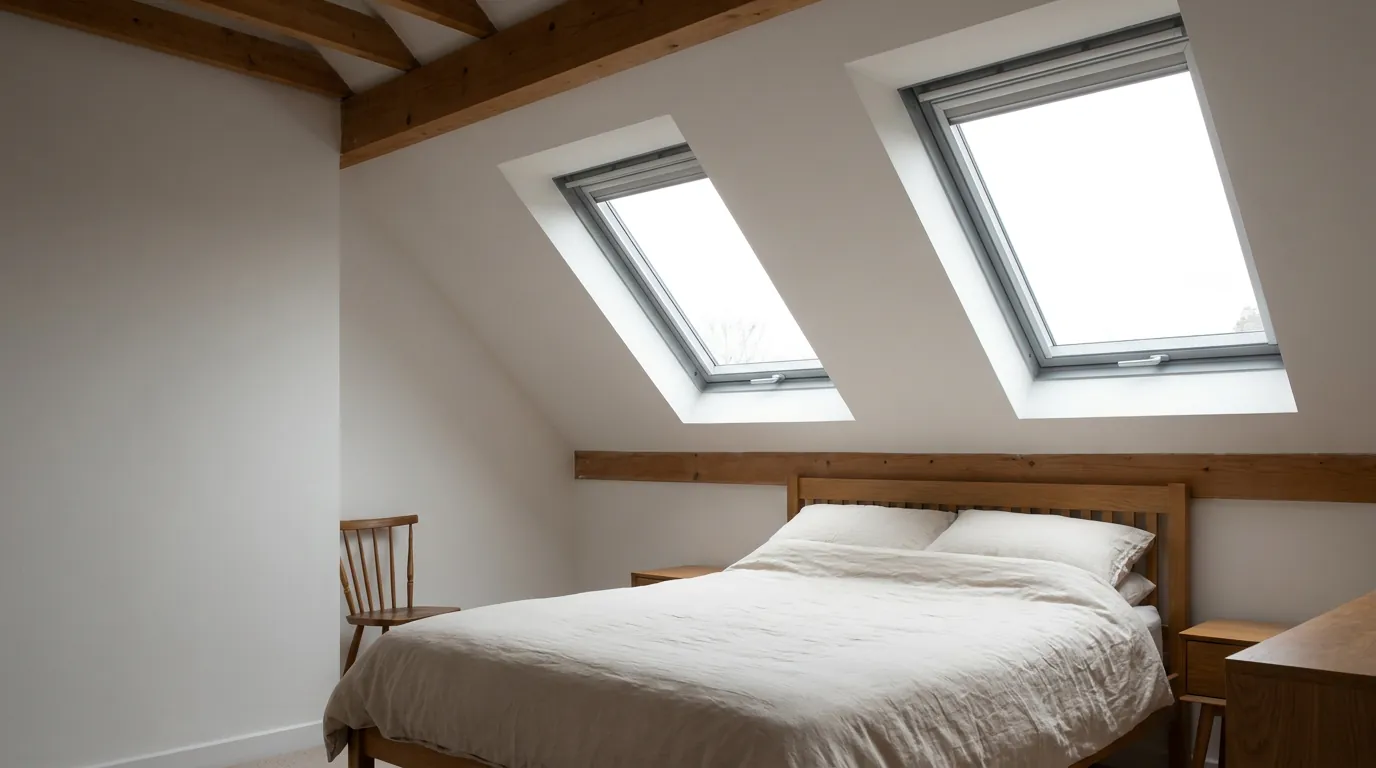
Orientation matters more than the glass label. A roof slope facing south or west takes direct sun for long stretches, and a skylight there can make a room under it uncomfortably warm. On that slope a clear solar control coating is often a sensible choice, because it reduces heat gain and glare while leaving the room light. A slope facing north gets mostly diffuse sky light and very little direct sun, so solar control does little useful there and any light it takes away is light the room would have used.
In practice that means one house can sensibly take two different glass specifications: solar control on the sunny slope over a loft bedroom, plain low-e glass on the shaded slope over a landing. Our answer on which way a rooflight should face for energy sets out the trade for each direction.
How to keep the room bright and still control heat
- Start with the slope. Note which way the roof faces over the room, and how many hours of direct sun it takes in summer.
- Size for daylight first. A correctly sized rooflight gives enough light that a small reduction from the coating goes unnoticed. Oversizing to make up for a tint only adds heat gain and heat loss.
- Pick a clear coating before a tinted one. Where the aim is comfort rather than privacy or strong glare control, a neutral solar control coating keeps the room closer to how it looks with plain glass.
- Add shading for the hottest weeks. An external awning blind stops heat outside the glass, and it can be rolled away when you want every bit of light back.
That last step is worth weighing. Glass is permanent, but a blind is not: a sunny room with clear glass and an awning blind can be bright in February and shaded in July, which no single coating can do on its own. If summer heat is the real problem, whether a rooflight can keep a room cool in summer goes through the options in order.
What to look for on a quote
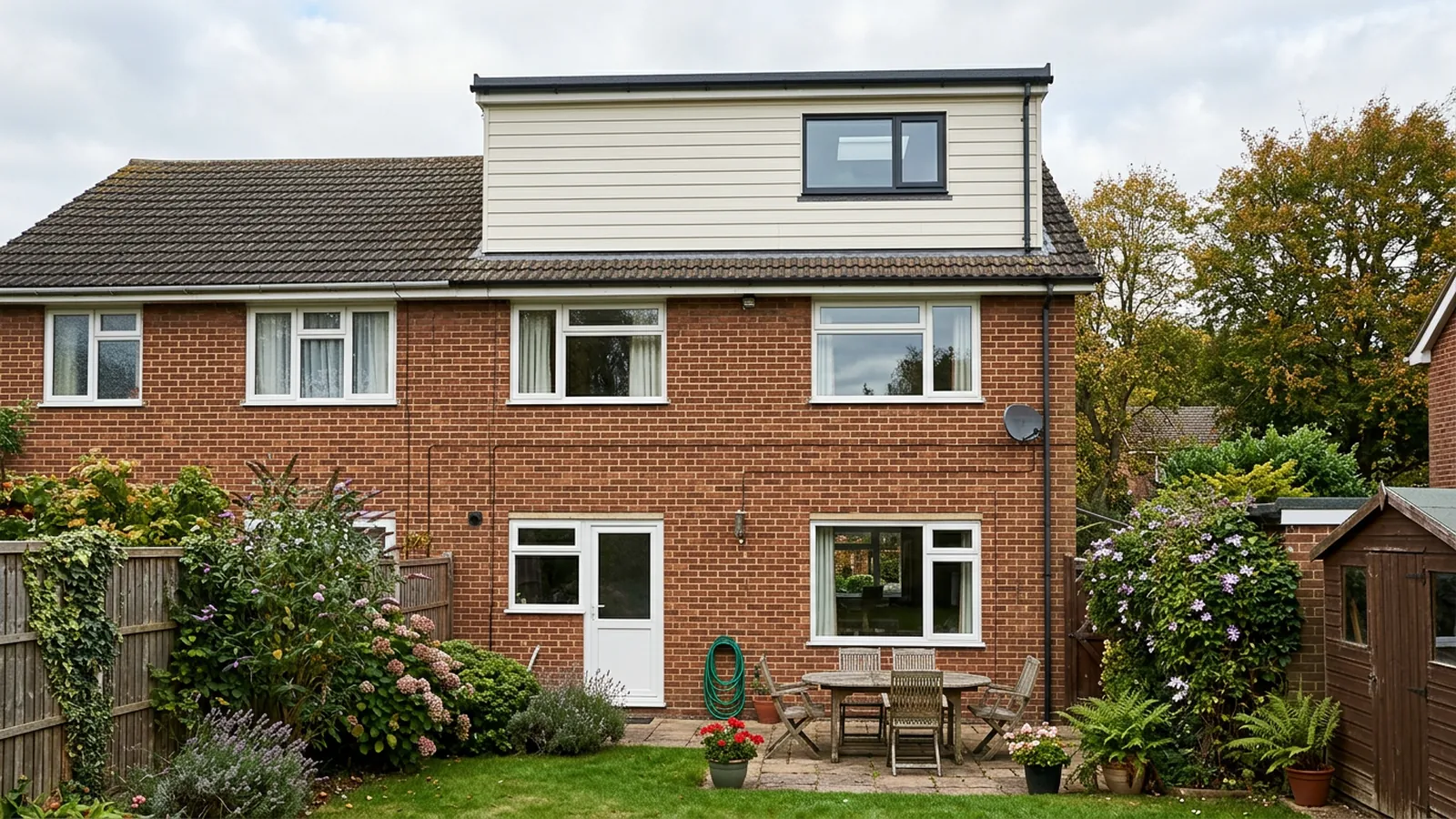
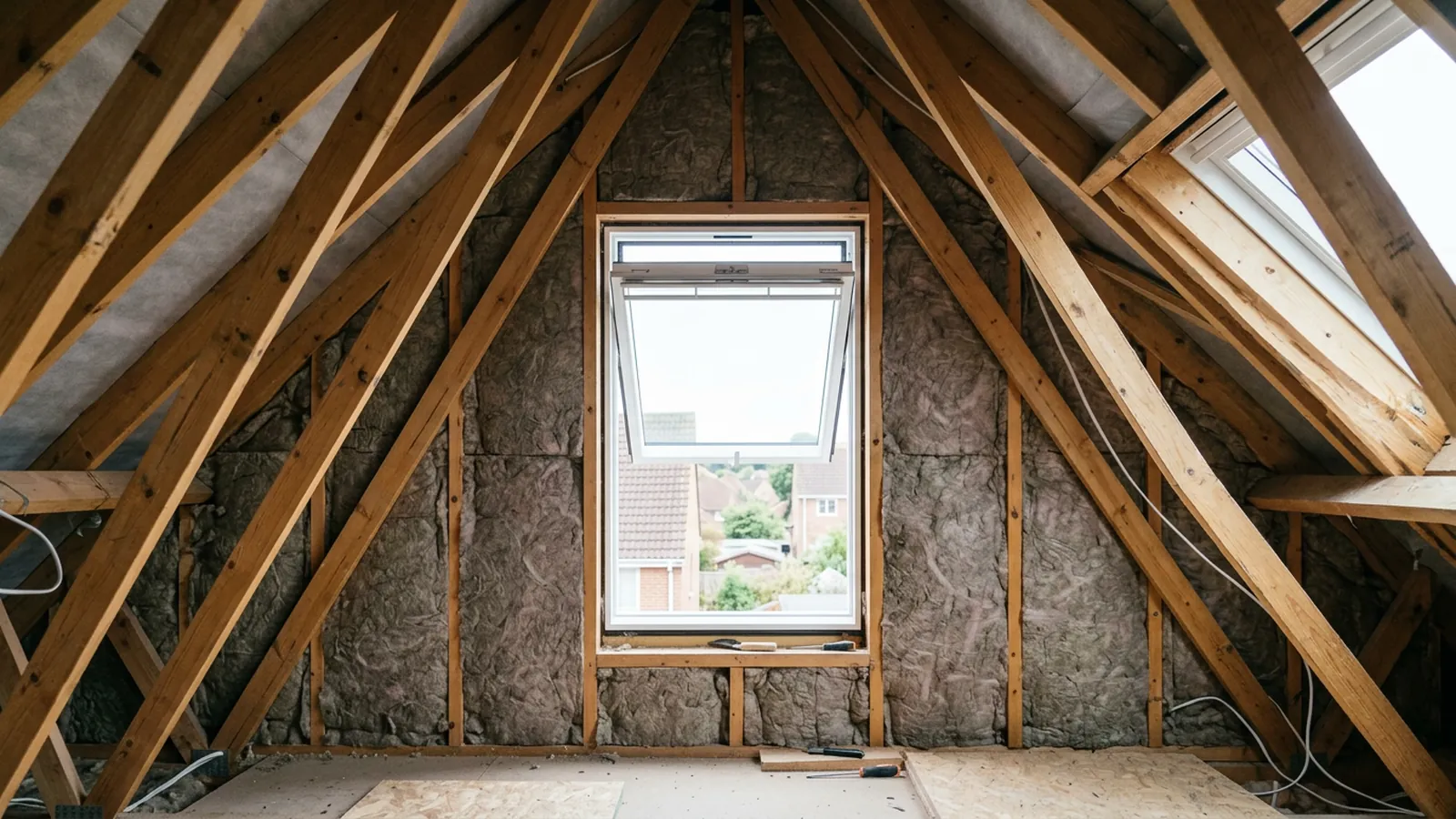
Ask for the light transmittance and the g-value of the exact unit being offered, not a general description of the product range. Two units both sold as solar control can differ a great deal in how much light they pass, and the only way to compare them fairly is on those two figures side by side. If the skylight is going into a loft conversion on an estate house with trusses at 600mm centres, the width is often fixed by the gap between trusses, so the glass is the part you can still tune.
The rule of thumb: a clear solar control coating on a sunny slope rarely makes a room feel dark. The exception is a tinted pane over a room that is already short of light, such as a north-facing landing or a narrow hallway, where plain low-e glass is usually the better fit.
The short answer, put plainly
Solar control glass does not have to make a room darker in any way you would notice, provided the coating is a clear one and it goes on the slope that needs it. A strongly tinted pane, or solar control on a shaded roof, is where the gloom creeps in. When we survey your roof we look at the slope, the room and the way the light falls, then specify glass to suit rather than one pane for every opening. If you are weighing coatings for a new or replacement rooflight, ask us to look at the roof and we will explain which glass suits each slope before you choose.