Owners tend to ask this when they are about to sell or let, or when a mortgage lender has mentioned the rating. The honest position is that a skylight is a small line in a big calculation. Our energy efficient rooflights page covers how we specify the glass and frame; this answer sticks to what an assessor actually sees and how much it can move.
What the certificate is really measuring
An Energy Performance Certificate grades a dwelling from A to G on its estimated running cost under standard assumptions. For an existing house the assessor uses a reduced data version of the government's energy calculation: they walk round, note the age band, the construction, the insulation they can see, the boiler and controls, the hot water, the lighting and the glazing, then the software fills the gaps with defaults for that era of house.
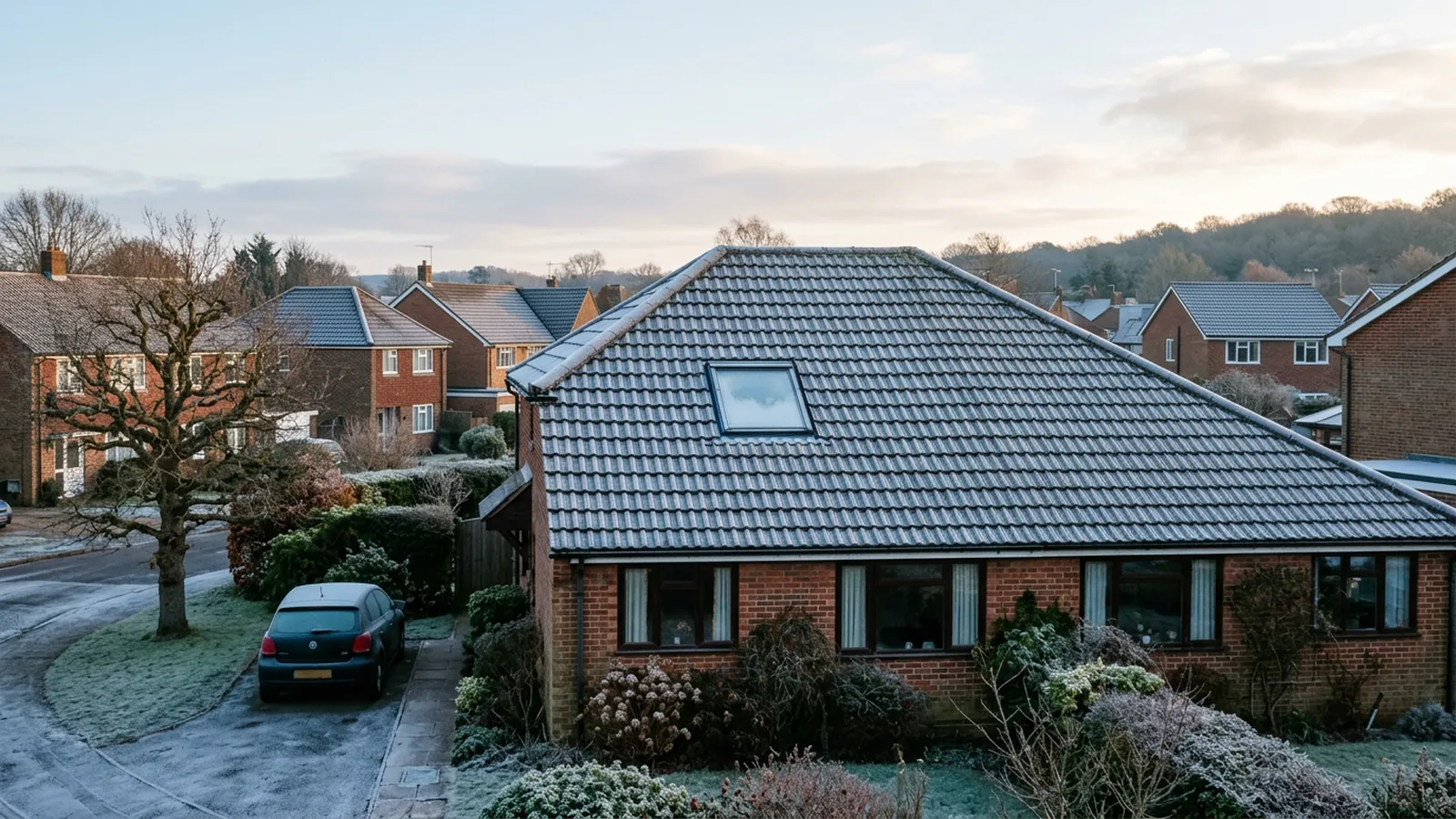
The glazing entry covers roof windows as well as wall windows. What gets noted is the type (single, double or triple), roughly when it was fitted, and how much of it there is. That is why a rooflight counts at all, and also why it rarely counts for much: in a typical semi the roof glazing is a modest area next to the walls, floor and roof it sits in.
How a sealed rooflight unit works and fails
- Outer and inner glass panes, with the outer pane facing the weather
- Low-emissivity coating on one inner face, reflecting heat back into the room
- Warm-edge spacer bar holding the panes apart, filled with desiccant to soak up trace moisture
- Primary seal against each pane, backed by the secondary seal around the edge
- Dry sealed cavity, the insulating layer between the panes
- Broken edge seal: moist air gets in and the desiccant becomes saturated
- Mist and droplets trapped between the panes; they cannot be wiped off and the sealed unit needs replacing
- Inset: condensation on the room-side face of the glass is a ventilation or humidity issue, not a failed unit
Where a new rooflight can move the score
The gain comes from what you take out. A plastic dome on a flat-roofed kitchen extension, or a first-generation timber roof window with tired single glazing, loses heat far faster than current sealed units do. Our guide to heat loss through old rooflights in 1970s and 1980s homes explains why those units behave the way they do on the estates around here.
| The change | Likely effect on the rating | Why |
|---|---|---|
| Old single-glazed or single-skin unit swapped for insulated glazing | A small improvement, if the assessor can record the new glazing | The weakest glazing in the house is replaced with a far better unit |
| Older double glazing swapped for a current double or triple unit | Often too small to change the band | The software may already treat both as double glazing |
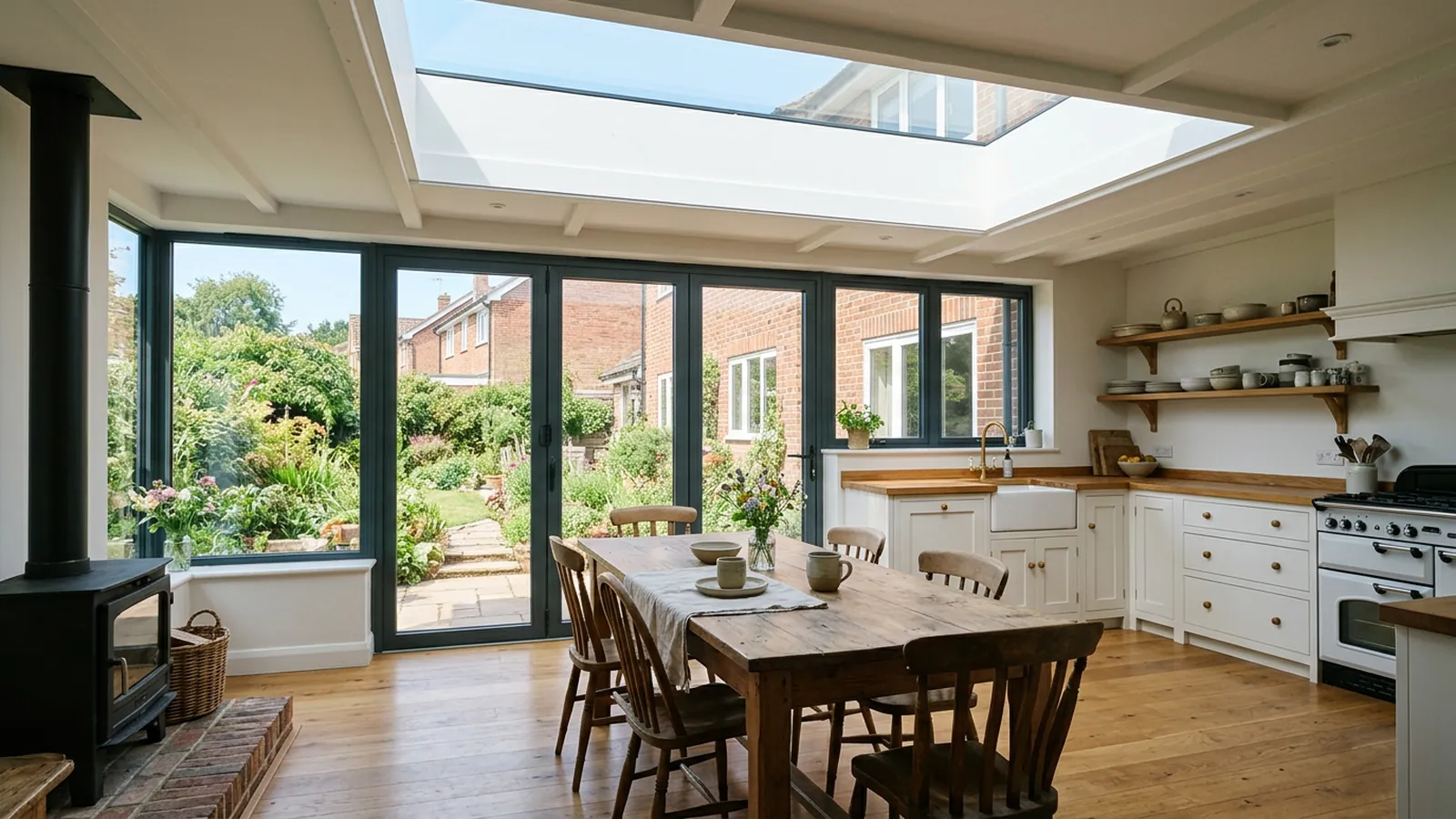
| A brand new rooflight added where there was insulated roof | Neutral to slightly lower on heat loss, with some daylight benefit | Glass takes the place of insulated roof, but brings in light and some solar gain |
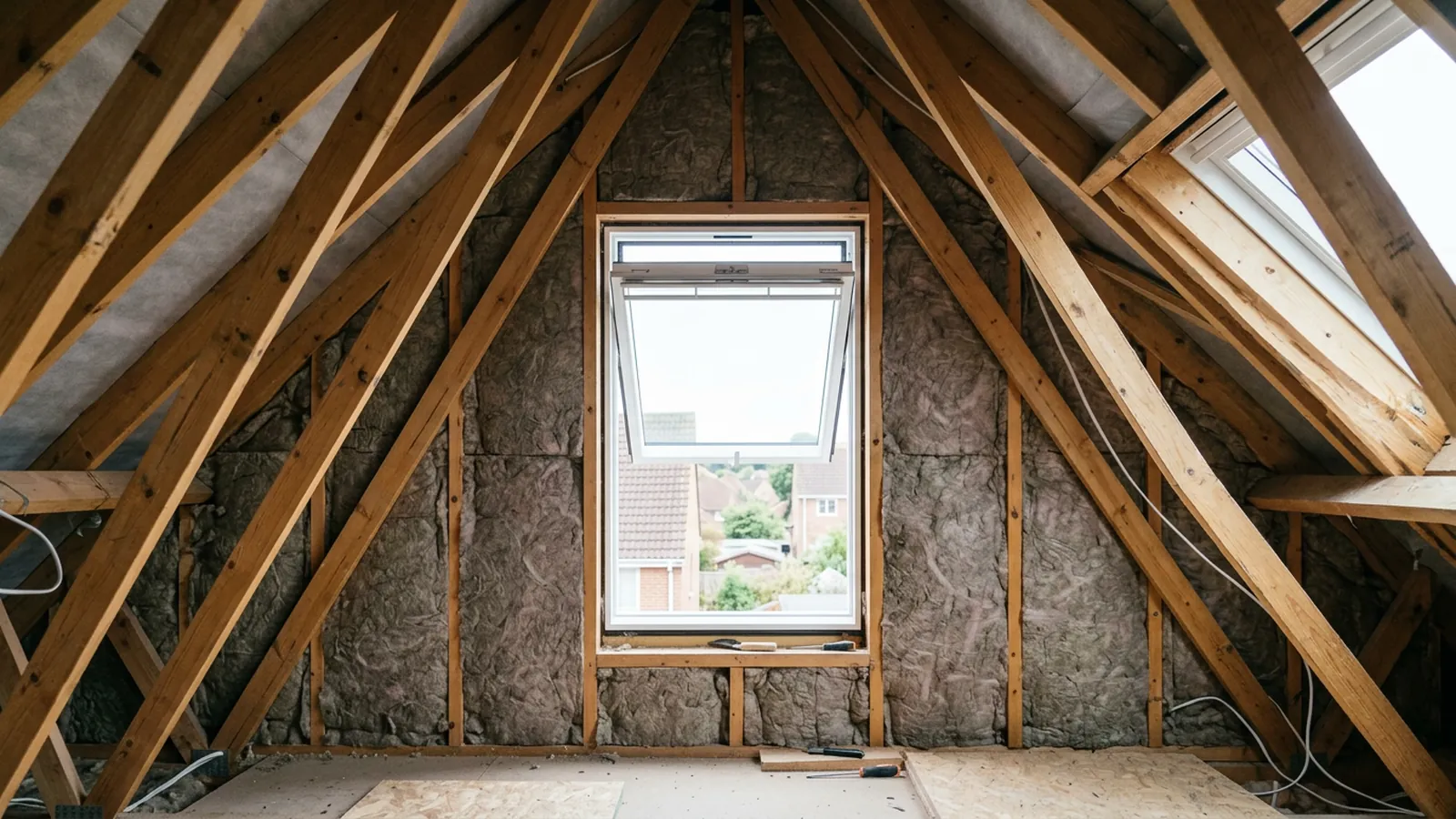
| A rooflight fitted as part of a loft conversion | Judged with the whole conversion | New insulated slopes, walls and floor area change far more than the window does |
Why adding glass is not a free upgrade
Any window, however good, lets more heat out than the insulated roof around it. Our answer to do rooflights lose more heat than walls? sets out that comparison properly. So a new opening in a well insulated slope is a trade: warmth given up for daylight. The calculation does give something back, because a brighter room needs electric light for fewer hours and winter sun adds a little warmth, which is the subject of can a rooflight cut lighting use during the day?
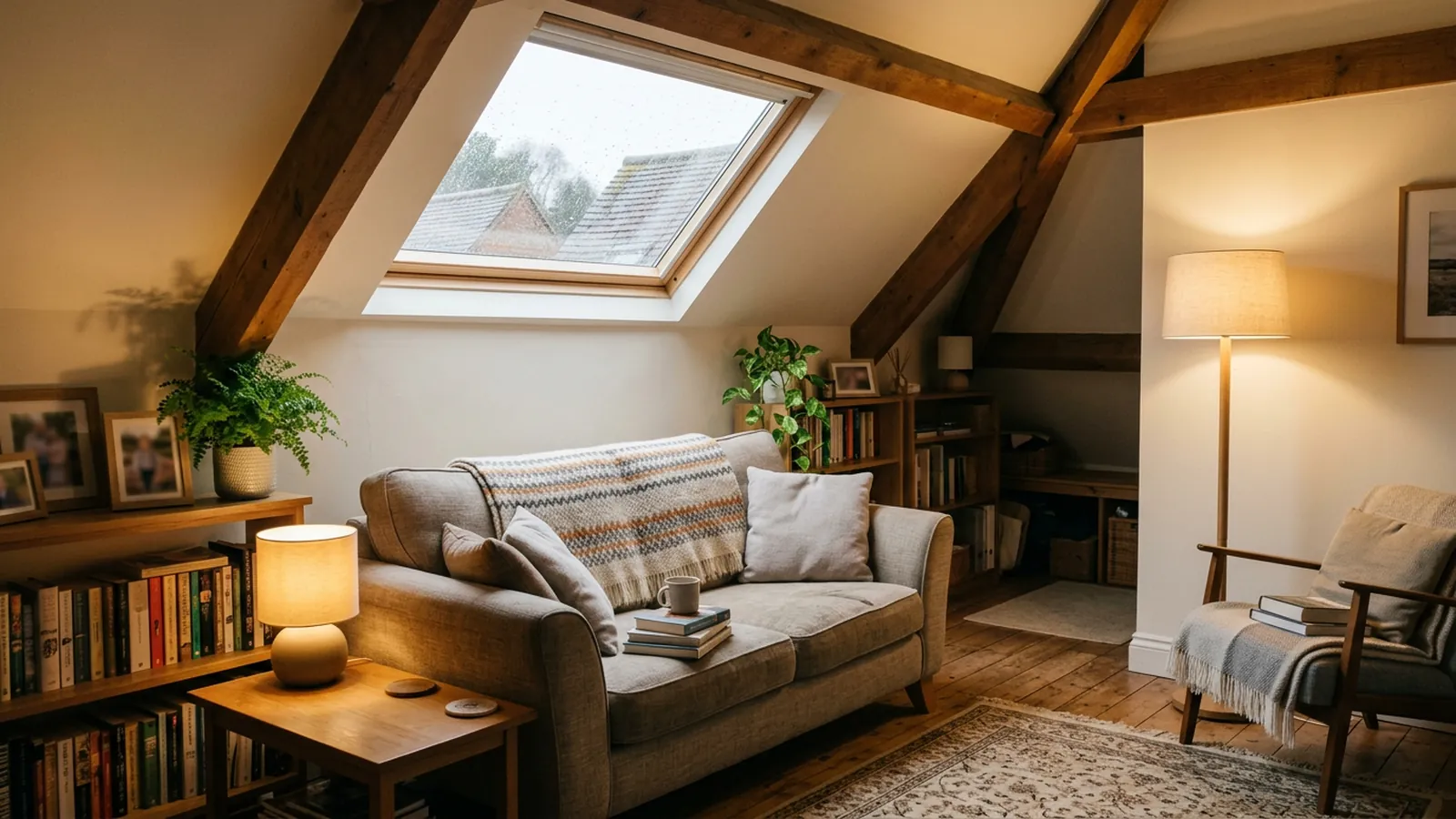
If the goal is purely a better EPC band, a rooflight is rarely the first thing to spend on; if the goal is a brighter room, a well specified one should not cost you the band.
That second point is the one worth holding on to. Sizing matters here more than brand or glass count, since an oversized opening gives away more roof insulation than the room needs to trade.
Getting the new glazing onto the certificate
A reduced data assessment leans on defaults whenever the assessor cannot confirm what is there. Paperwork helps them record the real specification instead of a guess for the age of the house.
- Keep the product data. The manufacturer's sheet shows the glazing type and its U-value; our guide to rooflight U-values explained in plain terms shows how to read it.
- Keep the Building Control paperwork. A roof window fitted into the thermal envelope is notifiable, and the completion record dates the work. We look after that notification as part of the job.
- Put both in the house file. Hand them to the assessor when a new certificate is commissioned, alongside any receipts for loft insulation or heating upgrades.
Worth knowing: fitting a rooflight does not issue a fresh EPC by itself. The rating on the register only changes when a new assessment is carried out, usually because the home is being sold or let or the owner asks for one.
What decides the specification we suggest
We start from the roof. On a trussed rafter estate house the width that fits between the trusses often sets the size, and that tends to keep the glazed area sensible for the room. On a flat roof the upstand and the unit are judged together. For the glass itself, a new rooflight has to meet the current standard for replacement or new glazing, and our answer on what U-value a new rooflight should have gives the direct figure to look for on a quote.
Beyond that, the choices that matter for comfort (triple glazing, solar control coatings, a warm edge spacer) are made for the room, not for the certificate. A south-facing loft bedroom and a north-facing landing want different glass, and the EPC will scarcely tell them apart.
The practical answer for a seller or landlord
If you are chasing a band ahead of a sale or a tenancy, the assessor's recommendations page is the better guide to where the points are, and it will usually point at insulation and heating before glazing. If an old dome or a misted roof window is on the list anyway, replacing it with an insulated unit is sensible, tidies the room and gives the assessor better glazing to record. Our rooflight and skylight fitting across Basingstoke starts with a look at the roof before any figure is written down, and the workmanship carries a 10-year guarantee (not insurance backed). To see what would suit your roof, arrange a survey visit.