A third pane of glass sounds like an easy win. If two panes keep a loft room warm, three should keep it warmer, and a triple glazed rooflight is now offered across the main roof window and flat rooflight ranges. The honest position is that the extra pane does cut heat loss through the glass, but it also adds weight, trims a little daylight, changes how much winter sun comes through and asks more of the frame, the hinges and the roof that carries it. Whether it is the right choice depends on which way the slope faces, what the room is used for and what sort of roof you have.
This guide sets the two options side by side in plain terms. It stays with the glazing decision itself; the wider picture of heat, light and Building Regulations for a new skylight sits on our energy efficient rooflights page.
What changes when a third pane goes in
A double glazed unit is two sheets of glass held apart by a spacer bar around the edge, with the gap sealed and usually filled with a gas that conducts heat less readily than air. A triple glazed unit adds a middle sheet and a second sealed gap. Each cavity slows the flow of heat from the warm room to the cold sky, so two cavities slow it more than one.
The inner faces of the glass normally carry a low emissivity coating as well. That thin metallic layer reflects warmth back into the room, and in a triple unit there are more faces on which a coating can sit. The combination of an extra cavity, gas fill and coatings is what gives a triple glazed rooflight its better centre pane figure.
What does not change is the frame. Heat still passes through the timber, PVC or aluminium around the glass and through the join where the frame meets the roof. If you want the number that describes the whole unit rather than just the glass, rooflight U-values explained in plain terms covers how whole unit and centre pane figures differ and why a quoted value can flatter a product.
How a sealed rooflight unit works and fails
- Outer and inner glass panes, with the outer pane facing the weather
- Low-emissivity coating on one inner face, reflecting heat back into the room
- Warm-edge spacer bar holding the panes apart, filled with desiccant to soak up trace moisture
- Primary seal against each pane, backed by the secondary seal around the edge
- Dry sealed cavity, the insulating layer between the panes
- Broken edge seal: moist air gets in and the desiccant becomes saturated
- Mist and droplets trapped between the panes; they cannot be wiped off and the sealed unit needs replacing
- Inset: condensation on the room-side face of the glass is a ventilation or humidity issue, not a failed unit
Double and triple side by side
The table below compares the two in the ways that matter on a real roof. It describes tendencies, because the exact figures vary by manufacturer, coating and size, and those come from the product data at the specification stage.
| Factor | Double glazed | Triple glazed |
|---|---|---|
| Heat loss through the glass | Meets current requirements with good coatings and gas fill | Lower again, thanks to the second cavity |
| Weight of the sash or unit | Lighter, easier on hinges and openers | Heavier; the hinge, balance and fixings are rated for it |
| Daylight through the glass | Slightly higher light transmission | A little lower, as each extra pane and coating takes a share |
| Winter sun gained | More free warmth from low sun on a south slope | Less solar gain, which can help or hinder depending on aspect |
| Inner pane temperature | Cooler on a frosty night | Warmer, so less chance of condensation on the glass |
| Unit thickness | Slimmer, fits more frame profiles | Deeper, needs a frame built for the thicker unit |
No single row settles it. A south facing loft bedroom and a north facing landing can reach opposite answers from the same list, which is why the rest of this guide works through the rows one at a time.
Heat loss: where the second cavity earns its place
Glass in a roof loses more warmth than glass in a wall. It faces the open sky, which on a clear night is far colder than the street a wall window looks out on, and warm air in a room rises to meet it. That is why the thermal performance of a skylight gets more attention than a vertical window of the same size.
A triple unit narrows that gap. The benefit is easiest to feel in a room used on winter evenings, such as a loft bedroom or a home office under the slope, where a cold downdraught from the glass is something you notice. It matters less on a stairwell or landing where nobody sits for long.
The scale of the saving on a heating bill depends on the size of the glazed area against the rest of the house, so a single modest rooflight in an otherwise well insulated home makes a small difference either way. The short answer on value for money lives in is triple glazing worth it in a rooflight?, which gives the yes and the it depends in a few paragraphs.
Weight, hinges and the roof that carries them
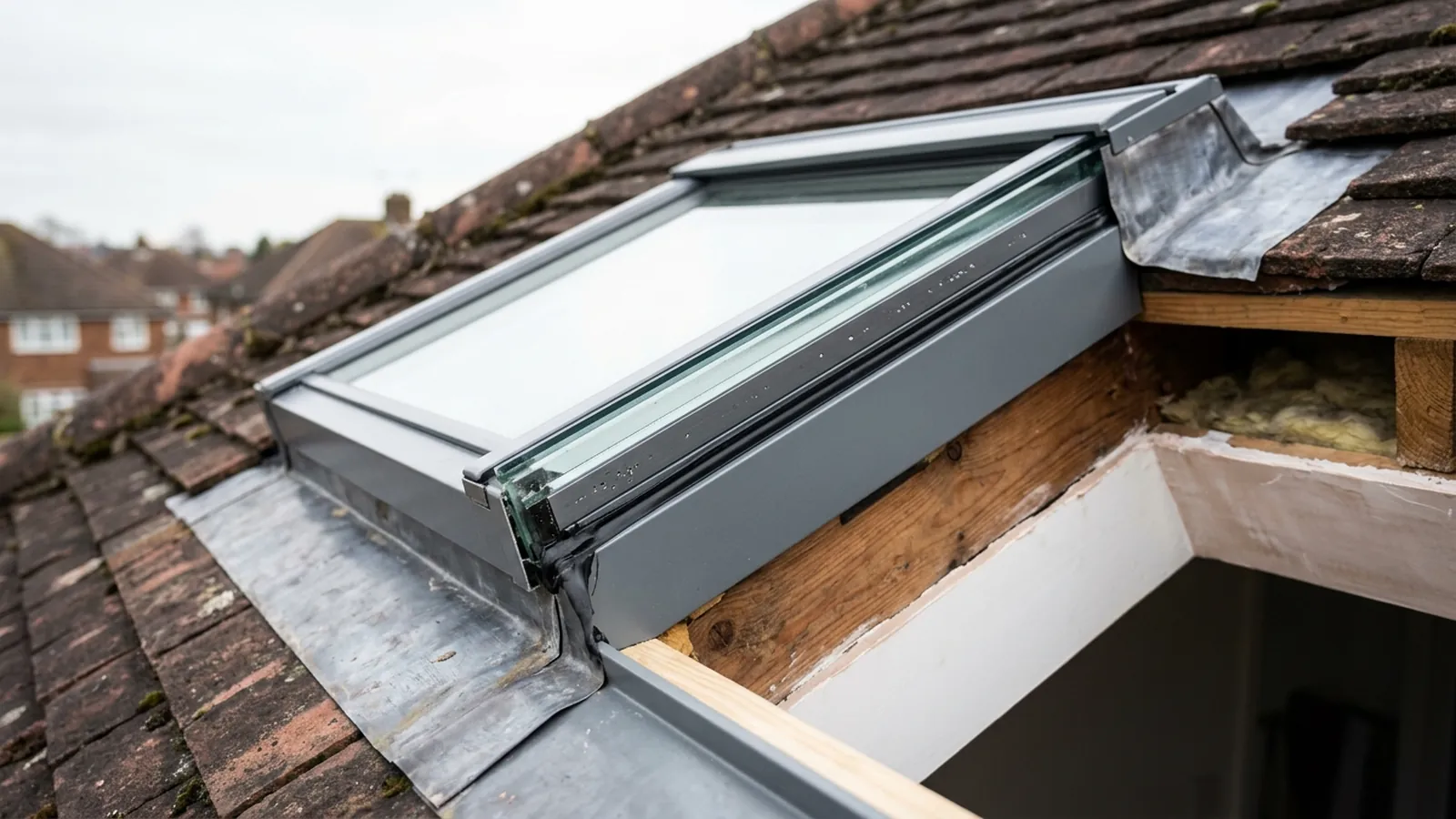
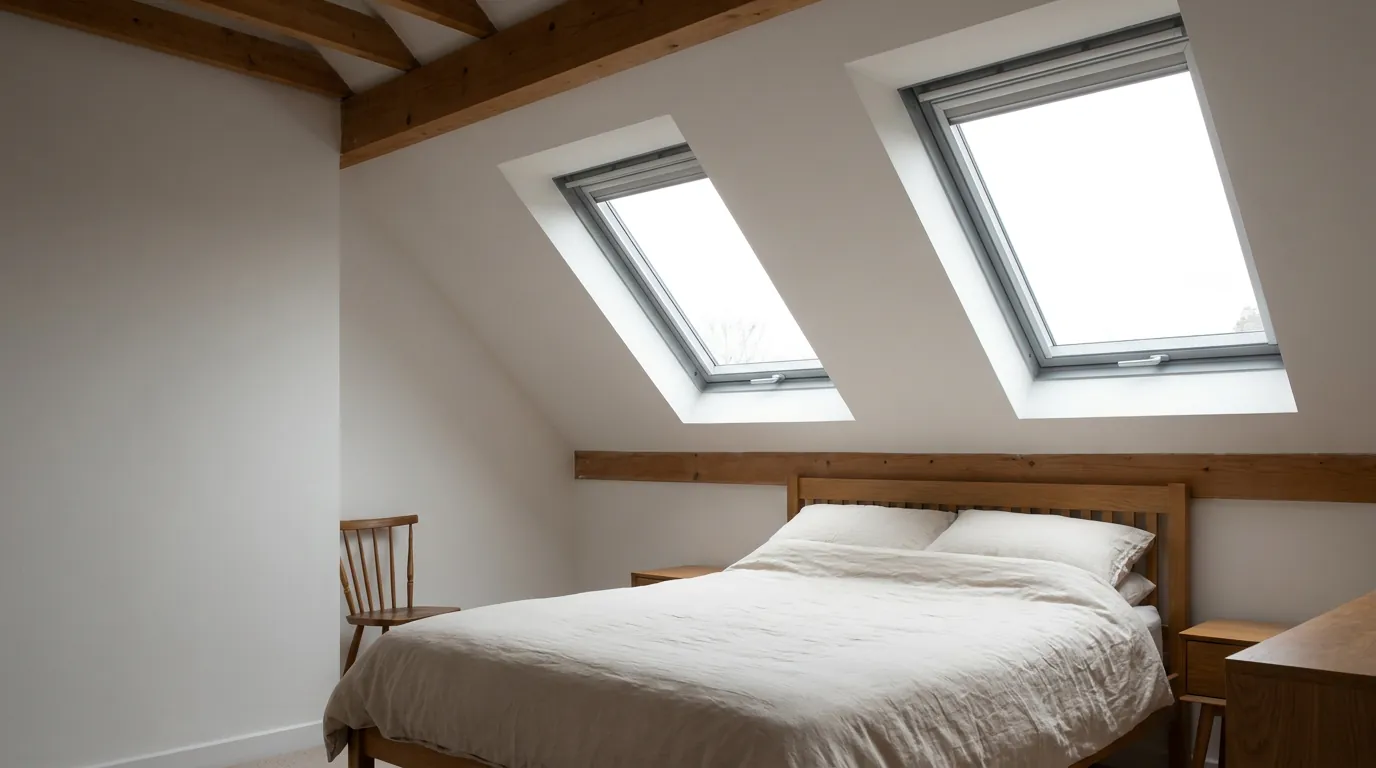
A third sheet of glass is heavy. On a centre pivot roof window the sash is balanced on its pivots and held open by a friction or spring mechanism, and the manufacturer sizes those parts for the glazing the sash carries. Triple glazed sashes come with hardware rated for them, so this is not a reason to avoid them, but it is a reason to buy the triple version as a complete window rather than trying to fit a heavier unit into a frame designed for two panes.
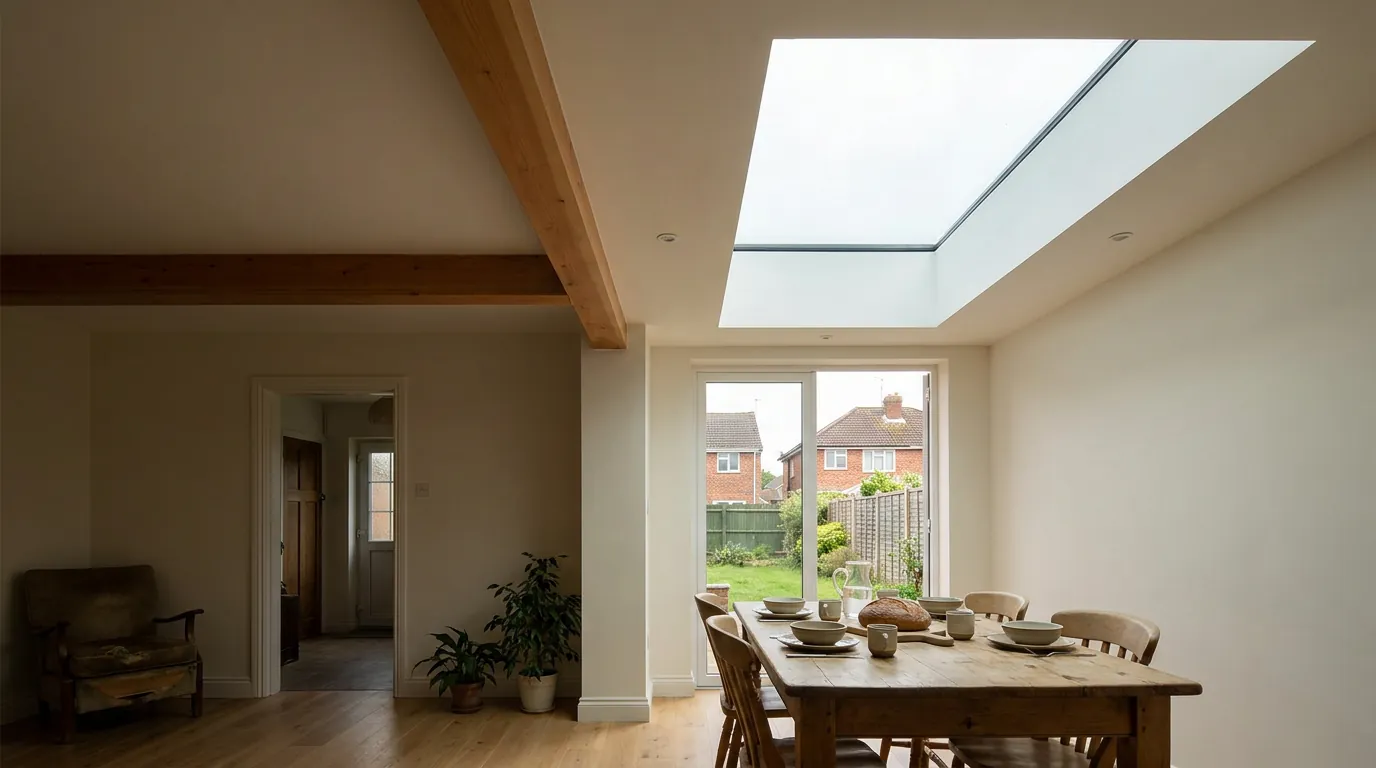
On a flat roof the unit sits on an upstand or kerb, and a triple glazed flat rooflight puts more load on that kerb and on the roof deck under it. On a sound modern deck this is well within what the structure takes. On an older flat roof over a 1970s or 1980s kitchen extension, the survey looks at the deck and joists before a heavy unit is specified.
The rule: the glazing and the frame are chosen together, as one product rated for its own weight. The exception is a fixed flat rooflight where the unit is supplied as a sealed pane on a separate kerb; there the kerb and deck have to be confirmed for the heavier glass before the order goes in.
For electric opening units the weight also affects the motor and chain actuator. Manufacturers pair the actuator to the sash, which is one more reason to specify the whole window at once.
Daylight and winter sun: what the extra pane takes away
Every sheet of glass and every coating reflects or absorbs a small part of the light that reaches it. Add a pane and a coating and the light that gets through falls a little. In a bright room with a generous rooflight you are unlikely to notice. Under a small skylight lighting a dark hallway, the loss is more worth weighing, and a larger opening or a double glazed unit may give the room more usable daylight.
Solar gain follows the same pattern. The g-value describes how much of the sun's heat passes through the glass, and triple units usually have a lower one. On a south facing slope that can be a mixed blessing: less free warmth on a clear winter afternoon, but less overheating on a hot July one. On a north facing slope there is little direct sun to lose, so the lower g-value costs almost nothing. The plain definition is in what is the g-value on rooflight glass?, and if summer heat is your main worry, solar control and low-e coatings may do more for the room than a third pane.
A third pane keeps the warmth in; it does not keep the summer out on its own.
Condensation and comfort at the glass
Condensation forms when warm, moist room air meets a surface colder than its dew point. The inner pane of a rooflight is often the coldest surface in a loft room on a winter morning, which is why beads of water appear there first, especially in bathrooms and bedrooms.
Because the inner pane of a triple unit stays warmer, it reaches the dew point less often. That is a comfort gain as well as a practical one: less cold radiating from the glass, less running water on the lining, less staining over time. It does not replace ventilation. A room that produces a lot of moisture still needs an extractor or a vent, and the edge of the glass, where the spacer sits, stays cooler than the middle whichever option you choose. The spacer choice is covered in warm edge spacers and why the glass edge matters.
Gas fill, coatings and unit build
Two double glazed units can differ a great deal. One with a low-e coating, a warm edge spacer and argon in the cavity will outperform a basic unit with air and an aluminium spacer, and the best double units come closer to a triple unit than many owners expect. So the comparison that matters is not two panes against three in the abstract; it is one specific product against another.
Some triple units use krypton in the narrower cavities, because it insulates well in a thinner gap. That keeps the overall unit thickness down, which matters in a rooflight frame. Argon and krypton filled rooflight glazing explains why the gas matters and what happens as it slowly escapes over the life of the unit.
Laminated glass, usually specified on the inner pane of a roof window for safety below, is a separate matter. It changes how the glass behaves if it breaks and can soften rain noise, but it adds little insulation of its own, as the answer to does laminated glass make a rooflight warmer? sets out.
Which rooms and roofs suit which
Put the factors together and a pattern appears. None of these is a rule, and the survey confirms each on the real roof, but they are a sensible starting point.
- Loft bedroom or office on a north or east slope. Triple glazing suits well: the room is used in cold hours, there is little sun to lose and the warmer inner pane helps comfort and condensation.
- Loft room on a south or west slope. Weigh it. Triple cuts heat loss and some summer heat, but also winter sun; solar control coatings and a blind may matter as much.
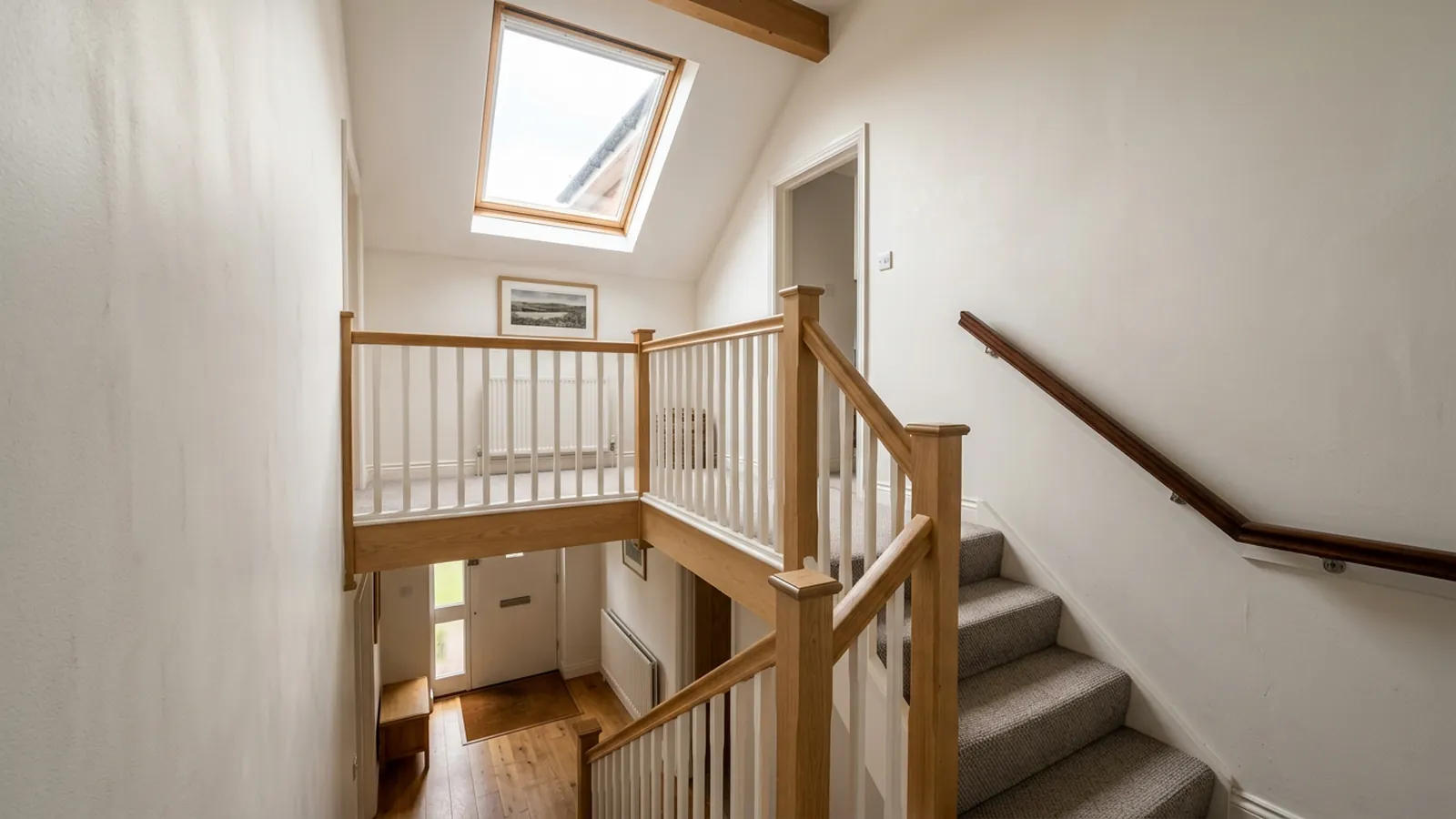
- Landing, stairwell or hallway. A well specified double unit is often enough, since the space is passed through rather than lived in, and daylight is the main aim.
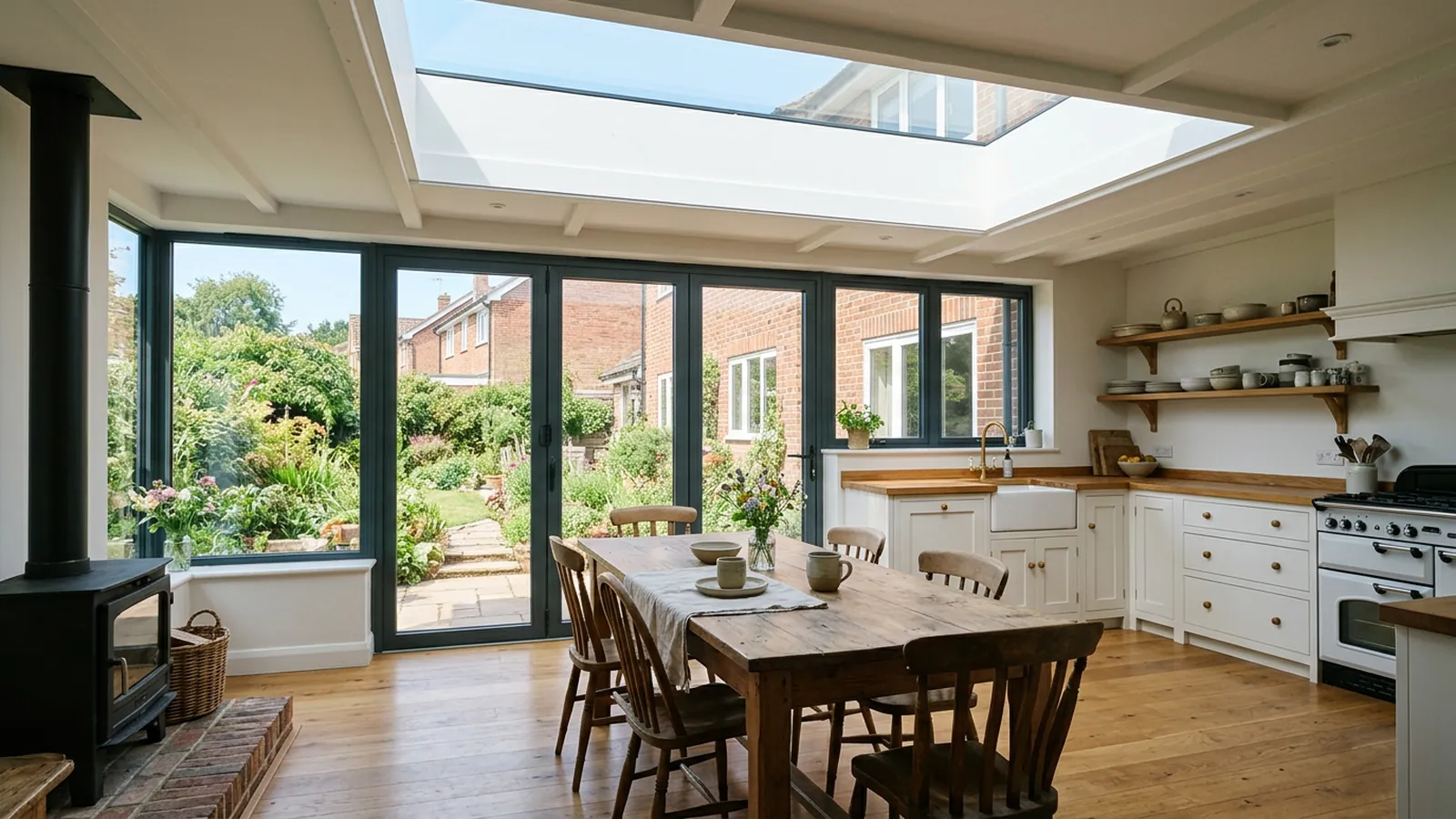
- Kitchen or living extension with a flat rooflight. Triple suits a large pane over a room heated for long hours, provided the kerb and deck are confirmed for the weight.
- Bathroom or shower room. The warmer inner pane helps against condensation, alongside proper extraction.
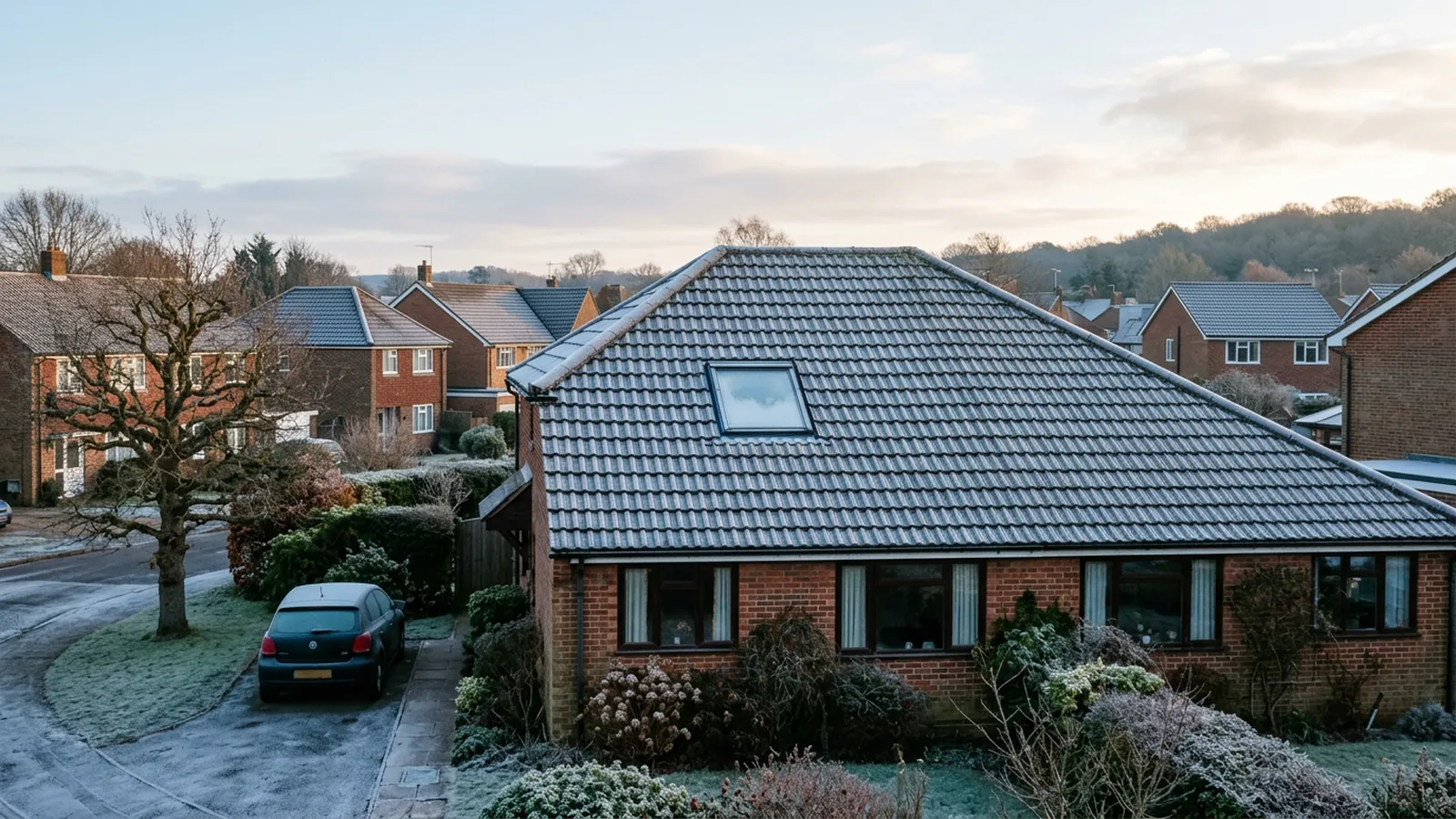
The house era plays its part too. On the trussed estate roofs of Popley, Brighton Hill and Chineham the roof window width is set by the truss spacing, and triple glazed versions come in the same narrow widths, so the glazing choice does not change what fits between the trusses. Only the sash weight and the price move.
Part L and replacing an older unit
Building Regulations Part L sets a limit on how much heat a new rooflight may lose, and current double glazed roof windows from the main makers are designed to meet it. Triple glazing is a choice to go further, not a requirement. When an old domed or early timber rooflight is replaced, the new unit is expected to meet the standard for replacement work, and in practice any current product does; the direct answer is in does a replacement rooflight have to meet Part L?
Where the work is notifiable, the Building Control notification is dealt with as part of our job, and the unit's performance data goes with it. Moving from a single glazed or plastic dome to either modern option is by far the larger step; the choice between double and triple is the finer adjustment after that.
Beyond triple: thinner options
For conservation rooflights, where a slim steel frame and a flush profile matter, a deep triple unit can be hard to fit without spoiling the look. Vacuum glazing, which gives very low heat loss in a thin unit, is one answer that manufacturers now offer in some slim frames. It is newer and priced accordingly; our guide to vacuum glazing in rooflights covers where it fits in.
For most estate homes the real choice stays between a good double unit and a triple one, and both are standard options in the ranges we fit.
Making the choice on your roof
The answer comes from the room, the slope's aspect and the roof. A loft room on the cold side of the house, used every evening, points towards triple. A bright landing or a south slope where daylight and winter sun matter points towards a well specified double unit with the right coating. A flat roof points towards checking the deck first.
We look at all three before any figure goes on paper. The survey notes the aspect, the room use, the roof structure and the frame options, and the written quote says which glazing we recommend and why, with the work covered by our 10-year workmanship guarantee. For the wider range of window and rooflight work across the town, our main page on rooflight installation in Basingstoke is the place to start, or you can go back to the energy efficient rooflight service for the rest of this topic. If you already know which room you are thinking about, arrange a survey and tell us how you use it.