Voice control is the last link in a short chain, and whether it works depends on the links before it rather than on the speaker. The windows themselves, and the choice between mains, solar and manual opening, are covered on our electric and opening rooflight installation page. This answer deals only with getting a spoken instruction from a kitchen worktop or a bedside table up to a sash in the roof.
The useful way to think about it: the speaker is a microphone attached to an app. Anything the app can do to the window, the speaker can usually ask for, and nothing more.
What has to be in place first
Three things decide whether a voice command reaches the glass. The rooflight needs an actuator and a control unit that accept remote commands. It needs a bridge that turns those commands into something your router understands. And the platform behind your speaker, whether that is Amazon Alexa, Google Home or Apple Home, has to recognise that bridge. Miss any one and the speaker has nothing to talk to.
| Rooflight you have | Voice control? | What it would take |
|---|---|---|
| Fixed, non-opening | Nothing to move | Only a motorised blind on the glass could be voice driven; the unit itself stays shut |
| Manual, opened by hand or pole | Not as it stands | A retrofit motor kit, where the maker offers one for that model, or a new opening unit |
| Electric with a keypad or remote only | Often, with an added gateway | A compatible hub from the same maker, paired to the existing control unit |
| Electric sold as a connected system | Yes, once linked | Linking the maker's app account to your speaker's platform |
If you are starting with a fixed unit, our answer on whether a fixed rooflight can be changed to an opening one is the step before any of this.
How rooflights and roof windows open
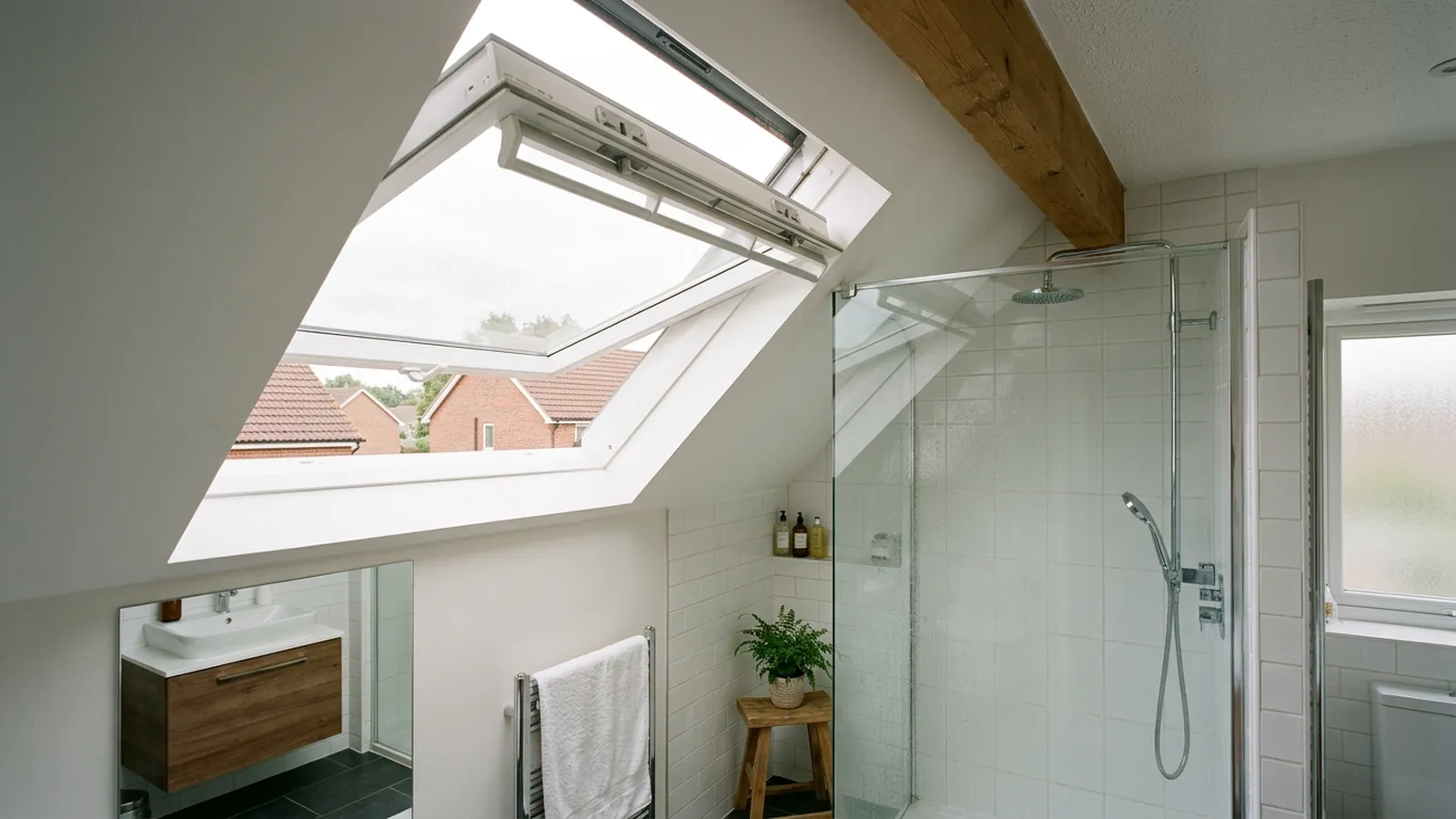
- Centre-pivot sash, turns so the lower edge tips out and the top swings in, handy for cleaning from inside
- Pivot point, the hinge line across the middle of the sash
- Top-hung sash, swings outward clear of the opening for a wider view
- Top hinge, where the sash is hung from the head of the frame
- Fixed rooflight, glazing sealed to the upstand with no moving parts
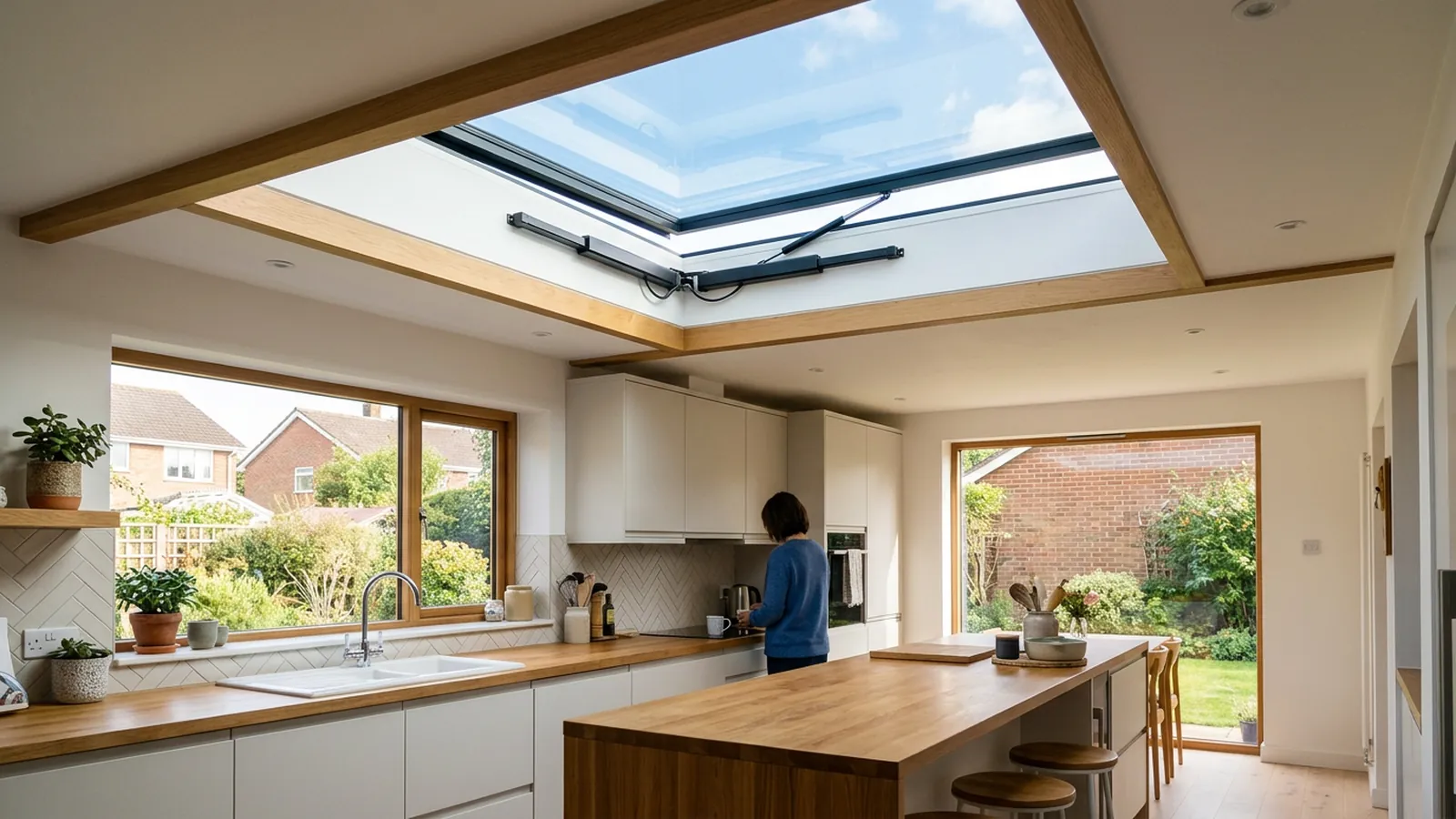
- Electric opening rooflight, the glazed lid lifts from one edge for ventilation
- Motorised chain actuator, pushes the lid open and draws it closed
- Rain sensor, closes the rooflight automatically when it starts to rain
Commands that are worth saying out loud
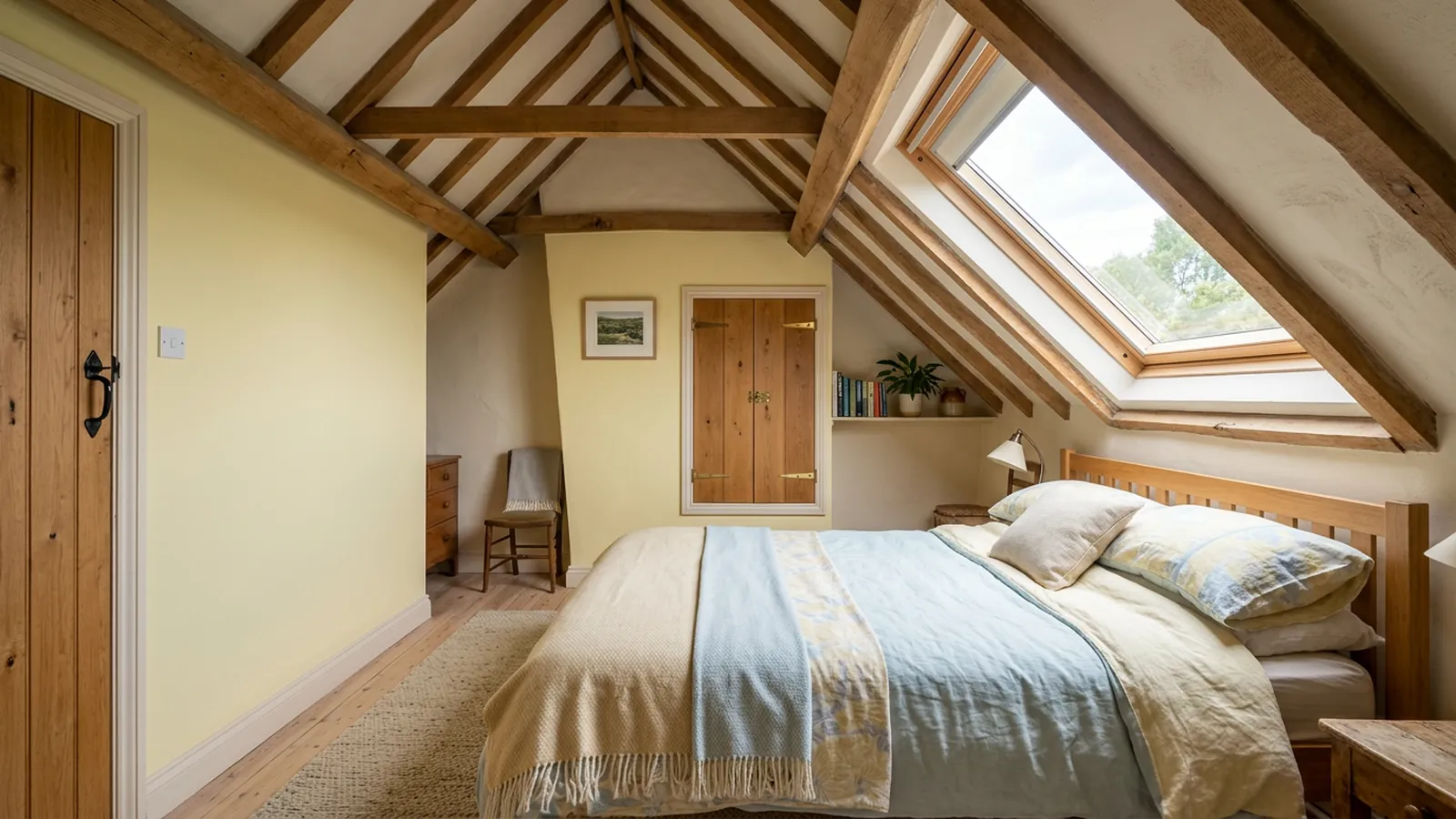
Once linked, most platforms let you name the window and give it simple verbs: open, close, stop, and sometimes a set position such as a quarter open. The spoken versions earn their place where your hands are full or the switch is in the wrong room. Shutting the landing skylight from the sofa when a shower passes. Opening the loft bedroom window a crack before going up to bed on a close summer night. Closing everything with one phrase as you leave the house.
Routines go further. A single "goodnight" can close the rooflight, lower its blind and turn off the lights together. Whether a platform will report the window's actual position back to you varies by maker, so it is worth checking before relying on the speaker to confirm the window is shut. How schedules, scenes and sensors fit around this is set out in our guide to app and smart home control of opening rooflights.
Keep the wall switch, whatever the speaker does
The rule: voice is an extra route to the window, never the only one. A local keypad or wired switch should work with the router unplugged, so the window can still be closed when the broadband drops or a platform changes its terms. The exception worth building in is the rain sensor, which closes the sash on its own without asking the speaker or the internet at all.
That sensor matters more than any voice command on a roof slope in a Hampshire summer, and it is explained fully in our guide to rain sensors and automatic closing. For what the window does when the electricity itself goes off, see what happens to an electric rooflight in a power cut.
Security, children and who can speak to it
A speaker obeys whoever is in the room, and anyone who can shout through a door. Most platforms treat windows and locks with some caution for that reason, and several ask for a spoken PIN or phone confirmation before an opening command runs. Turn that on where it is offered, particularly on a rooflight that could be reached from a flat roof or a neighbouring extension. In a child's loft bedroom, a platform setting that stops opening by voice while closing stays allowed is a sensible compromise. Our answer on whether electric rooflights are safe with children covers the anti-trap side of the motor itself.
Planning it at installation
Voice control is simplest to get right before the linings go back. The order that avoids second visits:
- Name your platform. Tell us which speaker ecosystem the house already runs, so the rooflight and gateway are chosen to suit it rather than the other way round.
- Check the maker's list. Confirm the exact window, hub and platform combination on the maker's current compatibility page, because support changes between software updates.
- Place the hub. The gateway needs power and a decent signal to both the router and the roof, which in a converted loft on a trussed estate house can mean a spot on the landing rather than by the router downstairs.
- Fit and test locally. The window is installed, wired or charged, and proven on its own keypad before any app is involved.
- Link and name. The app is paired to your speaker account and the window given a name nobody will confuse with a light.
Mains wiring for the motor is the part that may involve an electrician and a Part P question; the route for the cable and where the keypad sits are covered in wiring and controls for an electric rooflight. The fitting carries a 10-year workmanship guarantee (not insurance backed), and any Building Control notification the job calls for is dealt with by us as part of it.
So, is it worth it?
For a rooflight you can reach from the floor, a spoken command is a novelty. For one over a stairwell void, high in a vaulted kitchen or at the top of a loft room slope, it turns a window that rarely gets opened into one that gets used every warm day, which is the whole point of paying for an opening unit. If you already talk to a speaker for the lights and heating, adding the skylight to the same routines is a small step at installation.
To find out which opening units suit your roof and your platform, arrange a survey of the roof and bring the name of the speaker you use.